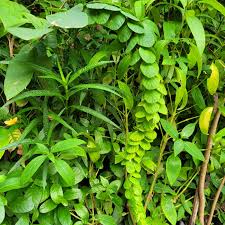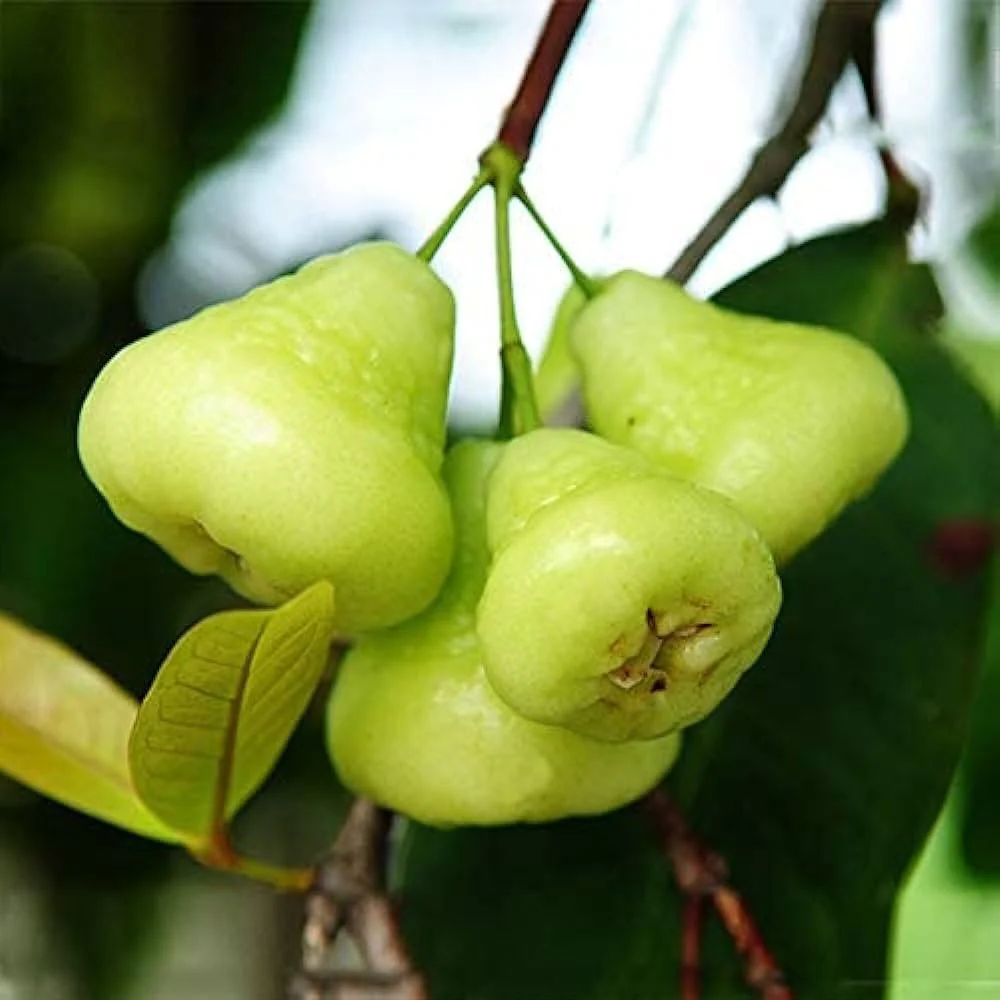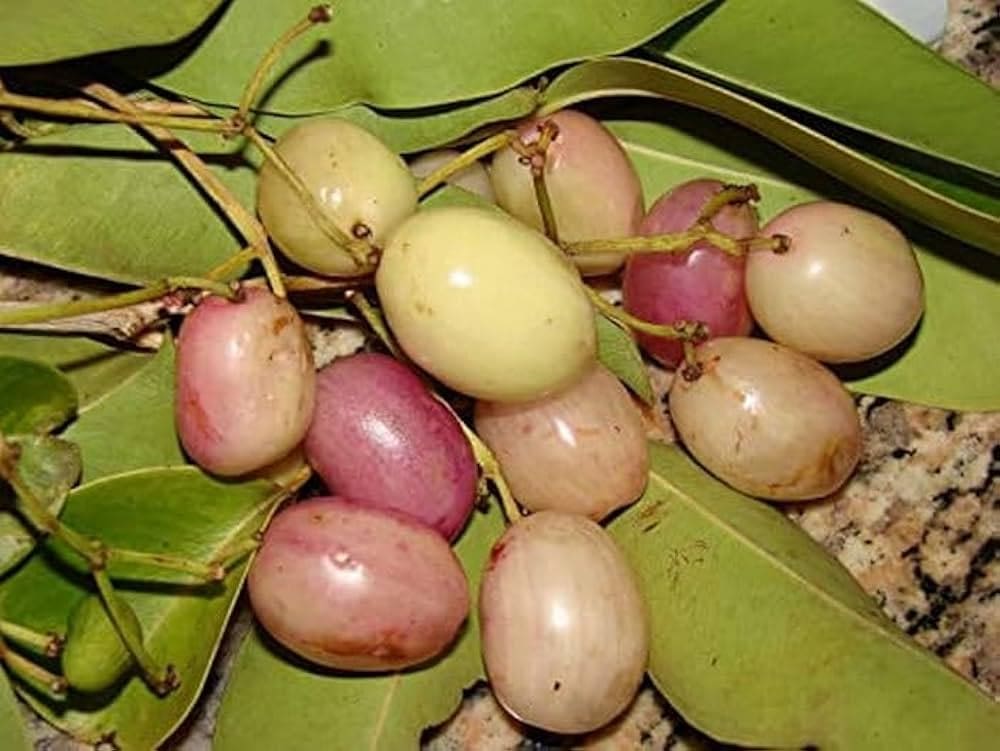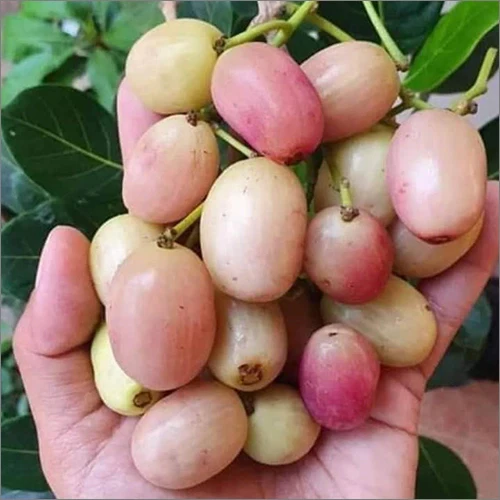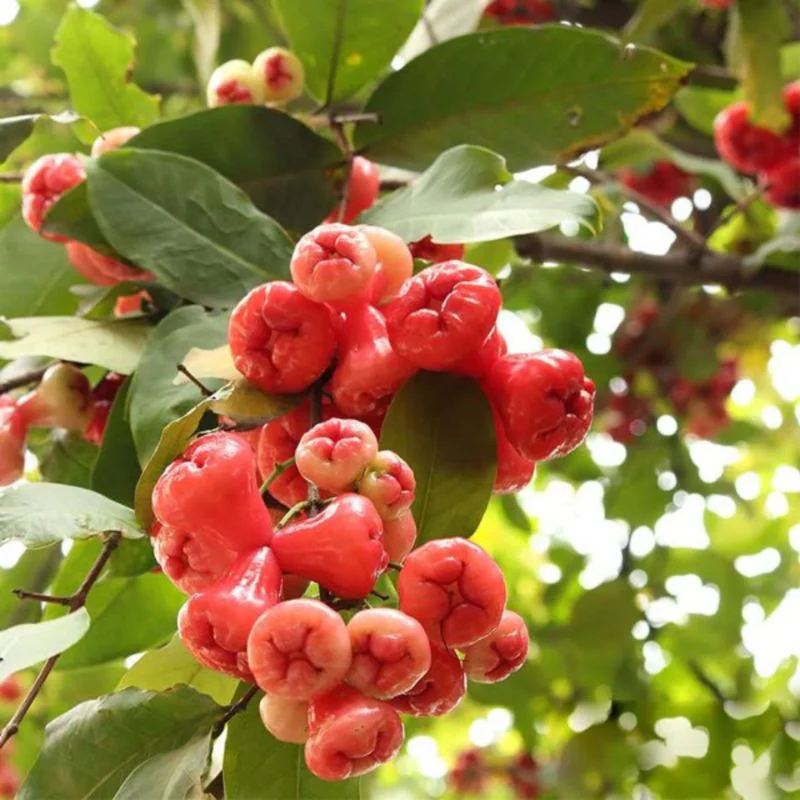
Vaaka / Karonda ( Seedling )
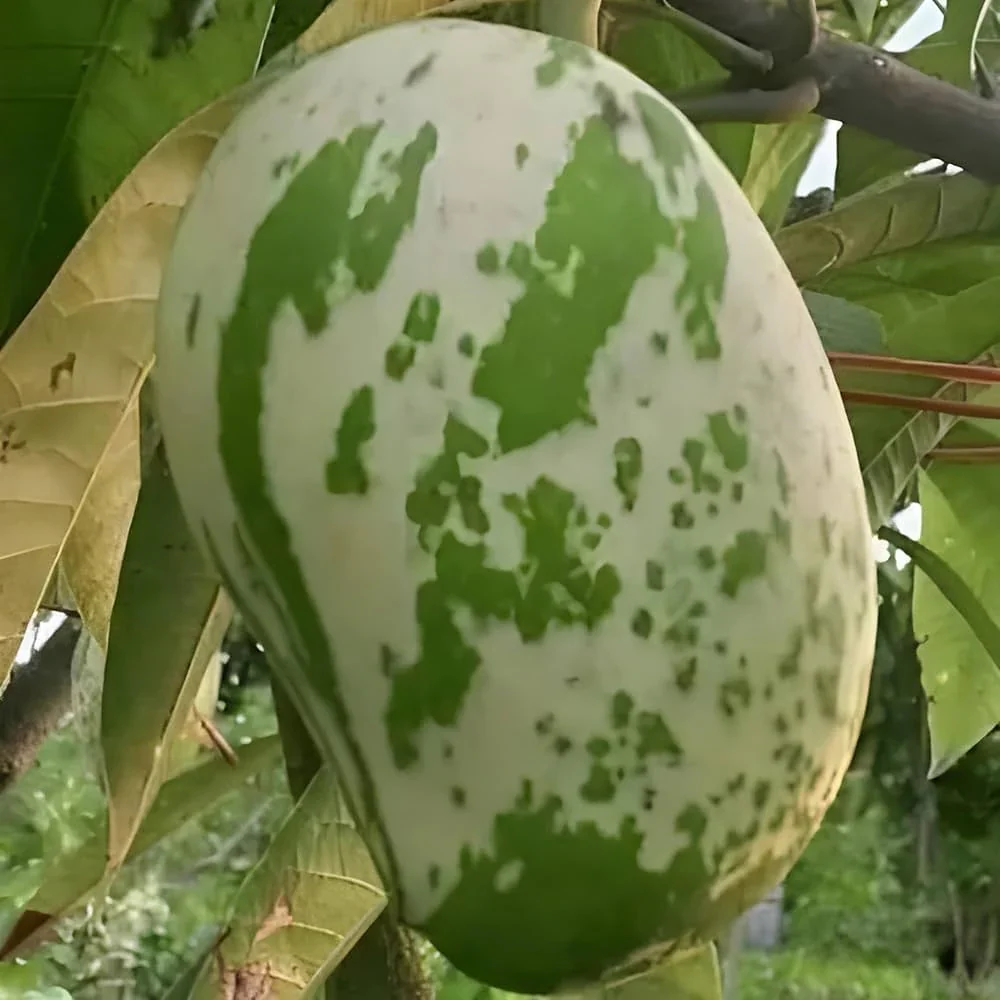
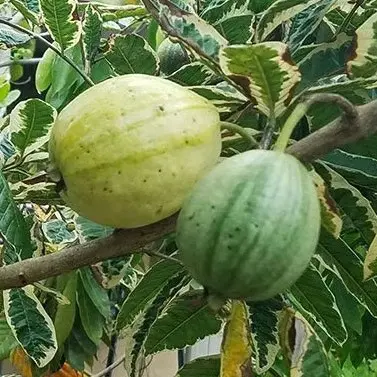
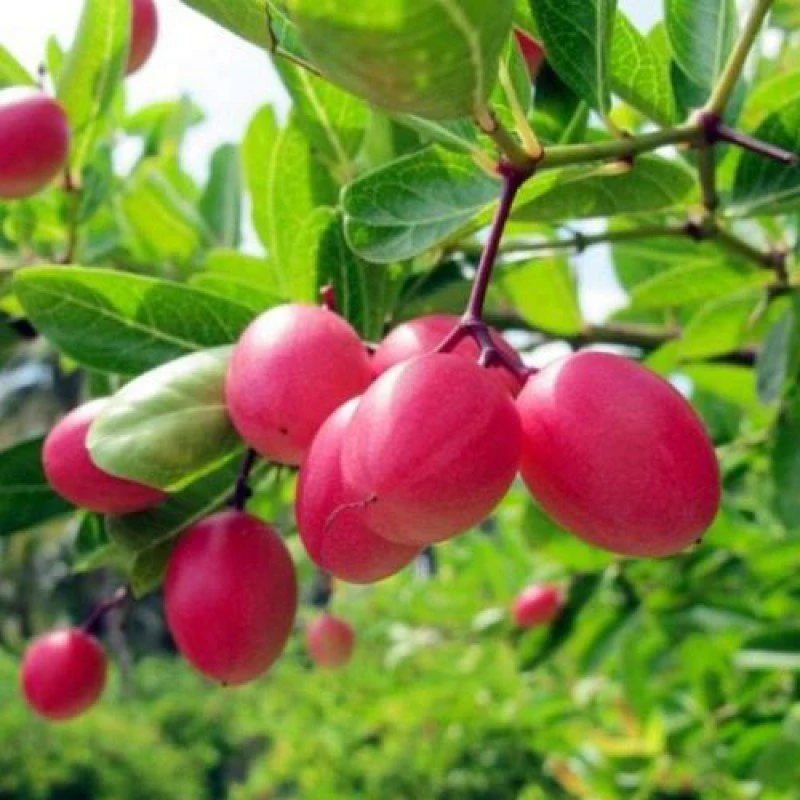
Experience the unique flavor and health benefits of Vaaka / Karonda with this easy-to-grow seedling. This versatile shrub produces tangy, berry-like fruits packed with antioxidants and vitamin C. Cultivate this native Indian plant in your garden for a rewarding and flavorful experience.
Key Features & Benefits
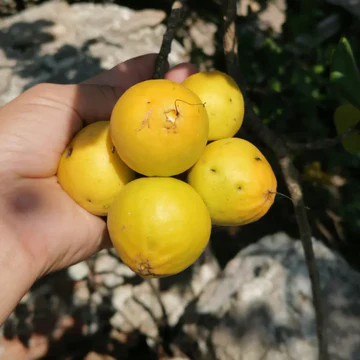
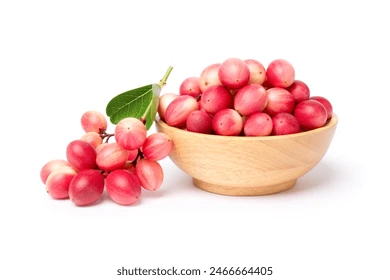
- Delicious Fruits: Enjoy the refreshing, tangy taste of Vaaka / Karonda fruits, perfect for jams, jellies, juices, and chutneys.
- Health Benefits: Rich in antioxidants, vitamins, and minerals, these fruits support overall well-being.
- Easy to Grow: Suitable for both beginners and experienced gardeners.
- Attractive Foliage: Adds vibrant greenery to your garden with its dense, lush foliage.
- Versatile Uses: Can be grown as a hedge, ornamental shrub, or fruit-bearing plant.
Plant Care Guide
Ideal Plantation Locations
- Climate: Thrives in warm, tropical, and subtropical climates. Tolerates some drought.
- Soil: Prefers well-drained, sandy-loam soil.
- Regions: Widely adaptable, suitable for cultivation in most parts of India.
Planting & Gardening Instructions
- Location: Choose a sunny location with at least 6 hours of direct sunlight per day.
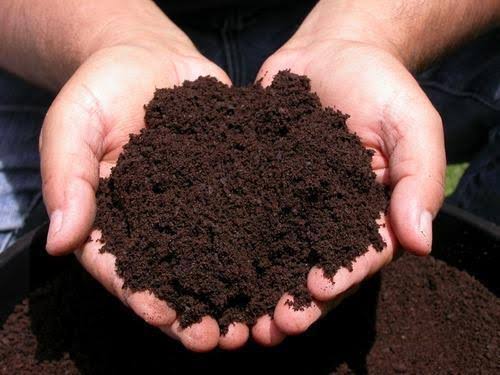
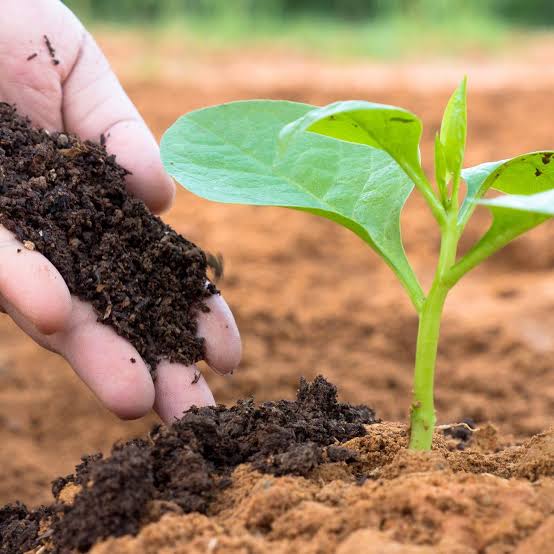
- Soil Preparation: Prepare the soil by digging and loosening it to a depth of 12-15 inches. Mix in well-rotted organic matter like compost or manure.
- Planting: Plant the seedling at the same depth as it was growing in the nursery pot. Gently firm the soil around the base.
- Spacing: Maintain a spacing of 6-8 feet between plants for proper growth and fruit production.
Watering
- Water the seedling regularly, especially during the initial growth stages.
- Reduce watering frequency as the plant matures.
- Allow the soil to dry slightly between waterings.
Fertilizers
- Apply a balanced NPK fertilizer (10-10-10) every 2-3 months during the growing season.
- Use organic fertilizers like compost tea or bone meal for enhanced fruit production.
Repotting Instructions
- Re-pot young seedlings annually into slightly larger containers.
- Use well-draining potting mix.
- Repotting is generally not required for mature plants grown in the ground.
Fruiting Season
- Typically fruits during the summer months (May-July).
- Peak fruiting season may vary depending on the region and climate.
Usage Ideas
- Gardening: Cultivate as a fruit-bearing shrub, hedge plant, or ornamental.
- Culinary: Use fruits for making jams, jellies, juices, chutneys, and pickles.
- Medicinal: Utilize the fruits and leaves for their traditional medicinal properties.
Care Tips
- Pest Control: Monitor for pests like aphids and scale insects. Use organic pest control methods like neem oil or insecticidal soap.
- Pruning: Prune lightly after the fruiting season to maintain shape and encourage new growth.
- Mulching: Apply a layer of organic mulch around the base of the plant to conserve moisture and suppress weeds.
$0.69
Original: $1.98
-65%Vaaka / Karonda ( Seedling )—
$1.98
$0.69Product Information
Product Information
Shipping & Returns
Shipping & Returns
Description
Experience the unique flavor and health benefits of Vaaka / Karonda with this easy-to-grow seedling. This versatile shrub produces tangy, berry-like fruits packed with antioxidants and vitamin C. Cultivate this native Indian plant in your garden for a rewarding and flavorful experience.
Key Features & Benefits
- Delicious Fruits: Enjoy the refreshing, tangy taste of Vaaka / Karonda fruits, perfect for jams, jellies, juices, and chutneys.
- Health Benefits: Rich in antioxidants, vitamins, and minerals, these fruits support overall well-being.
- Easy to Grow: Suitable for both beginners and experienced gardeners.
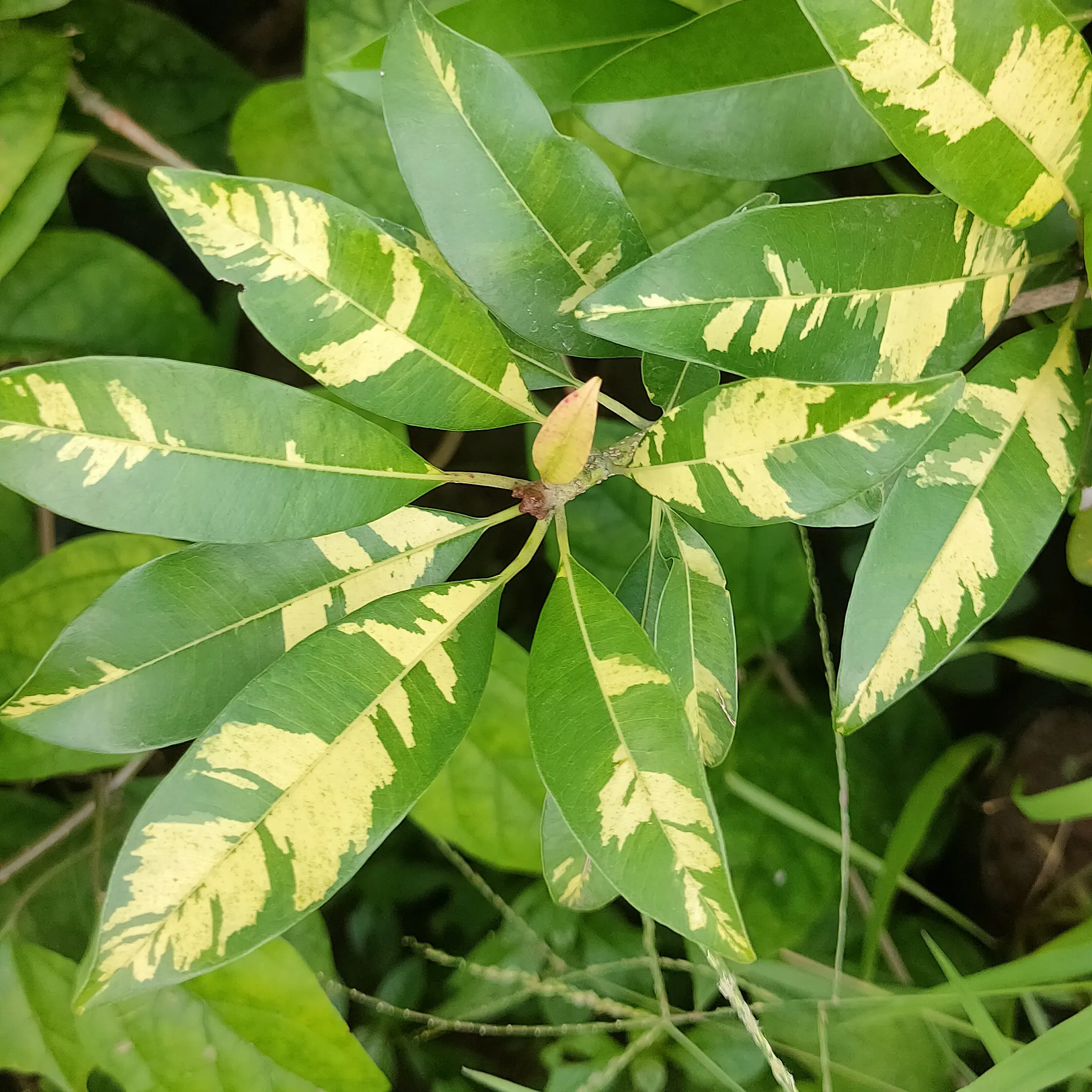
- Attractive Foliage: Adds vibrant greenery to your garden with its dense, lush foliage.
- Versatile Uses: Can be grown as a hedge, ornamental shrub, or fruit-bearing plant.
Plant Care Guide
Ideal Plantation Locations
- Climate: Thrives in warm, tropical, and subtropical climates. Tolerates some drought.
- Soil: Prefers well-drained, sandy-loam soil.
- Regions: Widely adaptable, suitable for cultivation in most parts of India.
Planting & Gardening Instructions
- Location: Choose a sunny location with at least 6 hours of direct sunlight per day.
- Soil Preparation: Prepare the soil by digging and loosening it to a depth of 12-15 inches. Mix in well-rotted organic matter like compost or manure.
- Planting: Plant the seedling at the same depth as it was growing in the nursery pot. Gently firm the soil around the base.
- Spacing: Maintain a spacing of 6-8 feet between plants for proper growth and fruit production.
Watering
- Water the seedling regularly, especially during the initial growth stages.
- Reduce watering frequency as the plant matures.
- Allow the soil to dry slightly between waterings.
Fertilizers
- Apply a balanced NPK fertilizer (10-10-10) every 2-3 months during the growing season.
- Use organic fertilizers like compost tea or bone meal for enhanced fruit production.
Repotting Instructions
- Re-pot young seedlings annually into slightly larger containers.
- Use well-draining potting mix.
- Repotting is generally not required for mature plants grown in the ground.
Fruiting Season
- Typically fruits during the summer months (May-July).
- Peak fruiting season may vary depending on the region and climate.
Usage Ideas
- Gardening: Cultivate as a fruit-bearing shrub, hedge plant, or ornamental.
- Culinary: Use fruits for making jams, jellies, juices, chutneys, and pickles.
- Medicinal: Utilize the fruits and leaves for their traditional medicinal properties.
Care Tips
- Pest Control: Monitor for pests like aphids and scale insects. Use organic pest control methods like neem oil or insecticidal soap.
- Pruning: Prune lightly after the fruiting season to maintain shape and encourage new growth.
- Mulching: Apply a layer of organic mulch around the base of the plant to conserve moisture and suppress weeds.