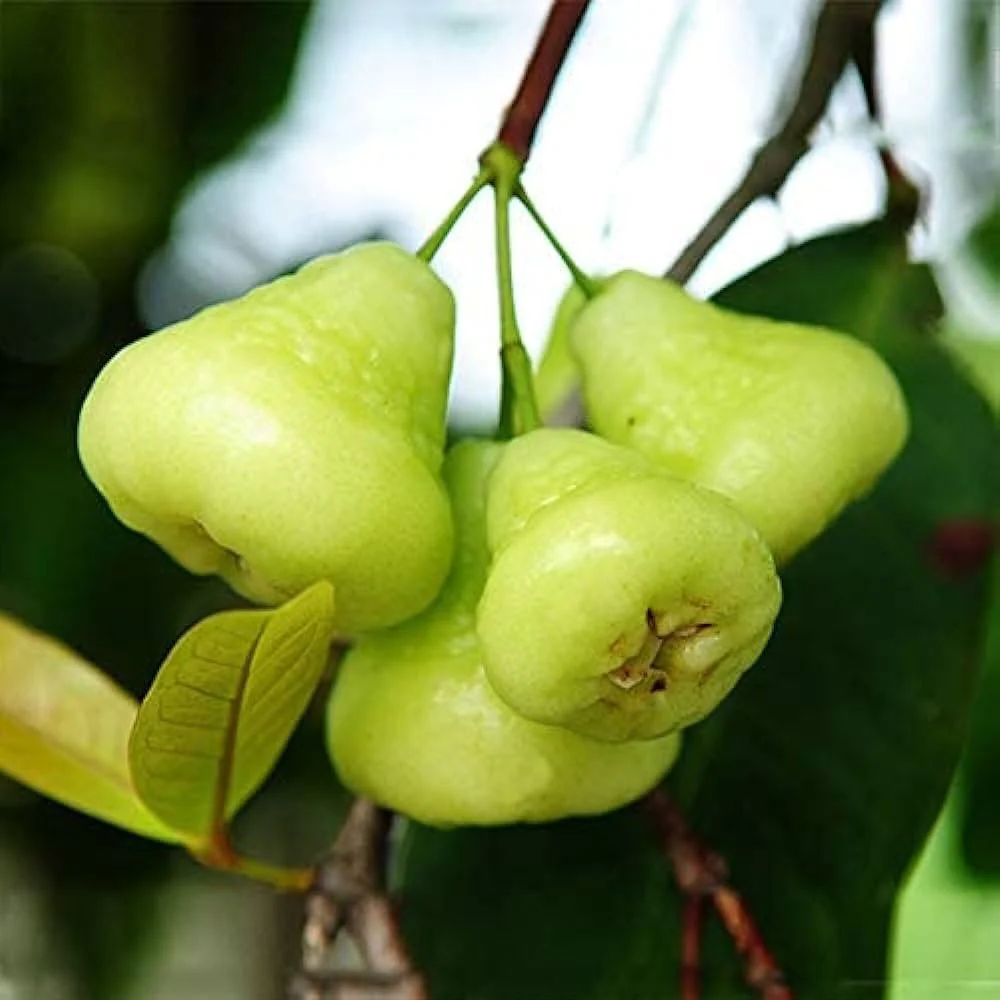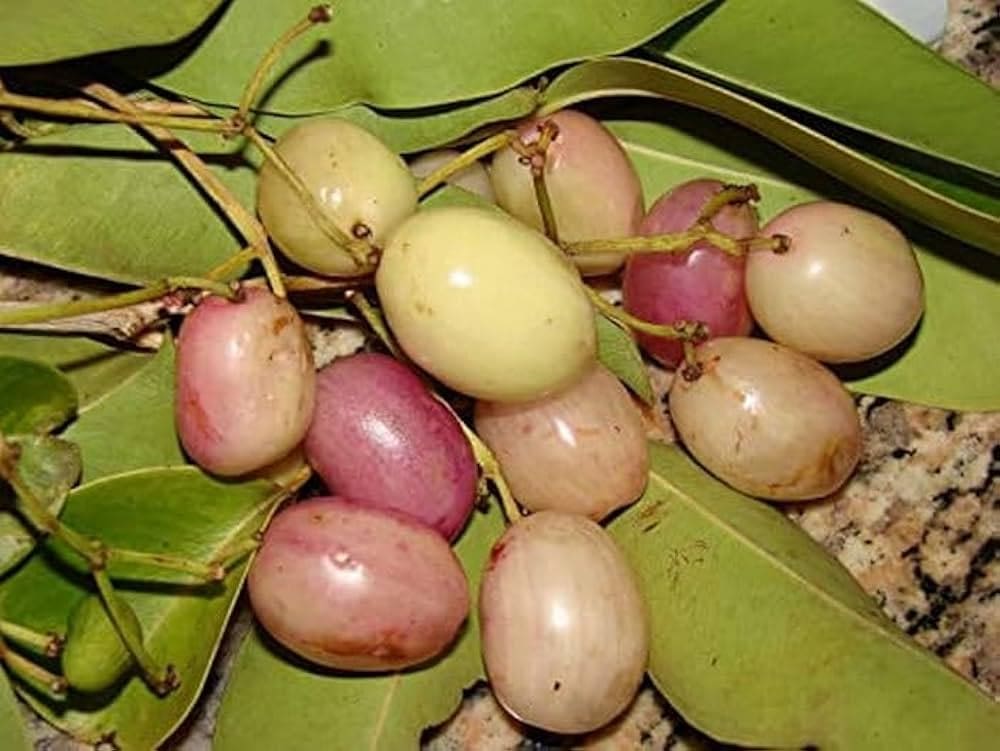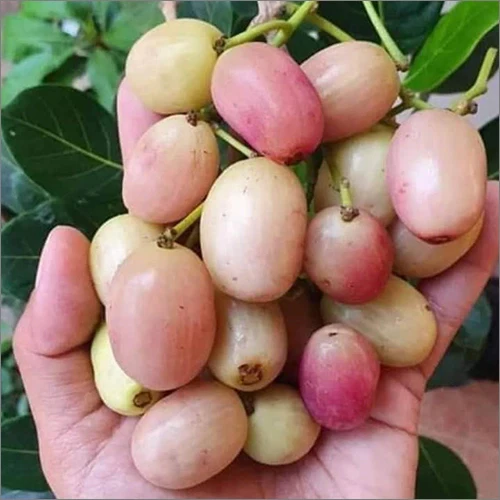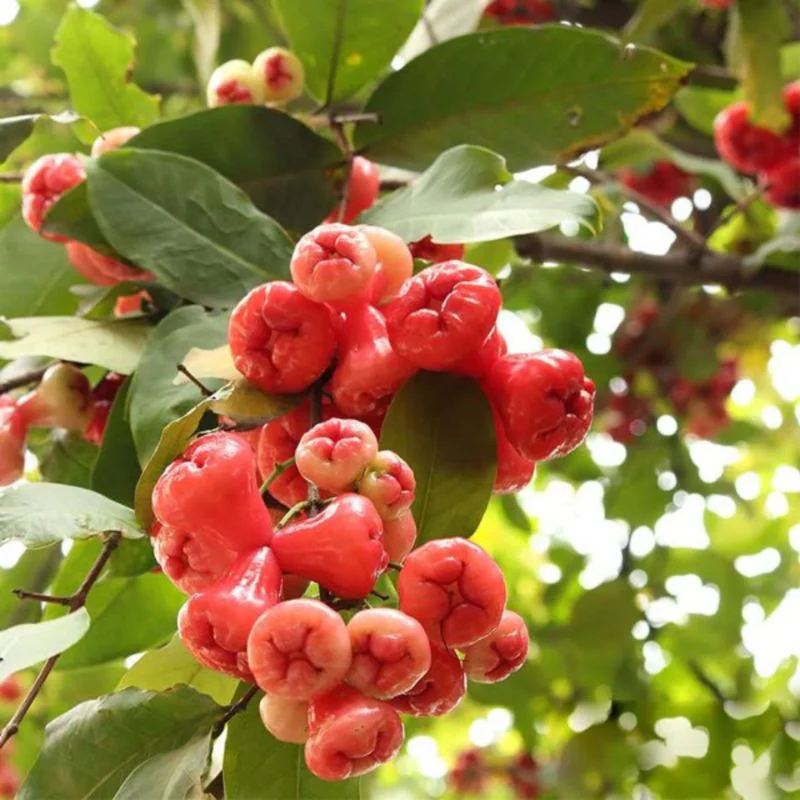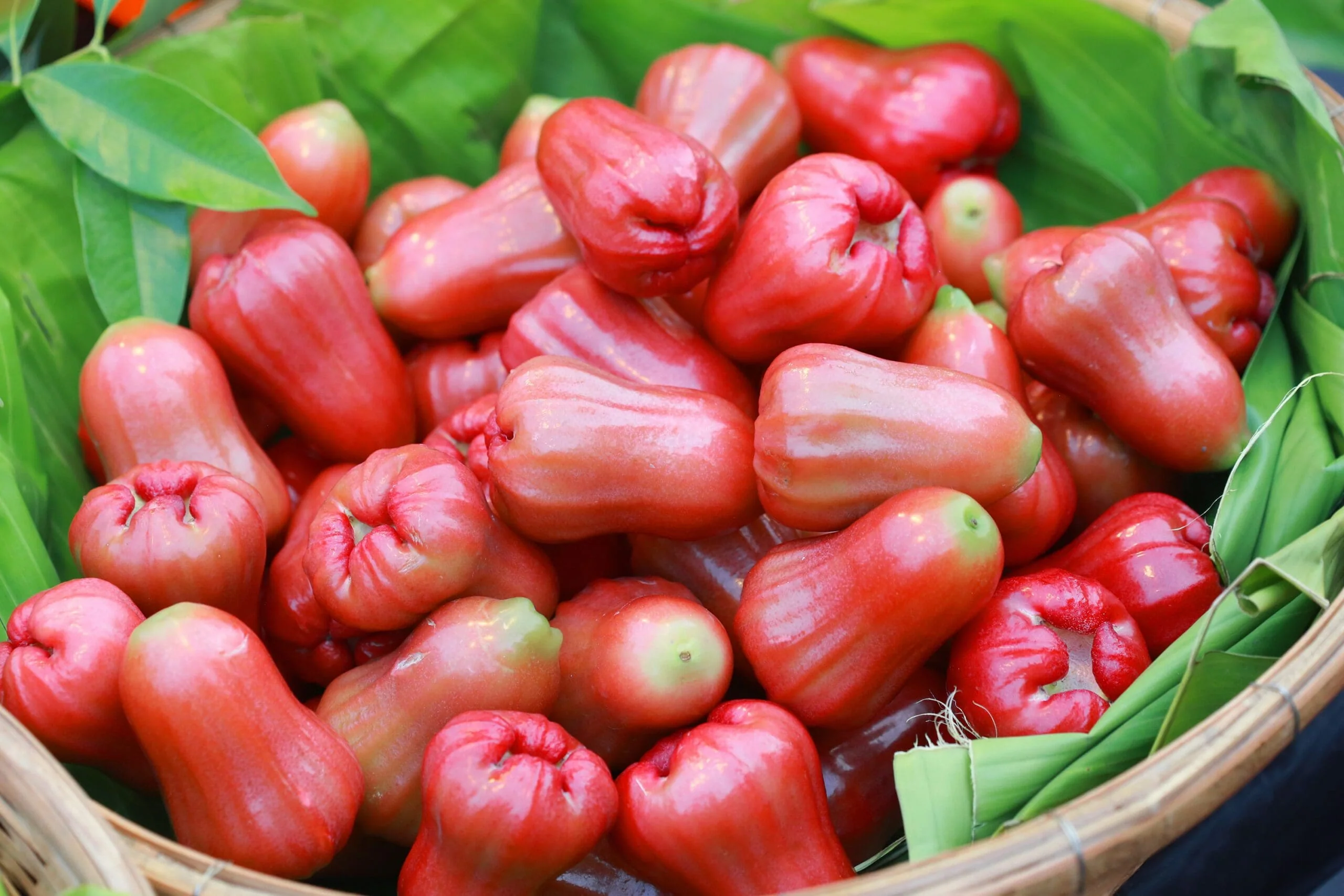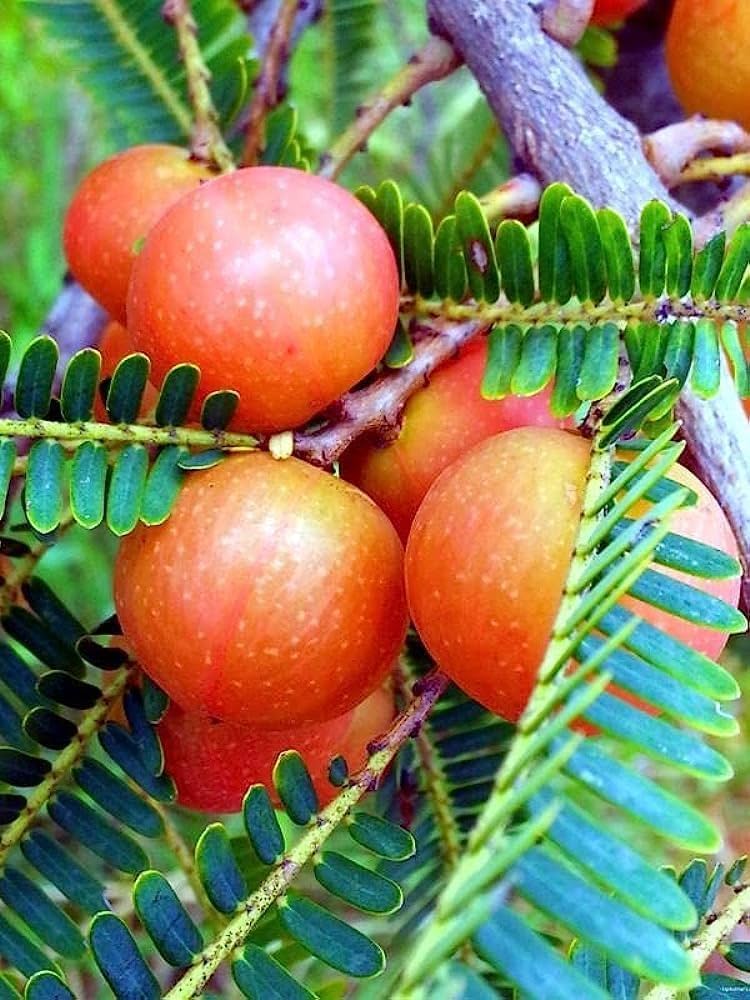
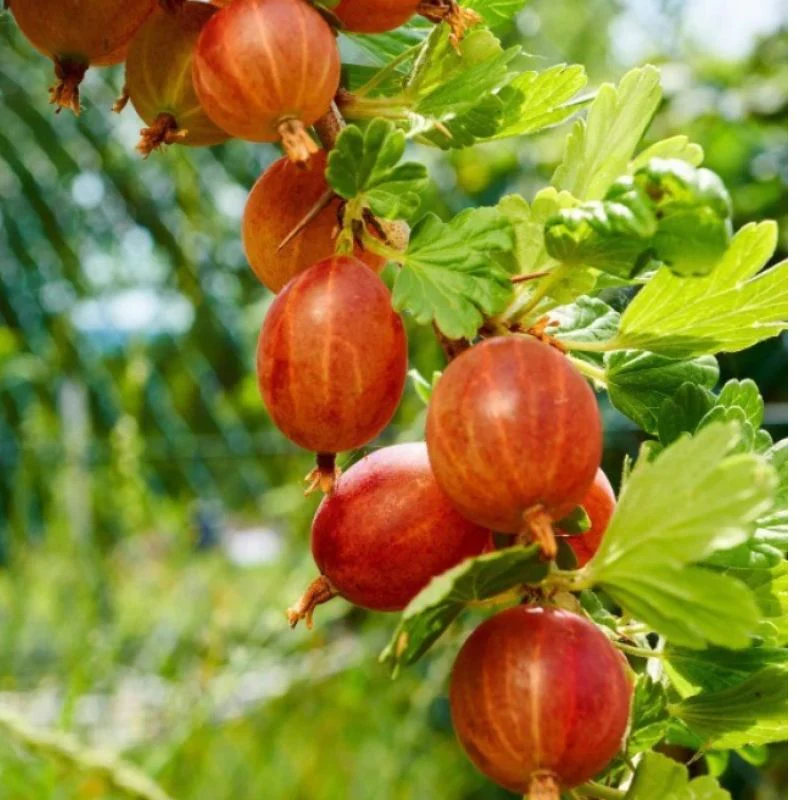
Red Amla ( Grafted )
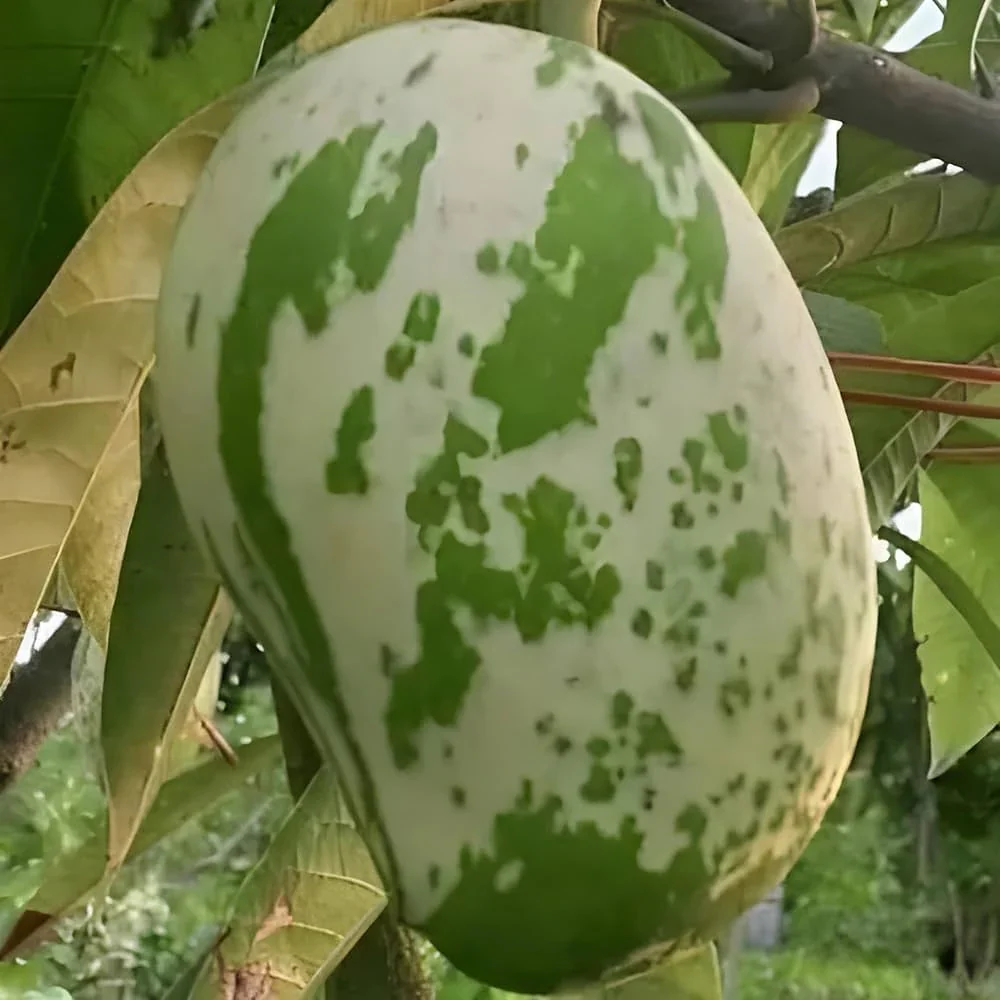
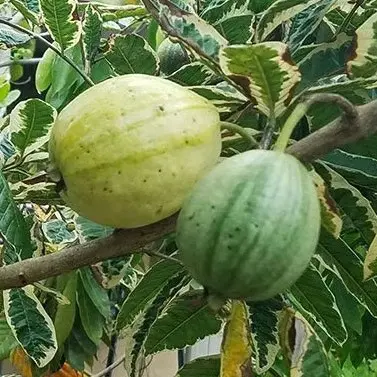
Elevate your garden with the vibrant and nutritious Red Amla (Graft) plant. This grafted variety offers a bountiful harvest of rich, red amlas, renowned for their exceptional health benefits.
Key Features & Benefits
- Enhanced Fruiting: Grafting technology ensures earlier and more abundant fruit production.
- Nutrient-Rich Fruits: Red amlas are packed with antioxidants, vitamins, and minerals.
- Versatile Uses: Enjoy the fruits fresh, juiced, or in various culinary preparations.
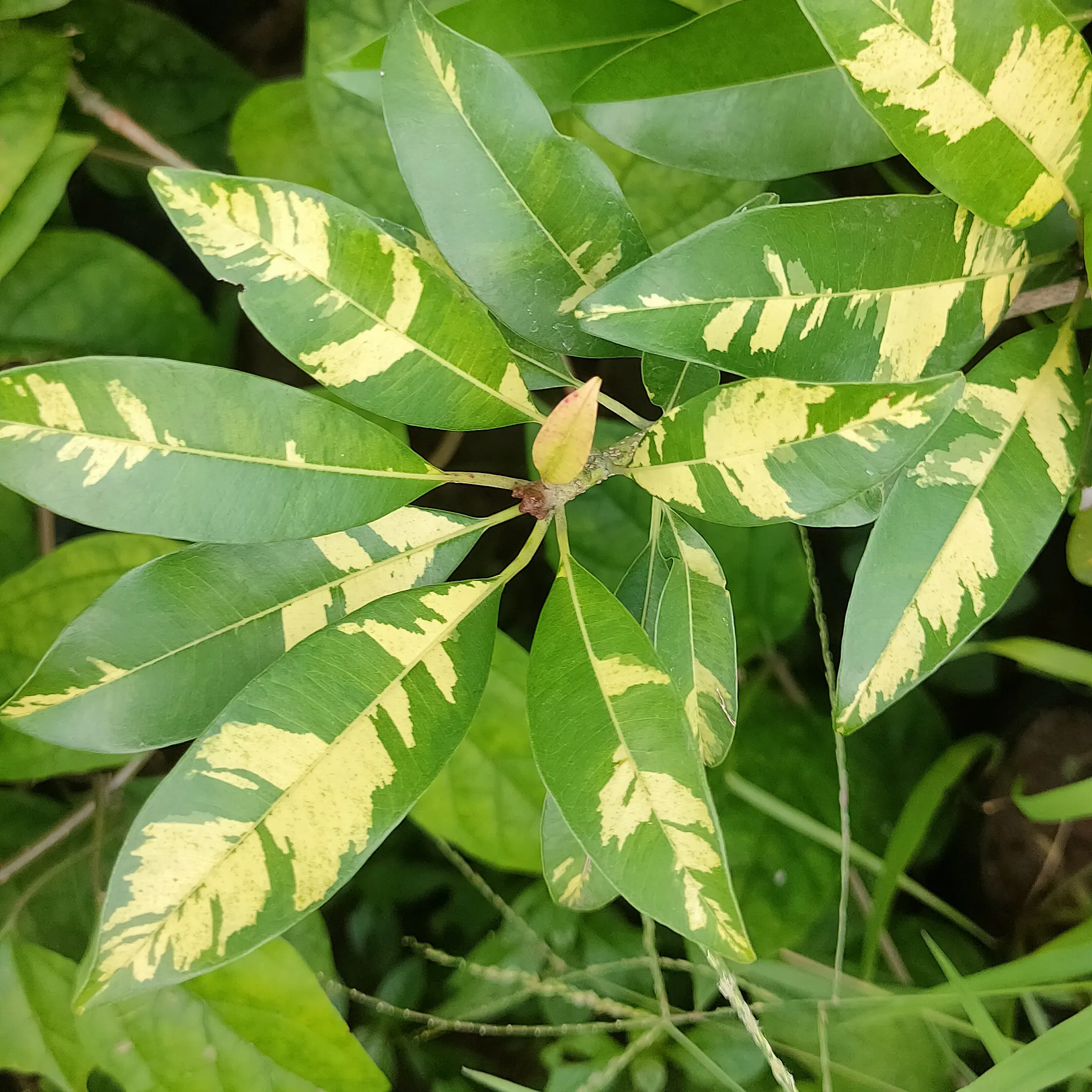
- Ornamental Appeal: The plant's lush foliage and vibrant fruits make it a beautiful addition to any garden.
- Easy to Care For: With minimal maintenance, you can reap the rewards of this hardy plant.
Plant Care Guide
Ideal Plantation Locations
Red Amla thrives in warm, tropical climates with well-drained soil. It prefers full sunlight but can tolerate partial shade.
Planting & Gardening Instructions
- Location: Choose a sunny spot in your garden, protected from strong winds.
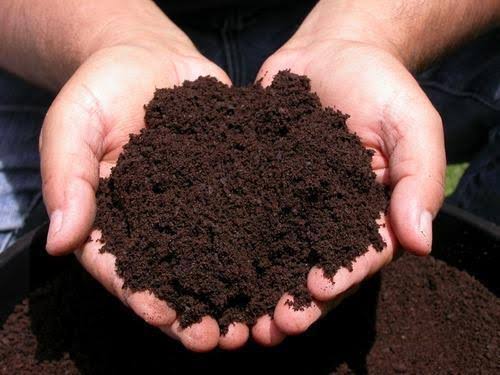
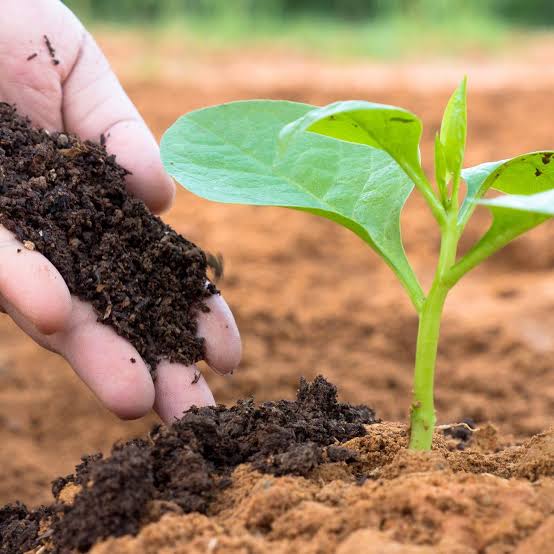
- Soil Preparation: Prepare well-draining soil by mixing it with organic compost.
- Planting: Dig a hole twice the size of the root ball and plant the grafted amla at the same depth as it was in the pot.
- Spacing: Plant multiple amla trees at a distance of 6-8 feet apart.
Watering
Water the plant regularly, especially during dry periods. However, avoid overwatering, as it can lead to root rot.
Fertilizers
Apply a balanced, slow-release fertilizer once every 2-3 months during the growing season.
Repotting Instructions
Re-pot your amla plant every 2-3 years or when the roots become pot-bound. Use a larger pot and fresh, well-draining potting mix.
Fruiting Season
The Red Amla typically starts fruiting within 1-2 years after planting. The peak fruiting season is usually during the summer months.
Usage Ideas
- Fresh Consumption: Enjoy the tangy and sweet taste of fresh red amlas.
- Juices: Make refreshing and nutritious amla juice.
- Culinary Uses: Incorporate red amlas into jams, jellies, pickles, and chutneys.
- Medicinal Purposes: Utilize the plant's medicinal properties to boost immunity and overall health.
Care Tips
- Pruning: Prune the plant regularly to maintain its shape and encourage new growth.
- Pest Control: Monitor for pests like aphids and mealybugs. Treat infestations promptly with organic insecticides.
- Mulching: Apply a layer of organic mulch around the base of the plant to retain moisture and suppress weeds.
Original: $3.66
-65%$3.66
$1.28Product Information
Product Information
Shipping & Returns
Shipping & Returns
Description
Elevate your garden with the vibrant and nutritious Red Amla (Graft) plant. This grafted variety offers a bountiful harvest of rich, red amlas, renowned for their exceptional health benefits.
Key Features & Benefits
- Enhanced Fruiting: Grafting technology ensures earlier and more abundant fruit production.
- Nutrient-Rich Fruits: Red amlas are packed with antioxidants, vitamins, and minerals.
- Versatile Uses: Enjoy the fruits fresh, juiced, or in various culinary preparations.
- Ornamental Appeal: The plant's lush foliage and vibrant fruits make it a beautiful addition to any garden.
- Easy to Care For: With minimal maintenance, you can reap the rewards of this hardy plant.
Plant Care Guide
Ideal Plantation Locations
Red Amla thrives in warm, tropical climates with well-drained soil. It prefers full sunlight but can tolerate partial shade.
Planting & Gardening Instructions
- Location: Choose a sunny spot in your garden, protected from strong winds.
- Soil Preparation: Prepare well-draining soil by mixing it with organic compost.
- Planting: Dig a hole twice the size of the root ball and plant the grafted amla at the same depth as it was in the pot.
- Spacing: Plant multiple amla trees at a distance of 6-8 feet apart.
Watering
Water the plant regularly, especially during dry periods. However, avoid overwatering, as it can lead to root rot.
Fertilizers
Apply a balanced, slow-release fertilizer once every 2-3 months during the growing season.
Repotting Instructions
Re-pot your amla plant every 2-3 years or when the roots become pot-bound. Use a larger pot and fresh, well-draining potting mix.
Fruiting Season
The Red Amla typically starts fruiting within 1-2 years after planting. The peak fruiting season is usually during the summer months.
Usage Ideas
- Fresh Consumption: Enjoy the tangy and sweet taste of fresh red amlas.
- Juices: Make refreshing and nutritious amla juice.
- Culinary Uses: Incorporate red amlas into jams, jellies, pickles, and chutneys.
- Medicinal Purposes: Utilize the plant's medicinal properties to boost immunity and overall health.
Care Tips
- Pruning: Prune the plant regularly to maintain its shape and encourage new growth.
- Pest Control: Monitor for pests like aphids and mealybugs. Treat infestations promptly with organic insecticides.
- Mulching: Apply a layer of organic mulch around the base of the plant to retain moisture and suppress weeds.