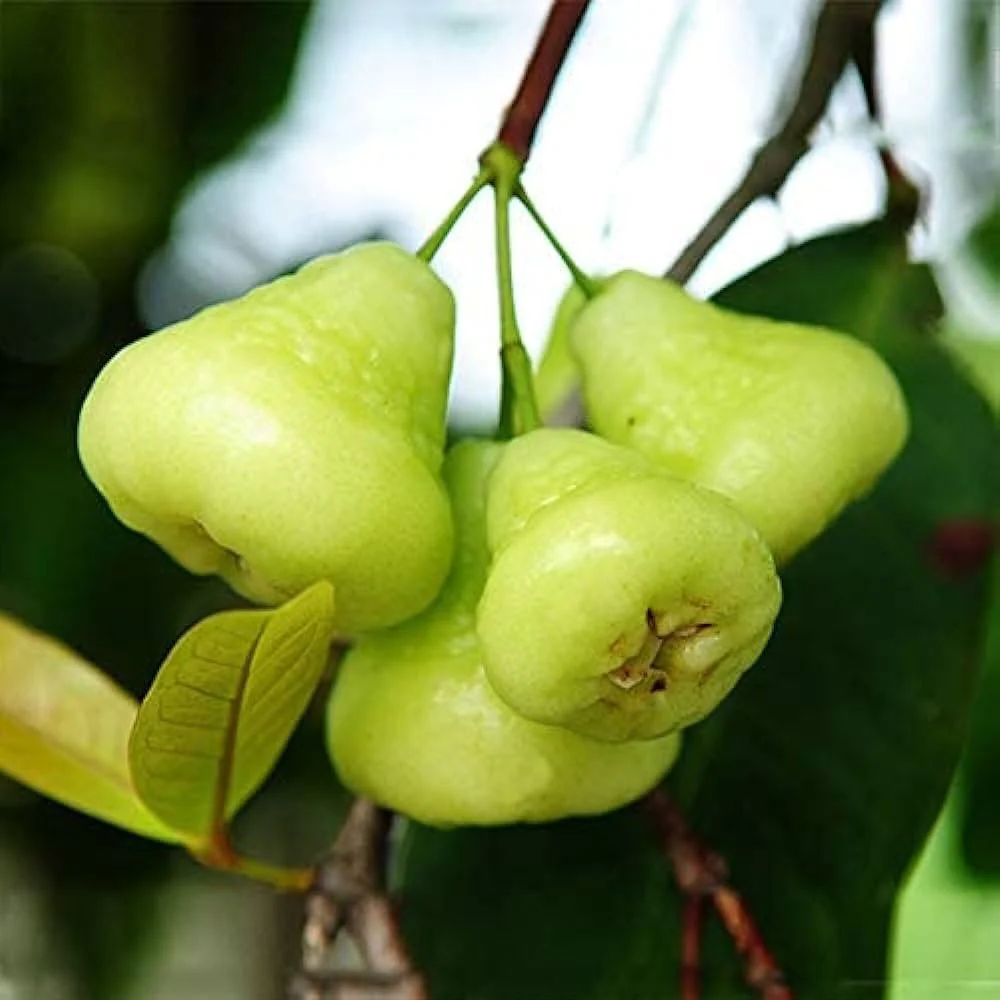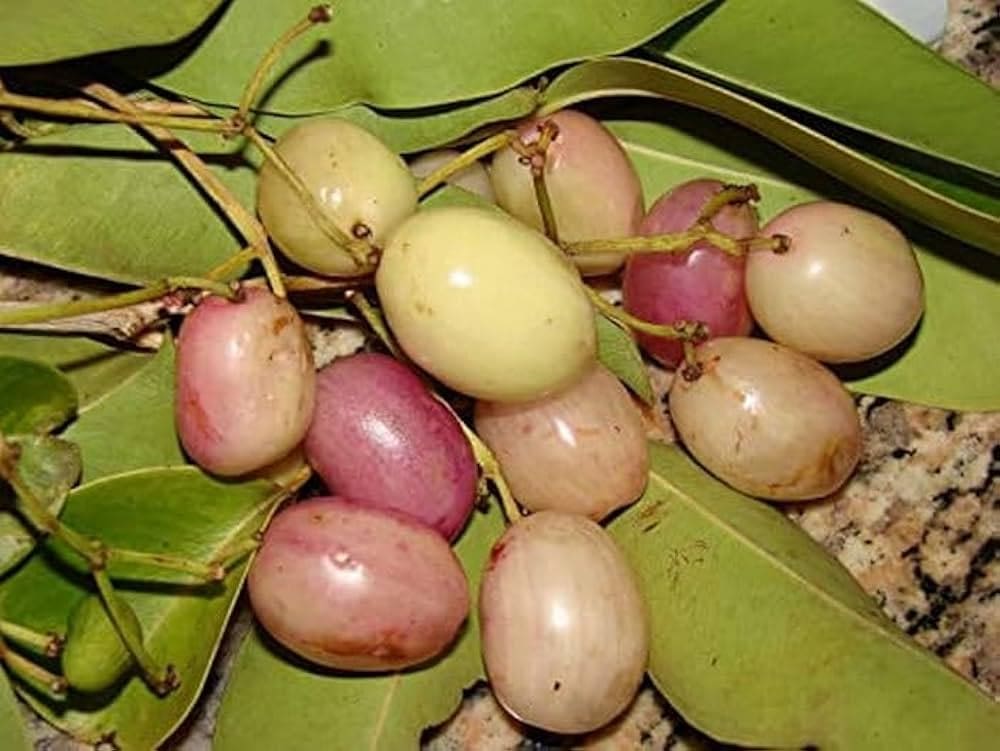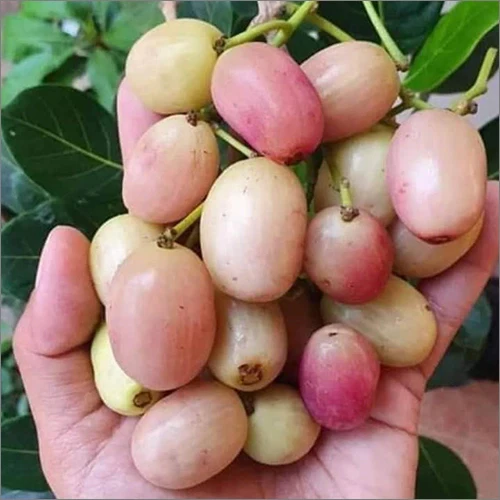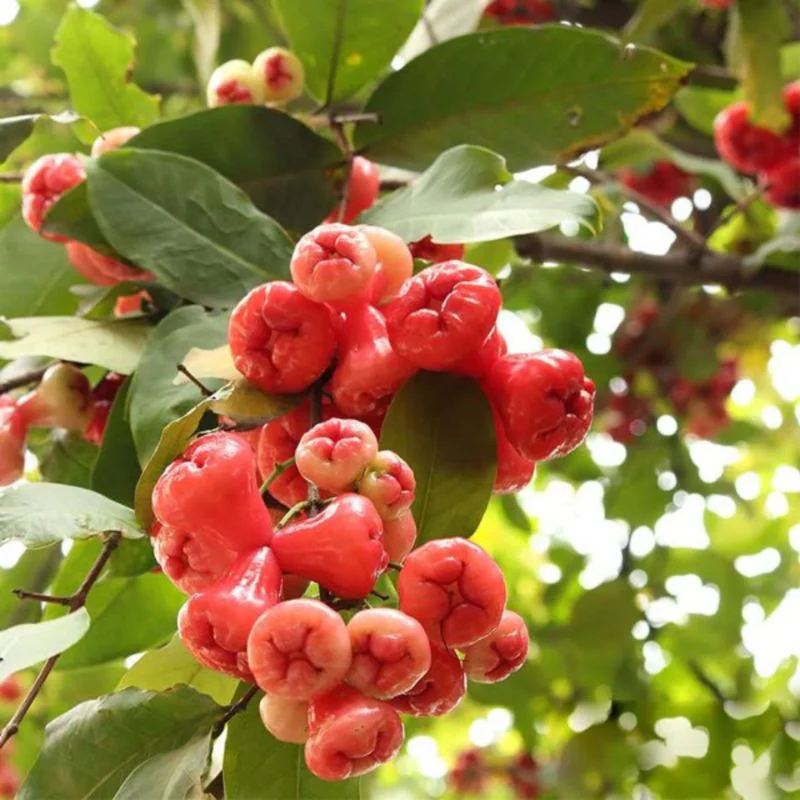
Pandhiri Malle
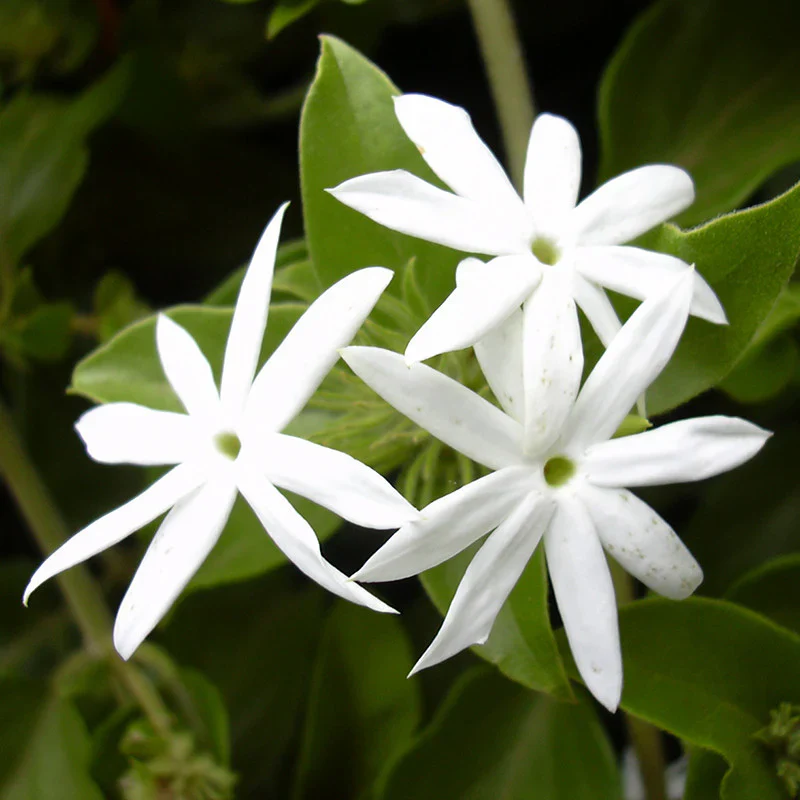
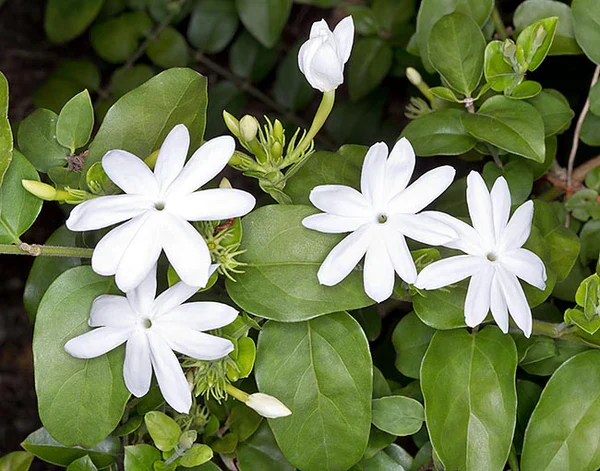
Pandhiri Malle, or Oleander, is a popular flowering shrub renowned for its stunning, colorful blooms. With its evergreen foliage and diverse flower colors, this plant can add a vibrant touch to any garden or landscape.
Key Features & Benefits
- Beautiful Blooms: Oleander produces clusters of fragrant flowers in a variety of colors, including pink, red, white, and yellow.
- Low Maintenance: This hardy plant is relatively easy to care for, making it ideal for both experienced and novice gardeners.
- Drought Tolerance: Oleander can withstand periods of drought, making it a great choice for water-wise gardens.
- Pest and Disease Resistance: It is generally resistant to pests and diseases, reducing the need for chemical treatments.
- Air Purifying: Oleander helps improve air quality by absorbing harmful pollutants.
Plant Care Guide
Ideal Plantation Locations
Oleander thrives in warm, sunny climates. It can tolerate a wide range of soil types but prefers well-draining soil.
Planting & Gardening Instructions
- Location: Choose a sunny location with well-draining soil.
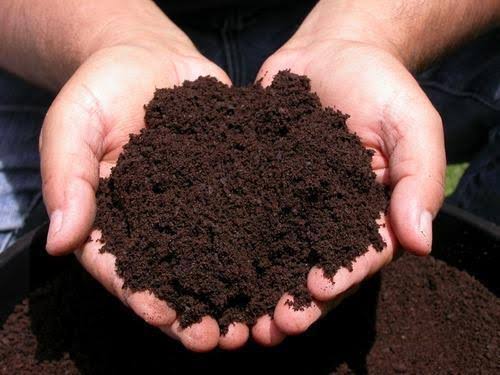
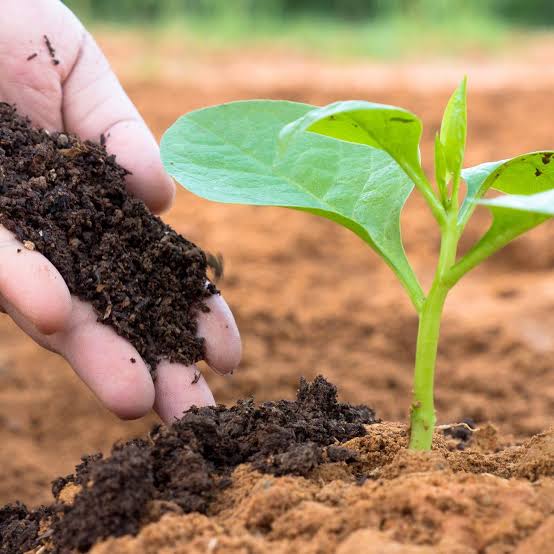
- Soil Preparation: Prepare the soil by loosening it and incorporating organic matter like compost or well-rotted manure.
- Planting: Plant the Oleander in a hole slightly larger than the root ball. Backfill with soil and water thoroughly.
- Spacing: Plant Oleander shrubs at a distance of 3-4 feet apart.
Watering
Water regularly, especially during dry periods. However, avoid overwatering, as this can lead to root rot.
Fertilizers
Fertilize your Oleander with a balanced liquid fertilizer once a month during the growing season.
Repotting Instructions
Re-pot your Oleander every 2-3 years or when the plant becomes root-bound. Choose a pot that is slightly larger than the current one and use fresh, well-draining potting mix.
Fruiting Season
Oleander does not produce edible fruit.
Usage Ideas
- Garden Borders: Create vibrant borders and hedges with Oleander.
- Landscaping: Use Oleander to add color and texture to your landscape.
- Container Gardening: Plant Oleander in pots and containers for balconies and patios.
Care Tips
- Pruning: Prune regularly to maintain shape and encourage new growth.
- Pest Control: Monitor for pests like aphids and scale insects. Treat with insecticidal soap or neem oil as needed.
- Winter Protection: In colder climates, protect Oleander from frost by covering it with a frost cloth or moving it indoors.
Product Information
Product Information
Shipping & Returns
Shipping & Returns
Description
Pandhiri Malle, or Oleander, is a popular flowering shrub renowned for its stunning, colorful blooms. With its evergreen foliage and diverse flower colors, this plant can add a vibrant touch to any garden or landscape.
Key Features & Benefits
- Beautiful Blooms: Oleander produces clusters of fragrant flowers in a variety of colors, including pink, red, white, and yellow.
- Low Maintenance: This hardy plant is relatively easy to care for, making it ideal for both experienced and novice gardeners.
- Drought Tolerance: Oleander can withstand periods of drought, making it a great choice for water-wise gardens.
- Pest and Disease Resistance: It is generally resistant to pests and diseases, reducing the need for chemical treatments.
- Air Purifying: Oleander helps improve air quality by absorbing harmful pollutants.
Plant Care Guide
Ideal Plantation Locations
Oleander thrives in warm, sunny climates. It can tolerate a wide range of soil types but prefers well-draining soil.
Planting & Gardening Instructions
- Location: Choose a sunny location with well-draining soil.
- Soil Preparation: Prepare the soil by loosening it and incorporating organic matter like compost or well-rotted manure.
- Planting: Plant the Oleander in a hole slightly larger than the root ball. Backfill with soil and water thoroughly.
- Spacing: Plant Oleander shrubs at a distance of 3-4 feet apart.
Watering
Water regularly, especially during dry periods. However, avoid overwatering, as this can lead to root rot.
Fertilizers
Fertilize your Oleander with a balanced liquid fertilizer once a month during the growing season.
Repotting Instructions
Re-pot your Oleander every 2-3 years or when the plant becomes root-bound. Choose a pot that is slightly larger than the current one and use fresh, well-draining potting mix.
Fruiting Season
Oleander does not produce edible fruit.
Usage Ideas
- Garden Borders: Create vibrant borders and hedges with Oleander.
- Landscaping: Use Oleander to add color and texture to your landscape.
- Container Gardening: Plant Oleander in pots and containers for balconies and patios.
Care Tips
- Pruning: Prune regularly to maintain shape and encourage new growth.
- Pest Control: Monitor for pests like aphids and scale insects. Treat with insecticidal soap or neem oil as needed.
- Winter Protection: In colder climates, protect Oleander from frost by covering it with a frost cloth or moving it indoors.