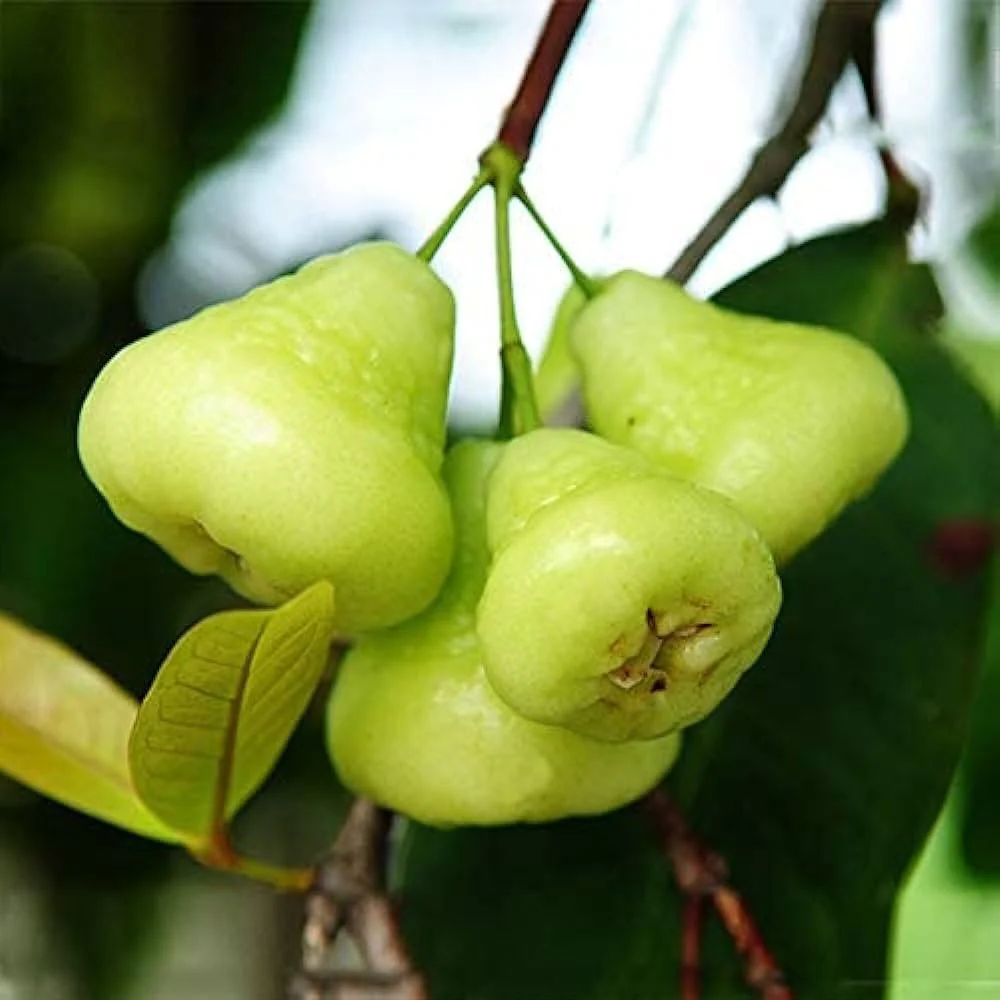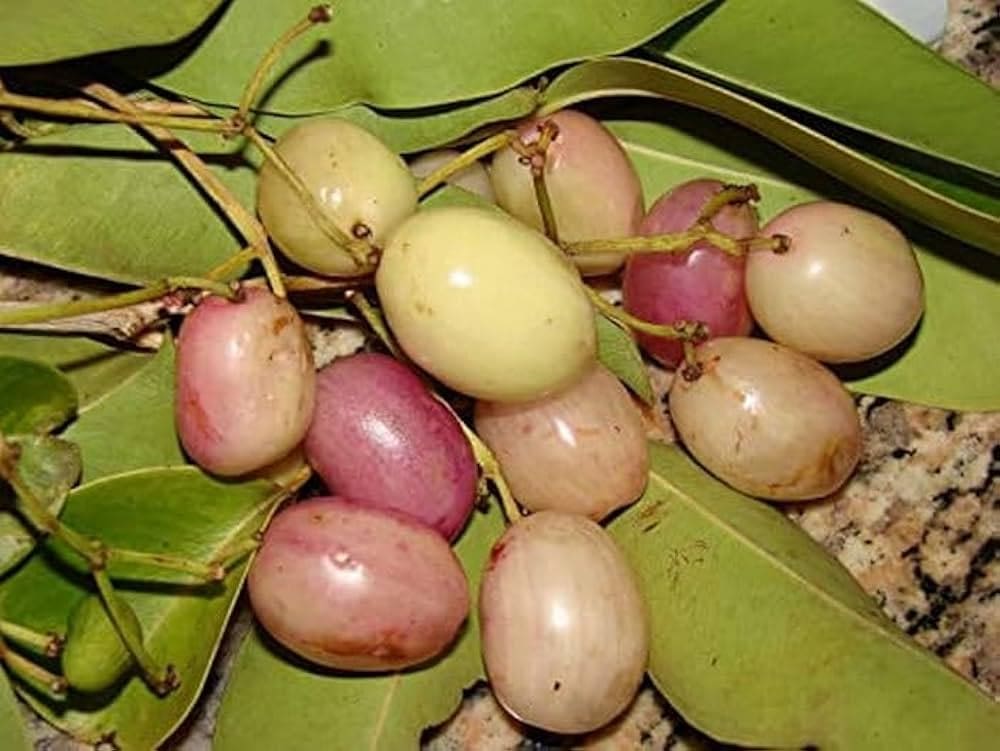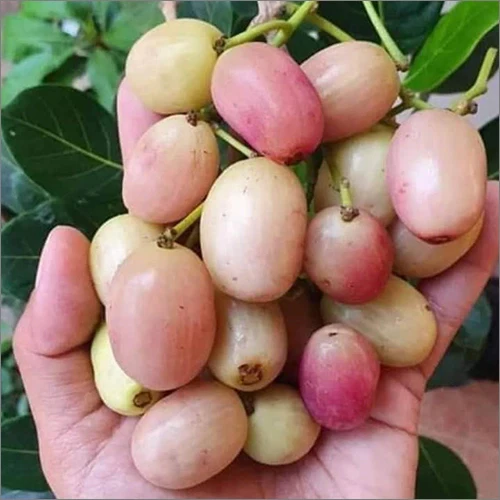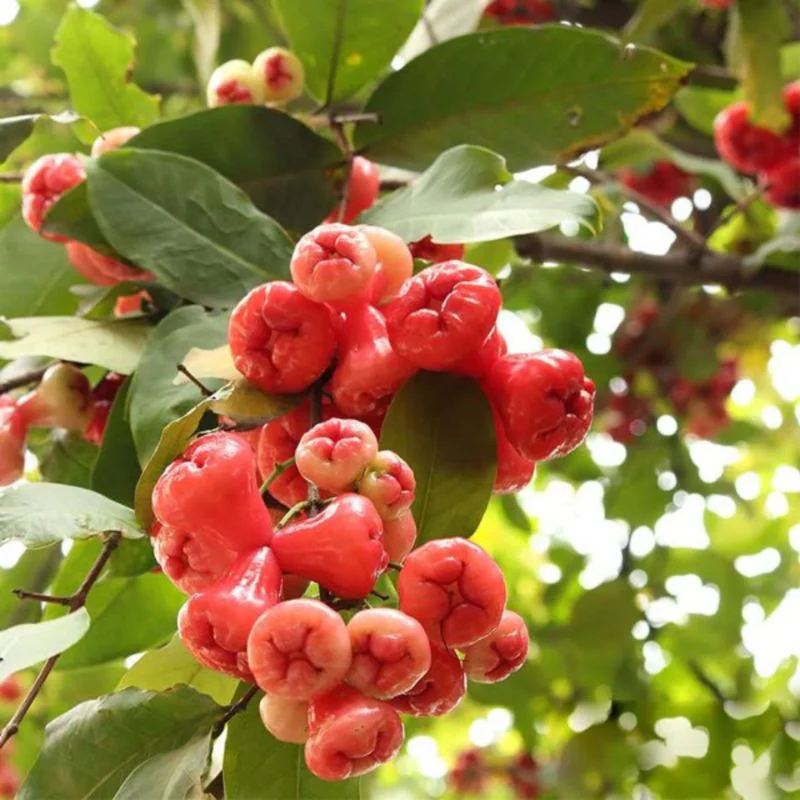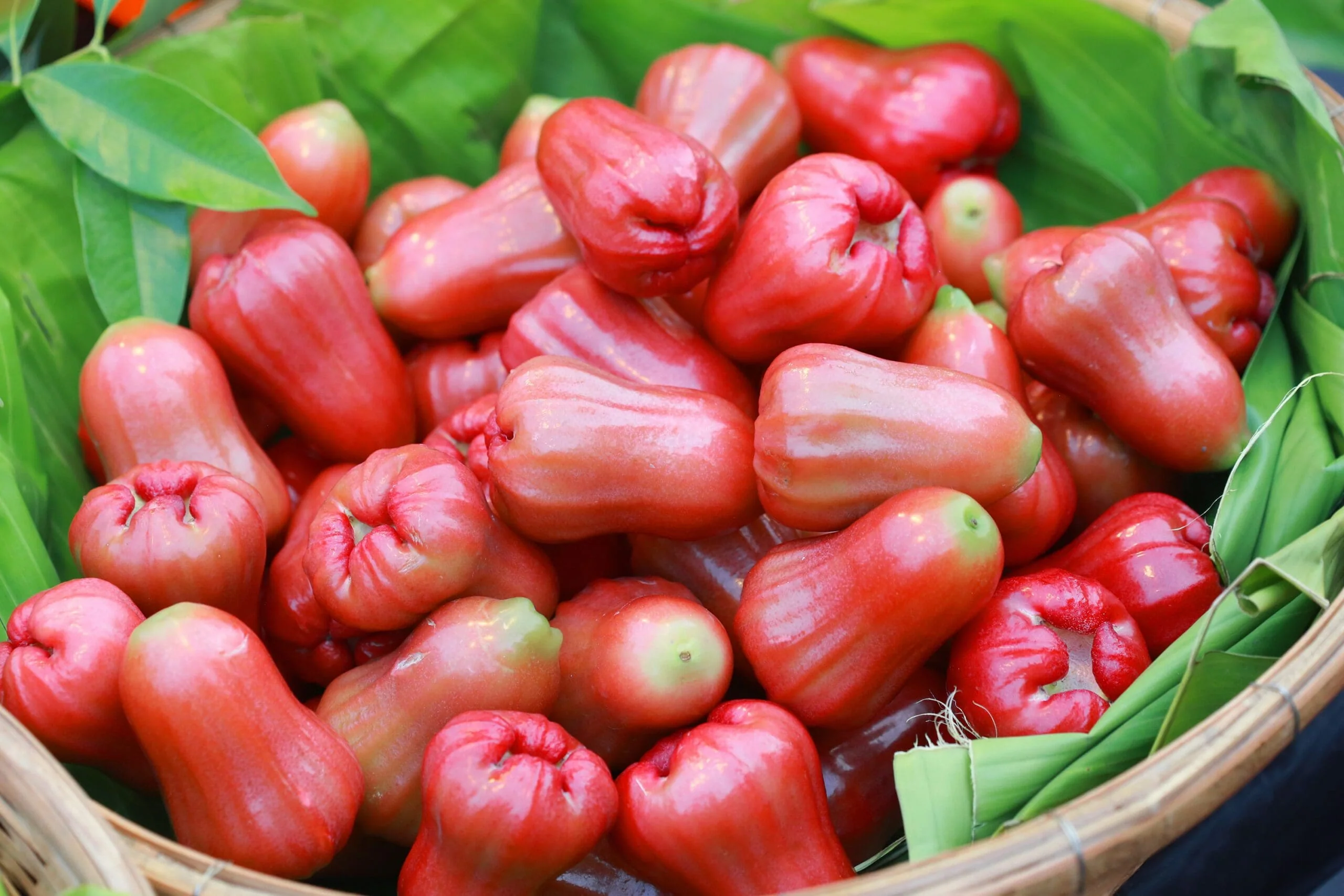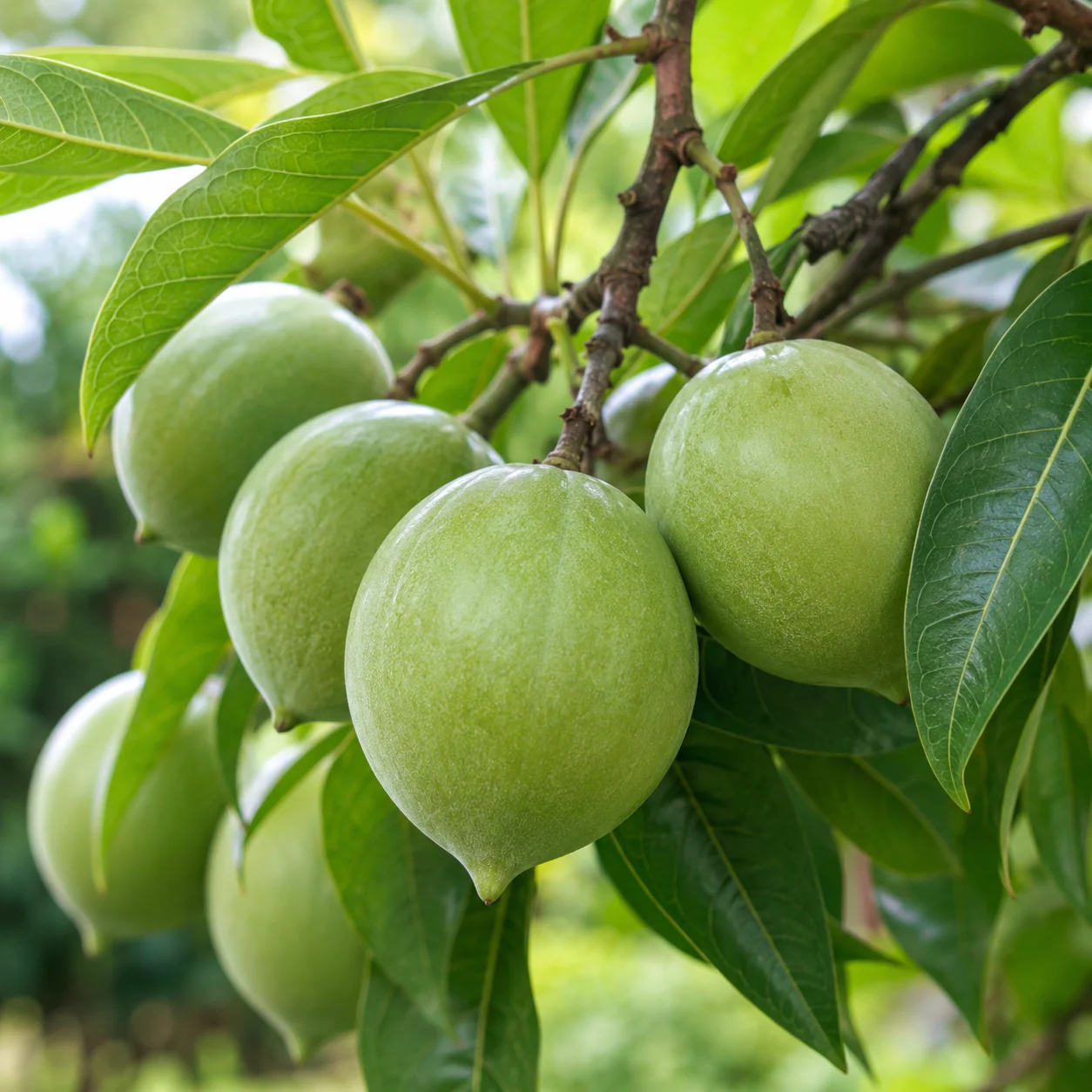
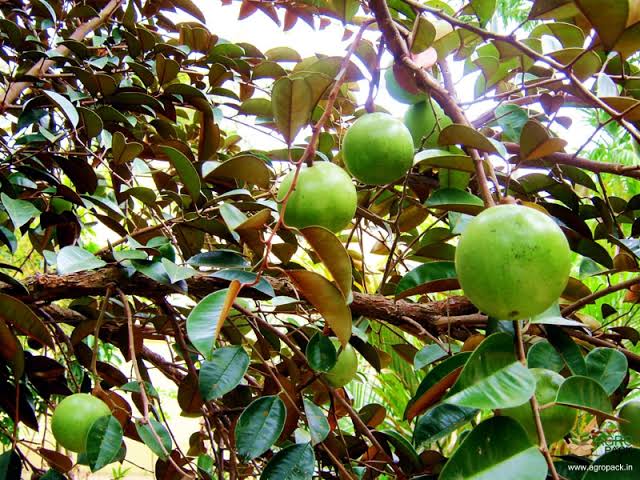
Milk Fruit ( Seedling )
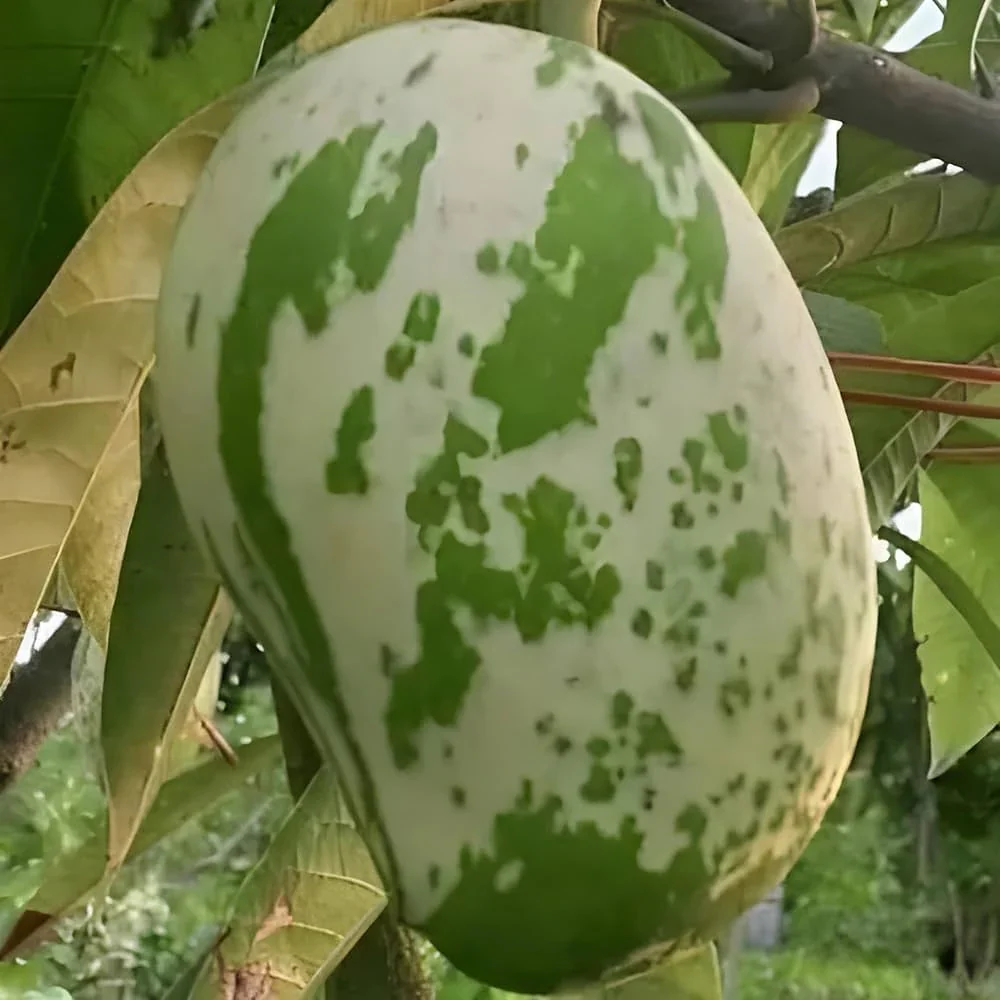
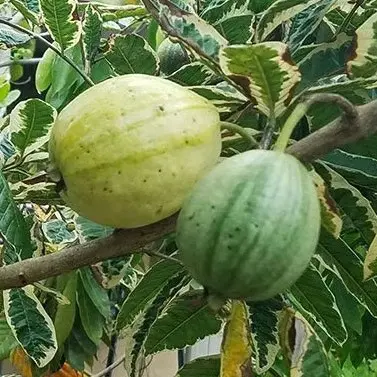
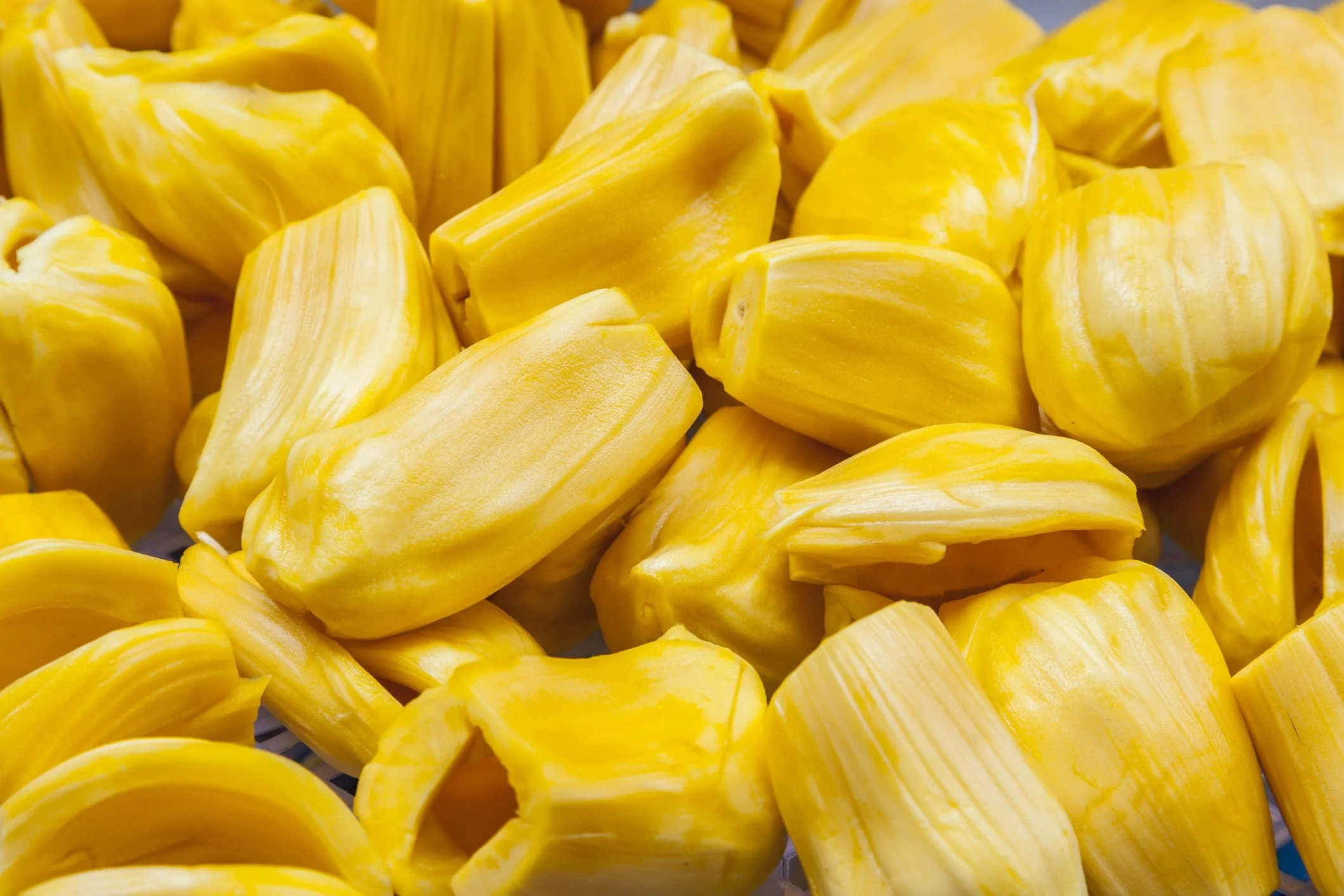
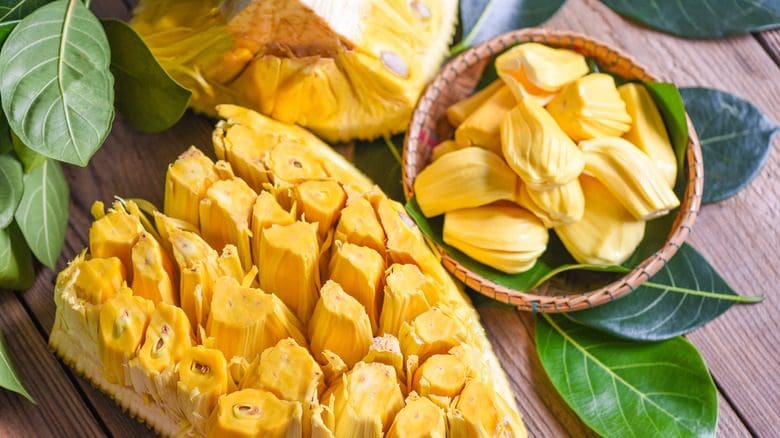
Experience the tropical delight of the Milk Fruit (also known as Mamey Sapote) with this easy-to-grow seedling! This unique fruit tree offers a sweet and creamy taste reminiscent of a cross between an apricot and a sweet potato. Cultivate your own source of this exotic fruit and enjoy the fresh, healthy rewards.
Key Features & Benefits
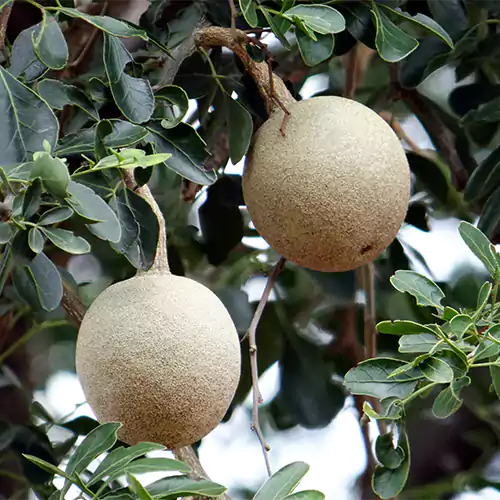
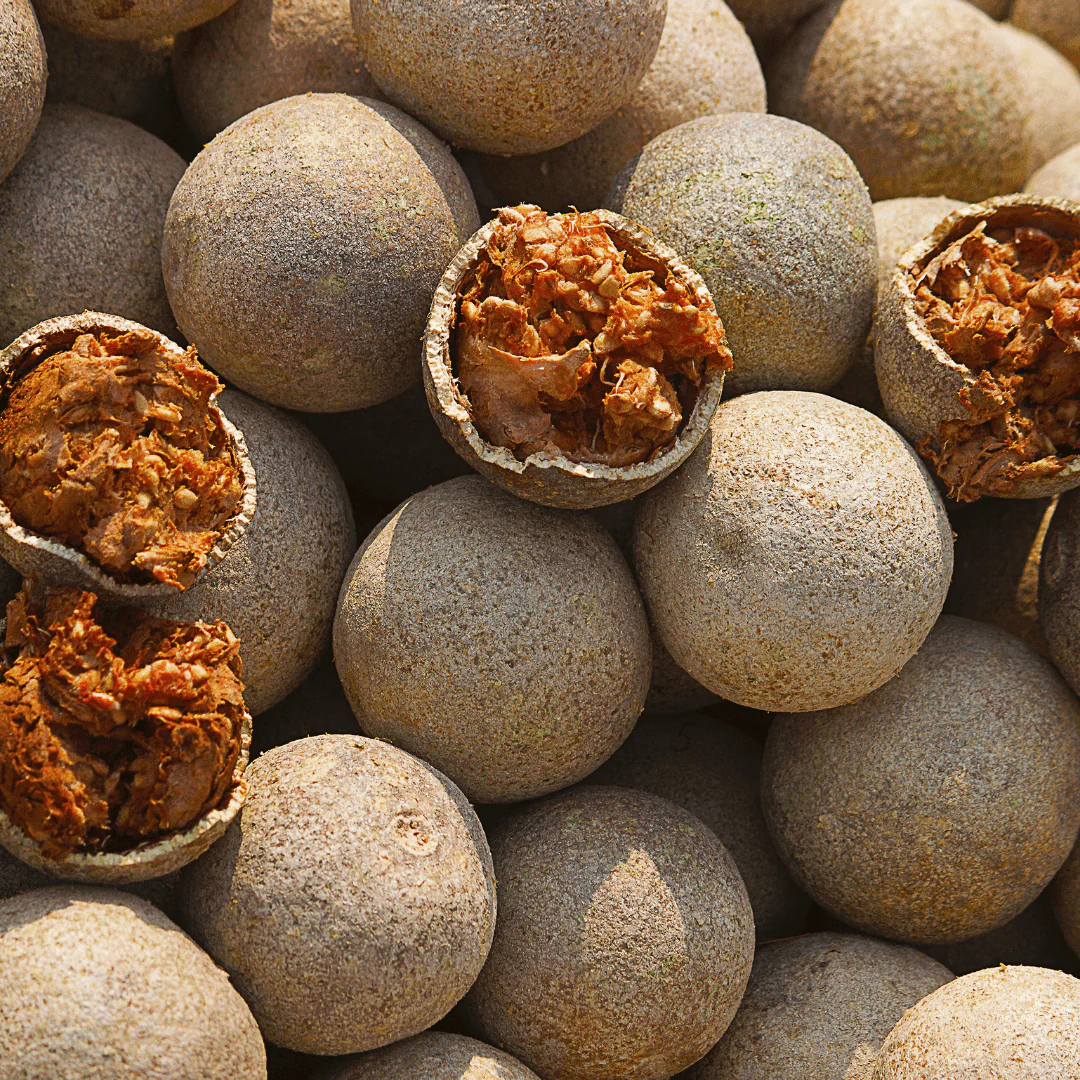
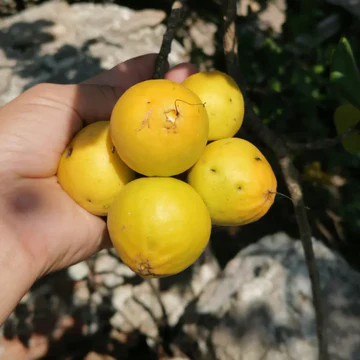
- Delicious Fruit: Produces large, round fruits with a vibrant orange-red flesh and a rich, creamy texture.
- Easy to Grow: Suitable for both novice and experienced gardeners.
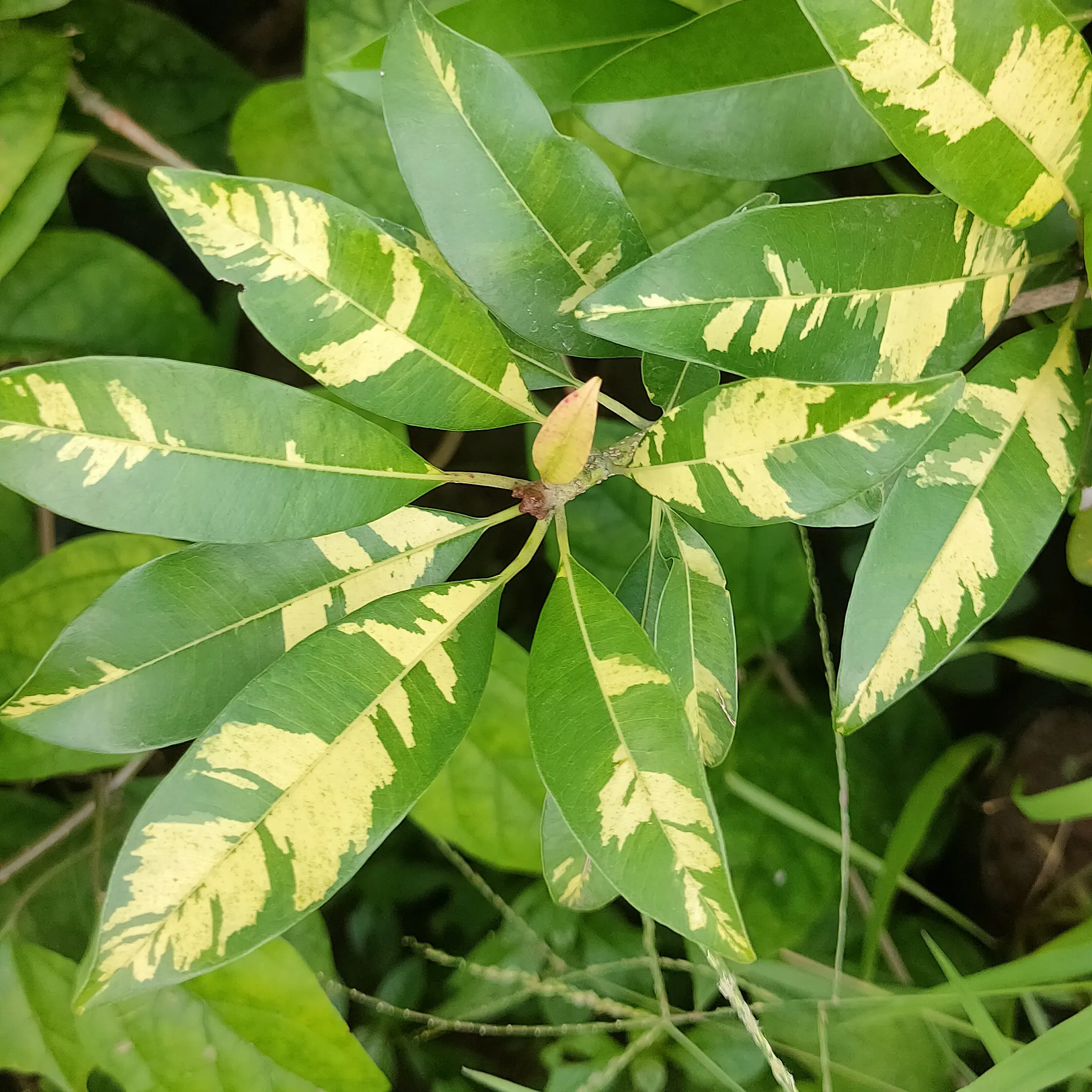
- Ornamental Value: Features attractive evergreen foliage, making it a visually appealing addition to any garden.
- Drought Tolerant: Once established, it can withstand periods of dry weather.
- Unique Flavor: Offers a distinctive and unforgettable flavor profile.
Plant Care Guide
Ideal Plantation Locations
- Climate: Thrives in warm, tropical, and subtropical climates with ample sunshine.
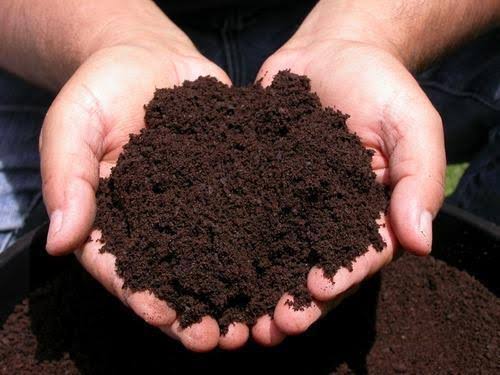
- Soil: Prefers well-drained, fertile soil with a slightly acidic to neutral pH.
- Regions: Suitable for growing in USDA hardiness zones 10-11.
Planting & Gardening Instructions
- Location: Choose a sunny location with at least 6-8 hours of direct sunlight per day.
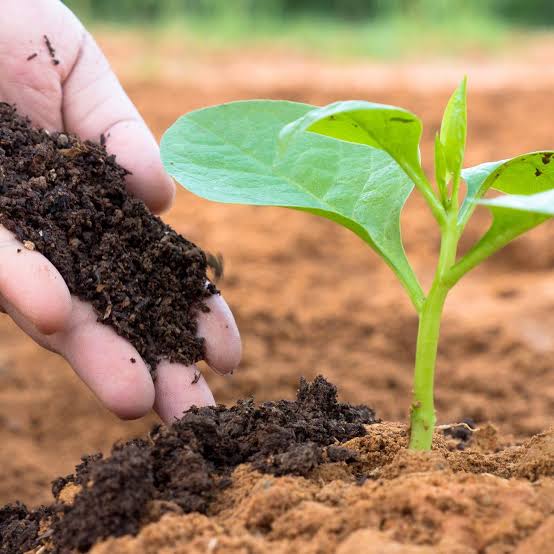
- Soil Preparation: Amend the soil with organic matter like compost or well-rotted manure to improve drainage and fertility.
- Planting: Plant the seedling at the same depth it was growing in the nursery container.
- Spacing: Allow 15-20 feet between trees for optimal growth and fruit production.
Watering
- Water regularly during the establishment phase.
- Reduce watering frequency as the tree matures, but ensure the soil remains consistently moist.
- Avoid overwatering, as it can lead to root rot.
Fertilizers
- Fertilize during the growing season (spring and summer) with a balanced slow-release fertilizer.
- Apply additional nitrogen-rich fertilizer in the early spring to encourage vegetative growth.
Repotting Instructions
- Re-pot young seedlings annually into larger containers until they are ready to be planted in the ground.
- Use well-draining potting mix.
Fruiting Season
- Typically begins to fruit 3-5 years after planting.
- Fruiting season usually occurs during the late summer or early fall.
Usage Ideas
- Enjoy the fresh, ripe fruit directly from the tree.
- Use the fruit in smoothies, juices, desserts, and other culinary creations.
- Grow as an ornamental tree to enhance the beauty of your landscape.
Care Tips
- Pest Control: Monitor for common pests like scale insects and mealybugs. Treat as needed with appropriate insecticides.
- Pruning: Prune lightly to shape the tree and remove any dead or crossing branches.
- Mulching: Apply a layer of organic mulch around the base of the tree to conserve moisture and suppress weeds.
$4.71
Milk Fruit ( Seedling )—
$4.71
Product Information
Product Information
Shipping & Returns
Shipping & Returns
Description
Experience the tropical delight of the Milk Fruit (also known as Mamey Sapote) with this easy-to-grow seedling! This unique fruit tree offers a sweet and creamy taste reminiscent of a cross between an apricot and a sweet potato. Cultivate your own source of this exotic fruit and enjoy the fresh, healthy rewards.
Key Features & Benefits
- Delicious Fruit: Produces large, round fruits with a vibrant orange-red flesh and a rich, creamy texture.
- Easy to Grow: Suitable for both novice and experienced gardeners.
- Ornamental Value: Features attractive evergreen foliage, making it a visually appealing addition to any garden.
- Drought Tolerant: Once established, it can withstand periods of dry weather.
- Unique Flavor: Offers a distinctive and unforgettable flavor profile.
Plant Care Guide
Ideal Plantation Locations
- Climate: Thrives in warm, tropical, and subtropical climates with ample sunshine.
- Soil: Prefers well-drained, fertile soil with a slightly acidic to neutral pH.
- Regions: Suitable for growing in USDA hardiness zones 10-11.
Planting & Gardening Instructions
- Location: Choose a sunny location with at least 6-8 hours of direct sunlight per day.
- Soil Preparation: Amend the soil with organic matter like compost or well-rotted manure to improve drainage and fertility.
- Planting: Plant the seedling at the same depth it was growing in the nursery container.
- Spacing: Allow 15-20 feet between trees for optimal growth and fruit production.
Watering
- Water regularly during the establishment phase.
- Reduce watering frequency as the tree matures, but ensure the soil remains consistently moist.
- Avoid overwatering, as it can lead to root rot.
Fertilizers
- Fertilize during the growing season (spring and summer) with a balanced slow-release fertilizer.
- Apply additional nitrogen-rich fertilizer in the early spring to encourage vegetative growth.
Repotting Instructions
- Re-pot young seedlings annually into larger containers until they are ready to be planted in the ground.
- Use well-draining potting mix.
Fruiting Season
- Typically begins to fruit 3-5 years after planting.
- Fruiting season usually occurs during the late summer or early fall.
Usage Ideas
- Enjoy the fresh, ripe fruit directly from the tree.
- Use the fruit in smoothies, juices, desserts, and other culinary creations.
- Grow as an ornamental tree to enhance the beauty of your landscape.
Care Tips
- Pest Control: Monitor for common pests like scale insects and mealybugs. Treat as needed with appropriate insecticides.
- Pruning: Prune lightly to shape the tree and remove any dead or crossing branches.
- Mulching: Apply a layer of organic mulch around the base of the tree to conserve moisture and suppress weeds.