Lemon Grass
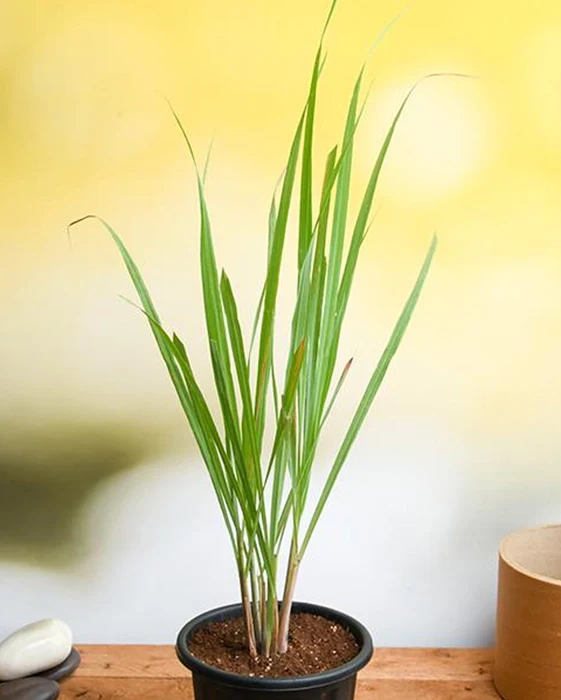
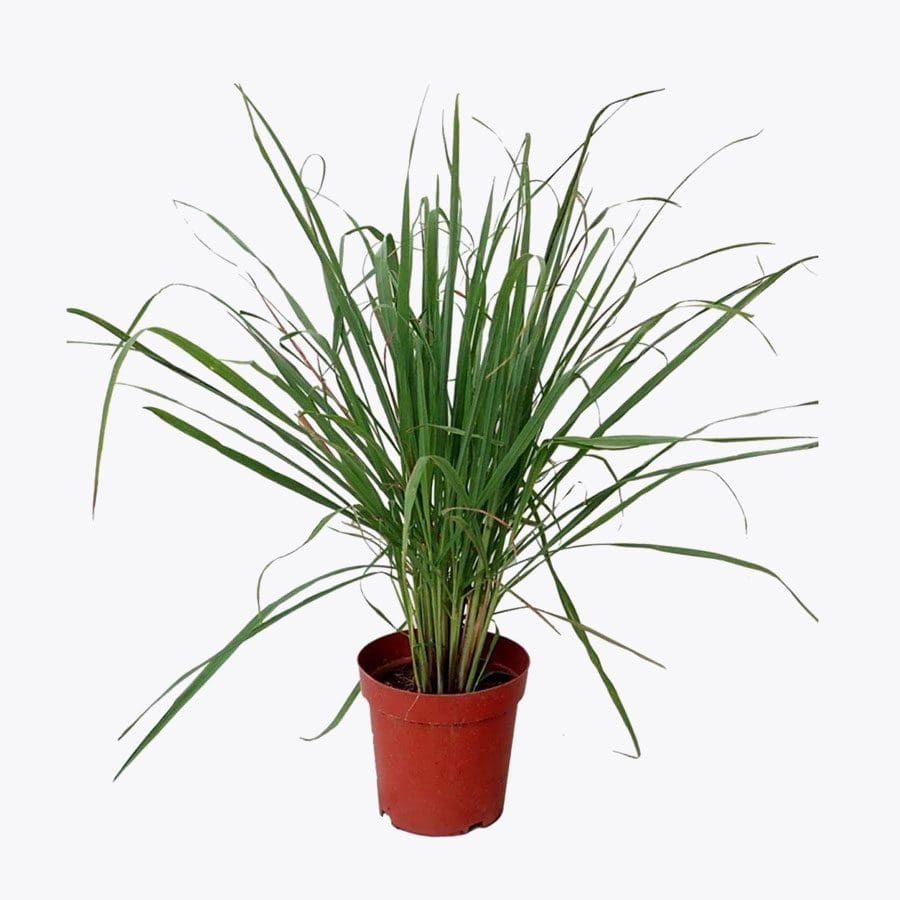
Lemon Grass (Cymbopogon citratus) is a perennial tropical herb renowned for its refreshing lemony aroma and flavor. This versatile plant is a culinary delight, adding a zesty zing to teas, soups, curries, and stir-fries. Beyond its culinary uses, Lemon Grass possesses numerous health benefits and can also be used to repel insects.
Key Features & Benefits
- Culinary Versatility: A key ingredient in Southeast Asian cuisine, Lemon Grass adds a unique citrusy flavor to various dishes.
- Aromatic Properties: The strong lemony scent makes it an excellent natural insect repellent and air freshener.
- Health Benefits: Rich in antioxidants, vitamins, and minerals, Lemon Grass may aid digestion, boost immunity, and have anti-inflammatory properties.
- Easy to Grow: Relatively low-maintenance and can be grown in containers or directly in the ground.
- Attractive Foliage: Adds a touch of tropical beauty to any garden or indoor space.
Plant Care Guide
Ideal Plantation Locations
Lemon Grass thrives in warm, humid climates with plenty of sunlight. It prefers well-drained, fertile soil rich in organic matter. Suitable regions include tropical and subtropical areas.
Planting & Gardening Instructions
- Location: Choose a sunny location with at least 6 hours of direct sunlight per day.
- Soil Preparation: Prepare the soil by loosening it and incorporating compost or well-rotted manure.
- Planting: Plant Lemon Grass rhizomes or seedlings 6-8 inches apart.
- Spacing: Maintain a spacing of 12-18 inches between plants.
Watering
Water regularly, especially during dry periods. Ensure the soil remains consistently moist but not waterlogged.
Fertilizers
Apply a balanced liquid fertilizer every 4-6 weeks during the growing season. Alternatively, use organic fertilizers like compost tea or fish emulsion.
Repotting Instructions
Re-pot container-grown Lemon Grass annually in spring using a well-draining potting mix. Choose a pot that is slightly larger than the previous one.
Fruiting Season
Lemon Grass does not produce fruit. It is harvested for its leaves and stalks.
Usage Ideas
- Culinary uses: Teas, soups, curries, stir-fries, marinades
- Herbal infusions: Make refreshing Lemon Grass tea or infused water.
- Insect repellent: Use fresh or dried leaves to repel mosquitoes and other insects.
- Essential oil extraction: Extract Lemon Grass oil for aromatherapy and other uses.
- Landscaping: Add a tropical touch to gardens and borders.
Care Tips
- Pest and Disease Control: Monitor for pests like aphids and scale insects. Control them organically with insecticidal soap or neem oil.
- Pruning: Regularly prune to encourage new growth and maintain a compact shape.
- Mulching: Apply a layer of organic mulch around the base of the plant to retain moisture and suppress weeds.
Product Information
Product Information
Shipping & Returns
Shipping & Returns
Description
Lemon Grass (Cymbopogon citratus) is a perennial tropical herb renowned for its refreshing lemony aroma and flavor. This versatile plant is a culinary delight, adding a zesty zing to teas, soups, curries, and stir-fries. Beyond its culinary uses, Lemon Grass possesses numerous health benefits and can also be used to repel insects.
Key Features & Benefits
- Culinary Versatility: A key ingredient in Southeast Asian cuisine, Lemon Grass adds a unique citrusy flavor to various dishes.
- Aromatic Properties: The strong lemony scent makes it an excellent natural insect repellent and air freshener.
- Health Benefits: Rich in antioxidants, vitamins, and minerals, Lemon Grass may aid digestion, boost immunity, and have anti-inflammatory properties.
- Easy to Grow: Relatively low-maintenance and can be grown in containers or directly in the ground.
- Attractive Foliage: Adds a touch of tropical beauty to any garden or indoor space.
Plant Care Guide
Ideal Plantation Locations
Lemon Grass thrives in warm, humid climates with plenty of sunlight. It prefers well-drained, fertile soil rich in organic matter. Suitable regions include tropical and subtropical areas.
Planting & Gardening Instructions
- Location: Choose a sunny location with at least 6 hours of direct sunlight per day.
- Soil Preparation: Prepare the soil by loosening it and incorporating compost or well-rotted manure.
- Planting: Plant Lemon Grass rhizomes or seedlings 6-8 inches apart.
- Spacing: Maintain a spacing of 12-18 inches between plants.
Watering
Water regularly, especially during dry periods. Ensure the soil remains consistently moist but not waterlogged.
Fertilizers
Apply a balanced liquid fertilizer every 4-6 weeks during the growing season. Alternatively, use organic fertilizers like compost tea or fish emulsion.
Repotting Instructions
Re-pot container-grown Lemon Grass annually in spring using a well-draining potting mix. Choose a pot that is slightly larger than the previous one.
Fruiting Season
Lemon Grass does not produce fruit. It is harvested for its leaves and stalks.
Usage Ideas
- Culinary uses: Teas, soups, curries, stir-fries, marinades
- Herbal infusions: Make refreshing Lemon Grass tea or infused water.
- Insect repellent: Use fresh or dried leaves to repel mosquitoes and other insects.
- Essential oil extraction: Extract Lemon Grass oil for aromatherapy and other uses.
- Landscaping: Add a tropical touch to gardens and borders.
Care Tips
- Pest and Disease Control: Monitor for pests like aphids and scale insects. Control them organically with insecticidal soap or neem oil.
- Pruning: Regularly prune to encourage new growth and maintain a compact shape.
- Mulching: Apply a layer of organic mulch around the base of the plant to retain moisture and suppress weeds.