Lavanga Tulasi
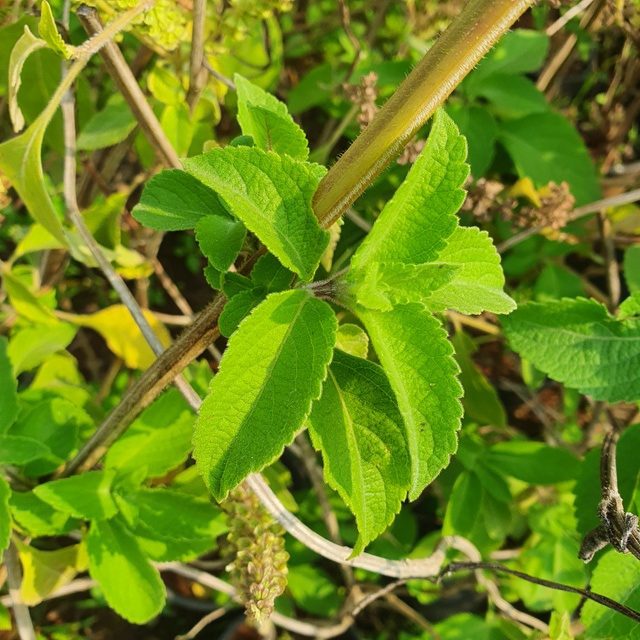
Lavanga Tulasi, also known as clove basil, is a unique variety of holy basil with a distinct clove-like aroma. This aromatic herb is highly revered in Ayurveda for its numerous medicinal properties. Renowned for its strong immune-boosting qualities, Lavanga Tulasi is also believed to possess anti-inflammatory, antioxidant, and anti-stress properties.
Key Features & Benefits
- Strong Clove Aroma: Distinctive fragrance adds a unique flavor to culinary dishes and herbal infusions.
- Medicinal Properties: Rich in antioxidants, essential oils, and bio active compounds with potential health benefits.
- Aromatic Landscaping: Creates a calming and invigorating atmosphere in gardens and landscapes.
- Culinary Uses: Adds a unique flavor to teas, soups, curries, and other dishes.
- Easy to Grow: Relatively low-maintenance and can be grown in various conditions.
Plant Care Guide
Ideal Plantation Locations
Lavanga Tulasi thrives in warm climates with plenty of sunshine. It prefers well-drained, fertile soil rich in organic matter. Suitable regions include tropical and subtropical areas with moderate to high humidity.
Planting & Gardening Instructions
- Location: Choose a sunny location with at least 6 hours of direct sunlight per day.
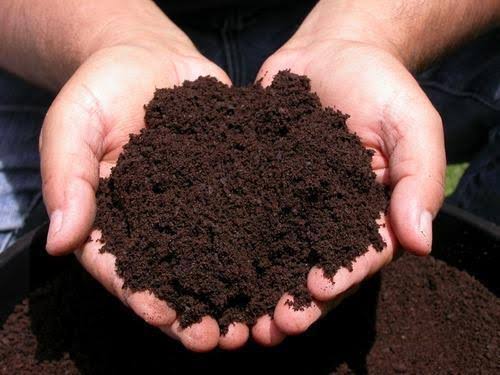
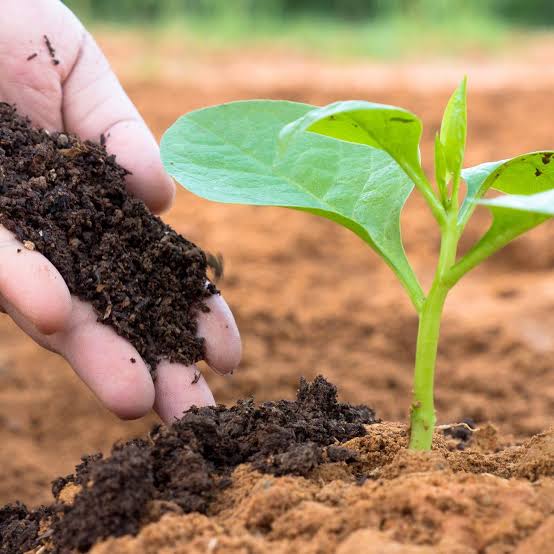
- Soil Preparation: Prepare the soil by mixing in compost or well-rotted manure to improve drainage and fertility.
- Planting: Sow seeds directly into the ground or start them indoors in seed trays. Maintain a consistent moisture level.
- Spacing: Plant seedlings 12-18 inches apart to allow for adequate growth.
Watering
Water regularly, ensuring the soil remains moist but not waterlogged. Reduce watering frequency during the rainy season.
Fertilizers
Apply a balanced organic fertilizer every 4-6 weeks during the growing season. Avoid excessive fertilization.
Repotting Instructions
Re-pot young plants annually into larger containers to accommodate their growing roots. Use well-draining potting mix.
Fruiting Season
Lavanga Tulasi is primarily grown for its leaves and aromatic properties. It does not typically produce fruits.
Usage Ideas
- Culinary Uses: Add fresh or dried leaves to teas, soups, curries, and stir-fries.
- Medicinal Uses: Make herbal infusions or use leaves in Ayurvedic preparations.
- Aromatic Landscaping: Plant in gardens or containers to enjoy its fragrant foliage.
- Gifting: Share with friends and family as a unique and aromatic gift.
Care Tips
- Pest Control: Monitor for pests like aphids and white-flies. Use organic pest control methods like neem oil or insecticidal soap.
- Pruning: Regularly prune to maintain a bushy shape and encourage new growth.
- Mulching: Apply a layer of organic mulch around the base of the plant to conserve moisture and suppress weeds.
Product Information
Product Information
Shipping & Returns
Shipping & Returns
Description
Lavanga Tulasi, also known as clove basil, is a unique variety of holy basil with a distinct clove-like aroma. This aromatic herb is highly revered in Ayurveda for its numerous medicinal properties. Renowned for its strong immune-boosting qualities, Lavanga Tulasi is also believed to possess anti-inflammatory, antioxidant, and anti-stress properties.
Key Features & Benefits
- Strong Clove Aroma: Distinctive fragrance adds a unique flavor to culinary dishes and herbal infusions.
- Medicinal Properties: Rich in antioxidants, essential oils, and bio active compounds with potential health benefits.
- Aromatic Landscaping: Creates a calming and invigorating atmosphere in gardens and landscapes.
- Culinary Uses: Adds a unique flavor to teas, soups, curries, and other dishes.
- Easy to Grow: Relatively low-maintenance and can be grown in various conditions.
Plant Care Guide
Ideal Plantation Locations
Lavanga Tulasi thrives in warm climates with plenty of sunshine. It prefers well-drained, fertile soil rich in organic matter. Suitable regions include tropical and subtropical areas with moderate to high humidity.
Planting & Gardening Instructions
- Location: Choose a sunny location with at least 6 hours of direct sunlight per day.
- Soil Preparation: Prepare the soil by mixing in compost or well-rotted manure to improve drainage and fertility.
- Planting: Sow seeds directly into the ground or start them indoors in seed trays. Maintain a consistent moisture level.
- Spacing: Plant seedlings 12-18 inches apart to allow for adequate growth.
Watering
Water regularly, ensuring the soil remains moist but not waterlogged. Reduce watering frequency during the rainy season.
Fertilizers
Apply a balanced organic fertilizer every 4-6 weeks during the growing season. Avoid excessive fertilization.
Repotting Instructions
Re-pot young plants annually into larger containers to accommodate their growing roots. Use well-draining potting mix.
Fruiting Season
Lavanga Tulasi is primarily grown for its leaves and aromatic properties. It does not typically produce fruits.
Usage Ideas
- Culinary Uses: Add fresh or dried leaves to teas, soups, curries, and stir-fries.
- Medicinal Uses: Make herbal infusions or use leaves in Ayurvedic preparations.
- Aromatic Landscaping: Plant in gardens or containers to enjoy its fragrant foliage.
- Gifting: Share with friends and family as a unique and aromatic gift.
Care Tips
- Pest Control: Monitor for pests like aphids and white-flies. Use organic pest control methods like neem oil or insecticidal soap.
- Pruning: Regularly prune to maintain a bushy shape and encourage new growth.
- Mulching: Apply a layer of organic mulch around the base of the plant to conserve moisture and suppress weeds.