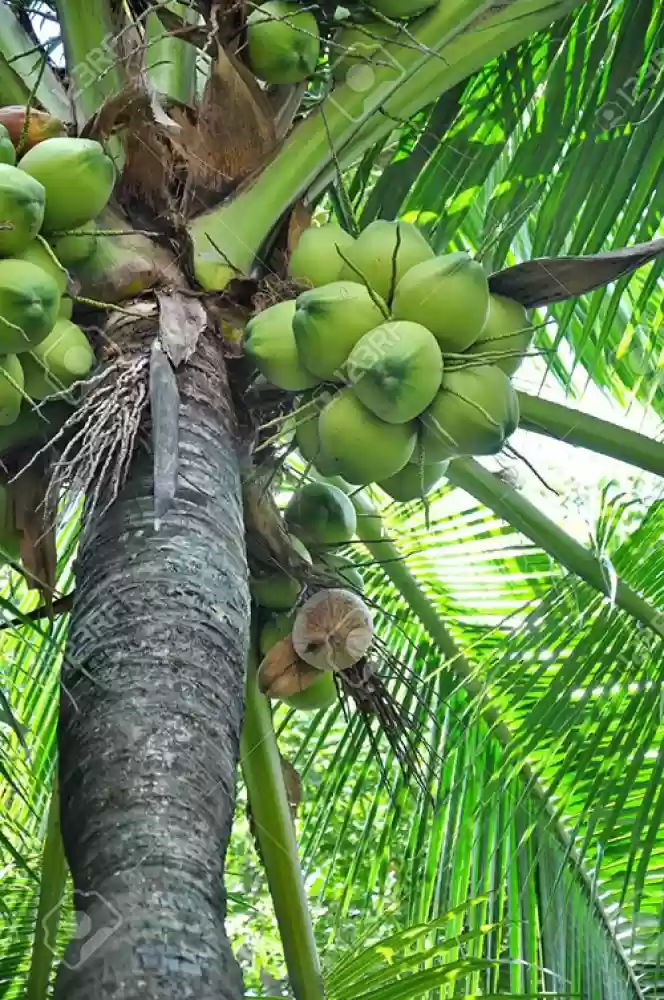
Dhesivali coconut
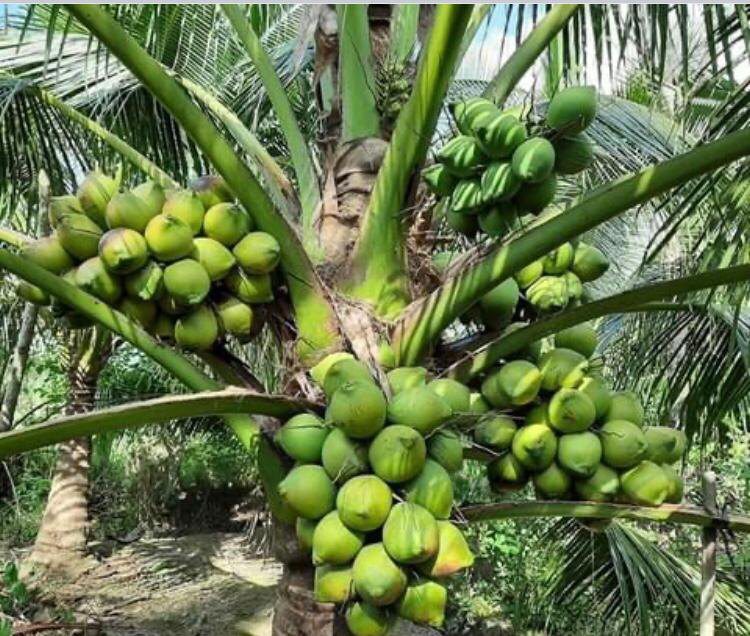
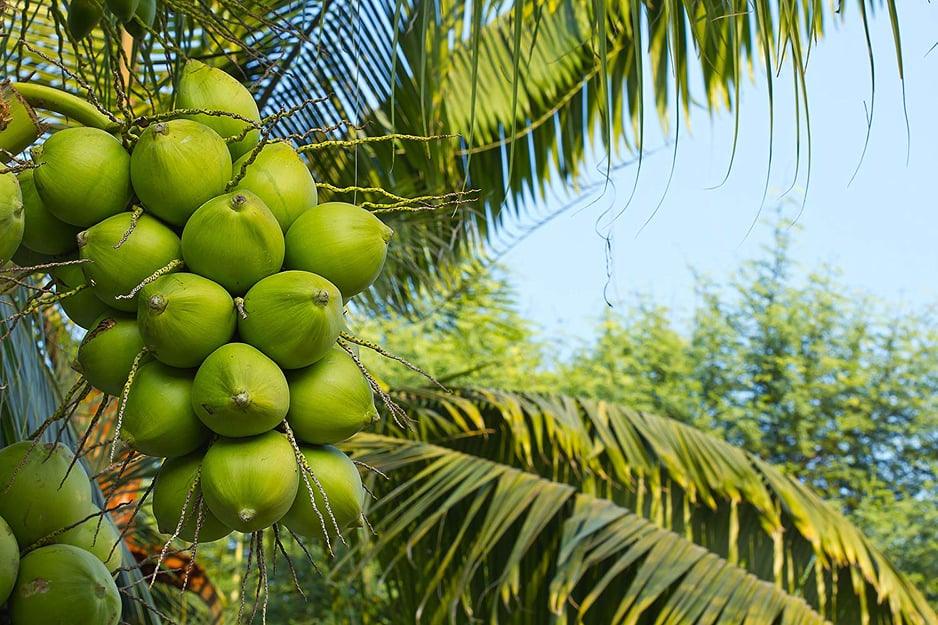
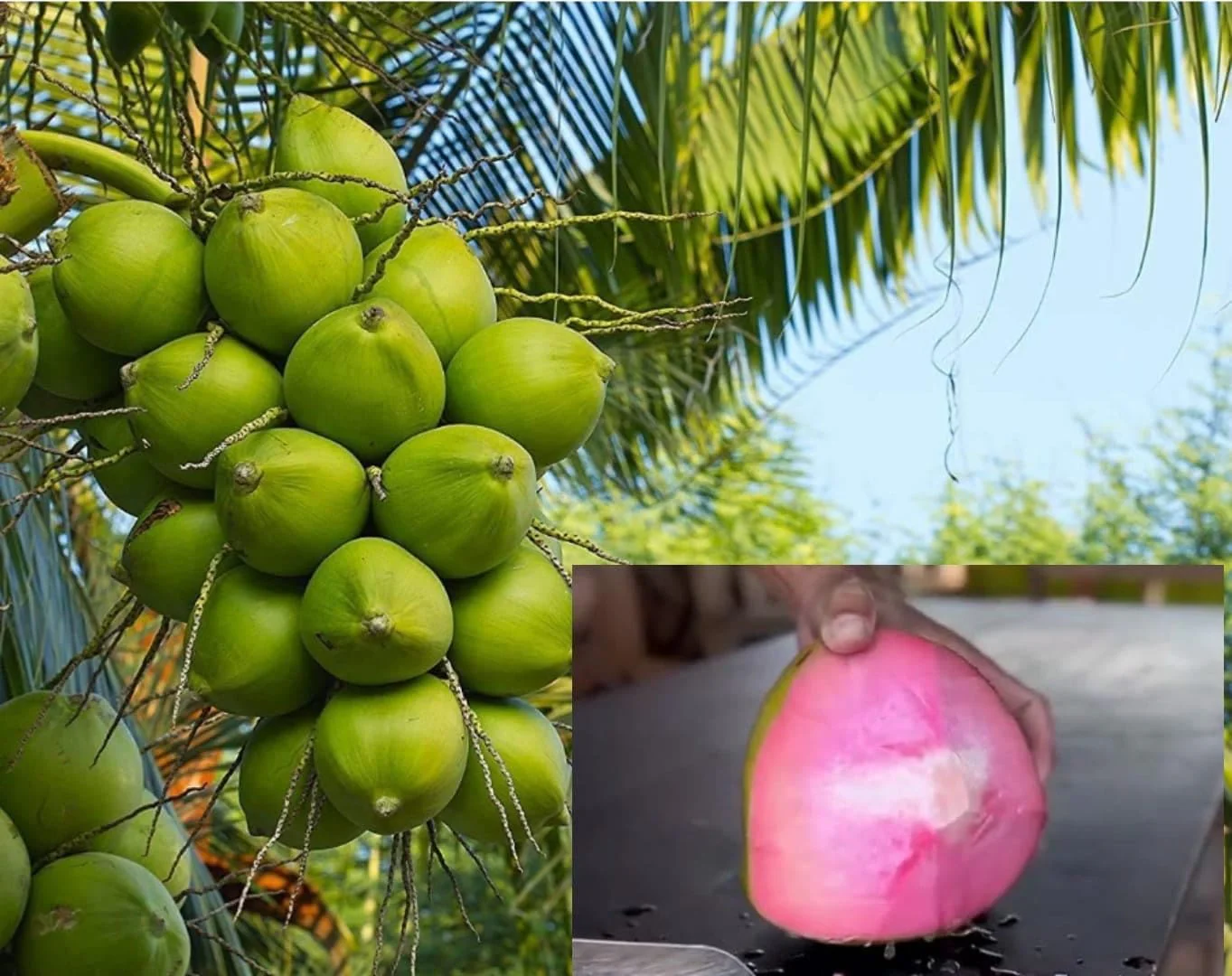
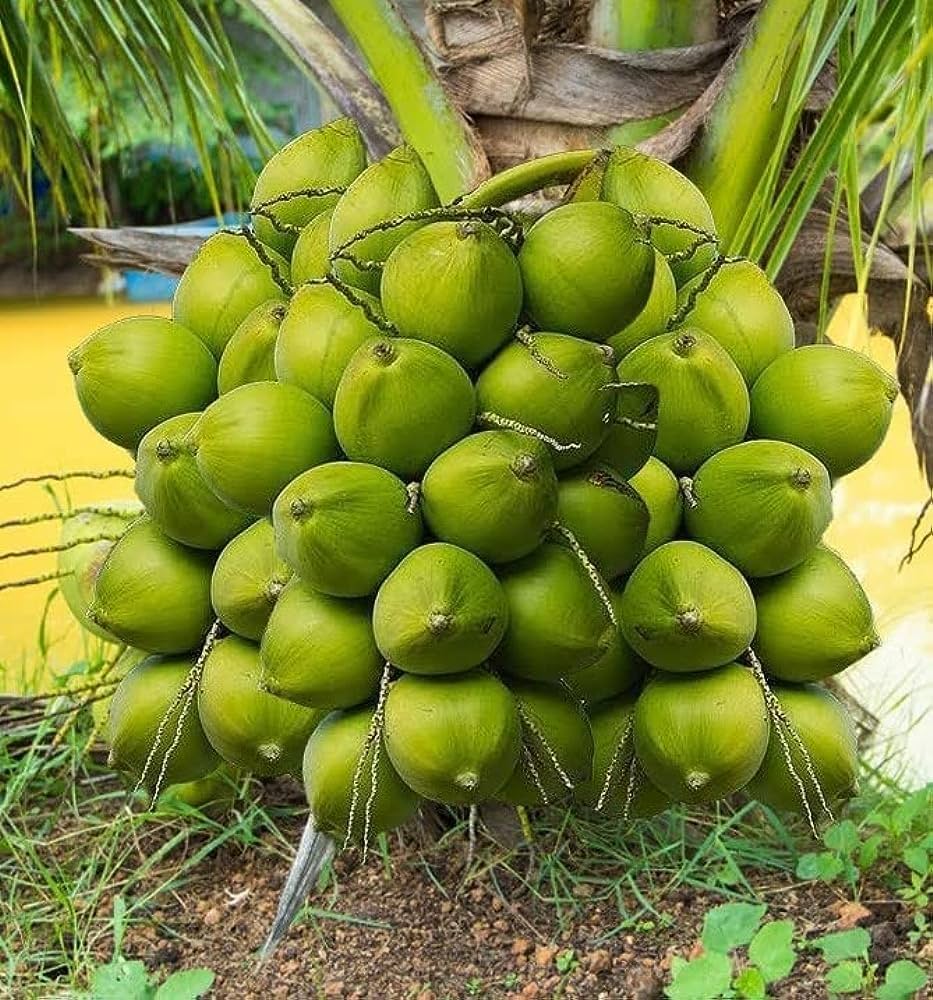
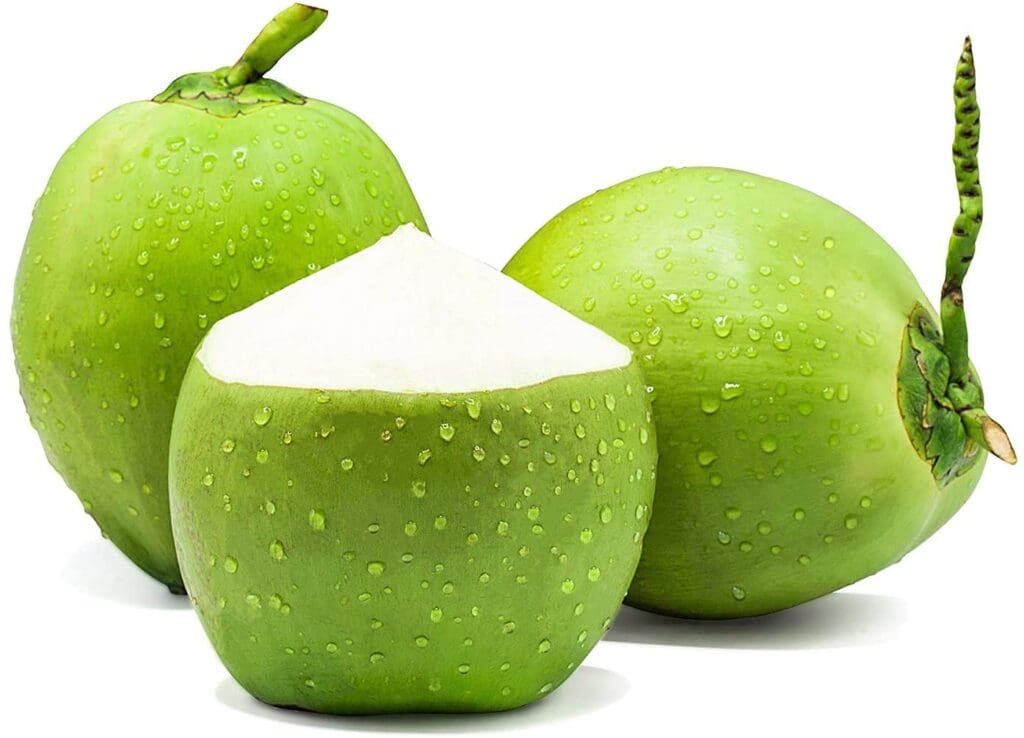
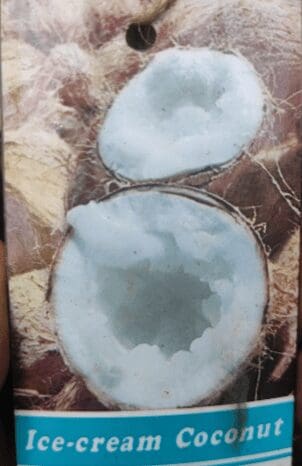
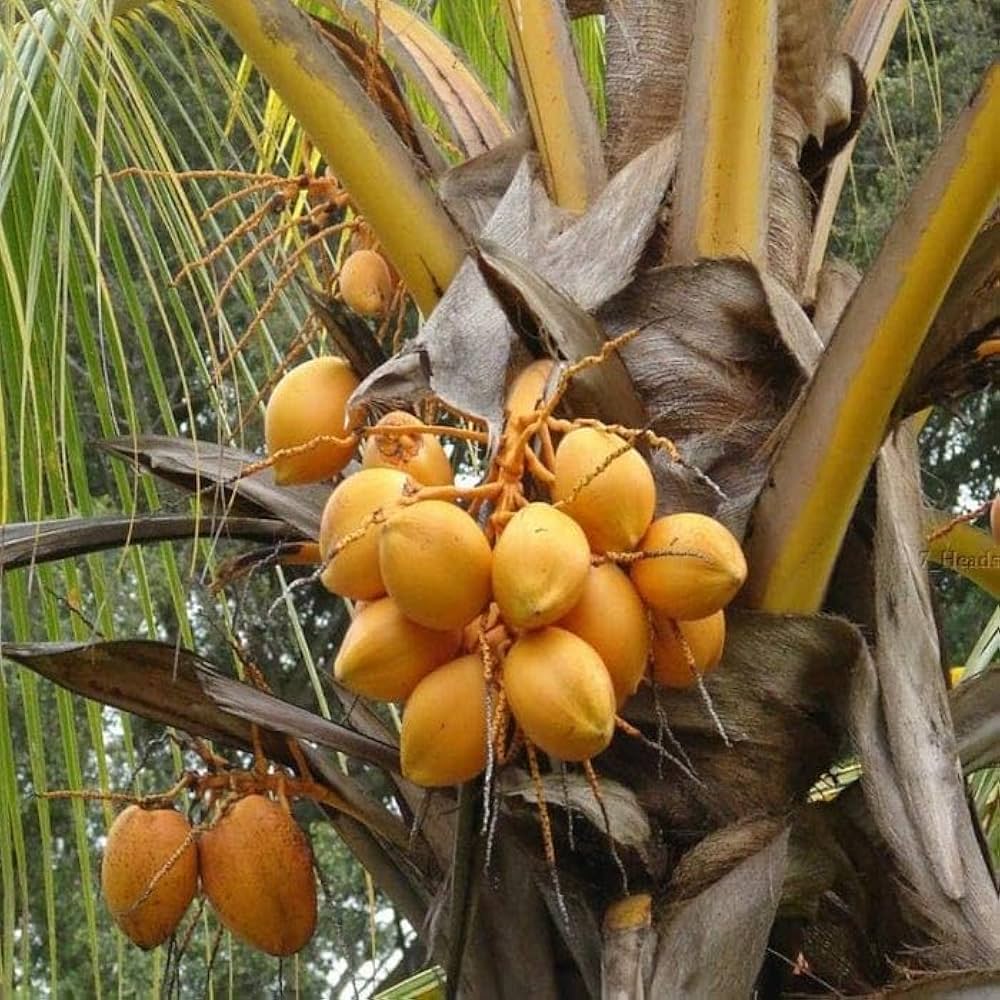
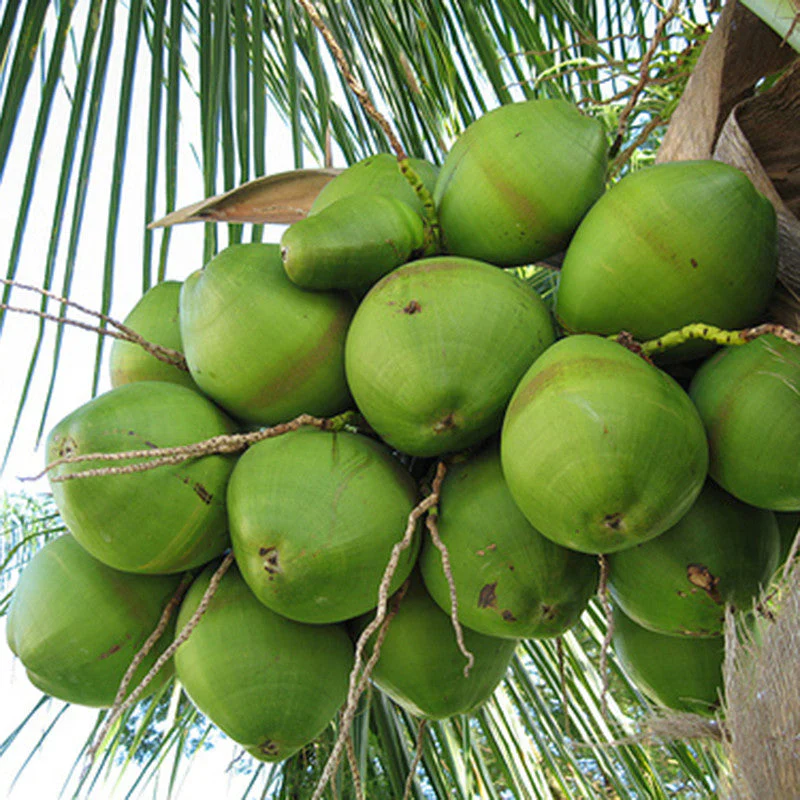
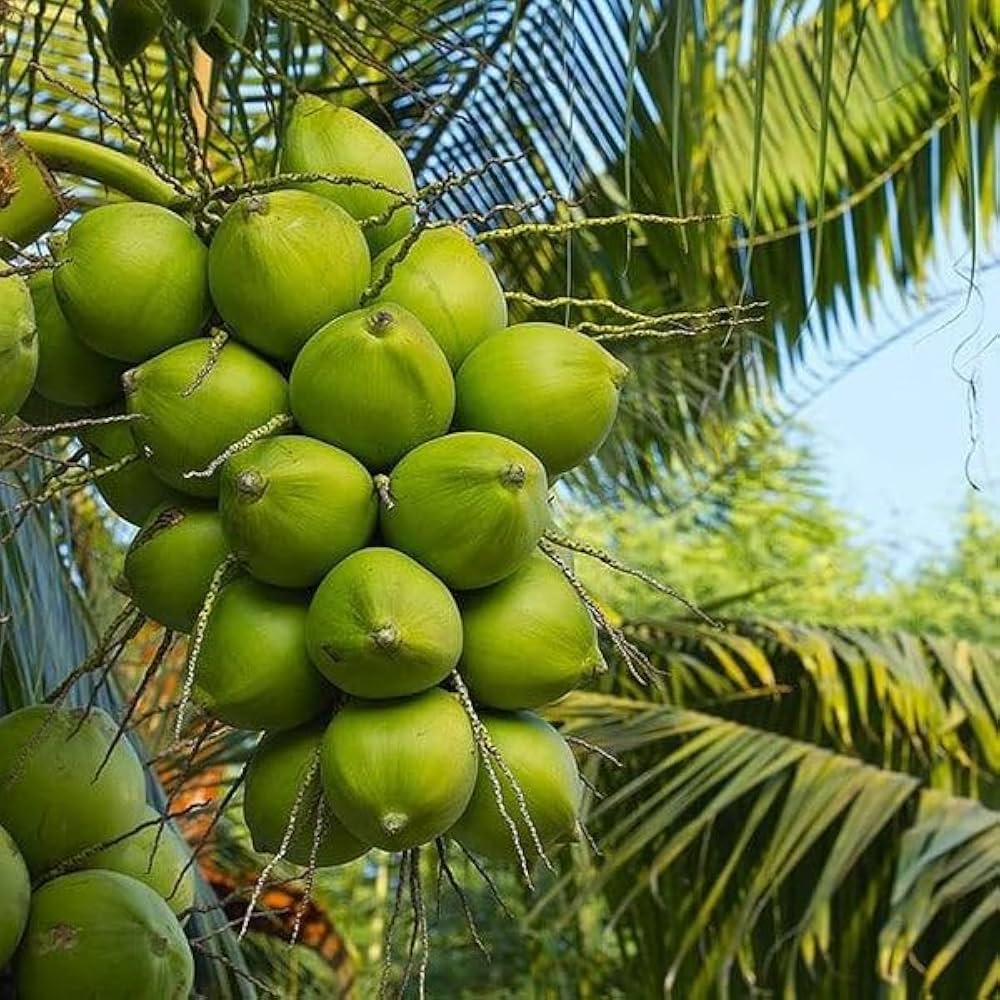
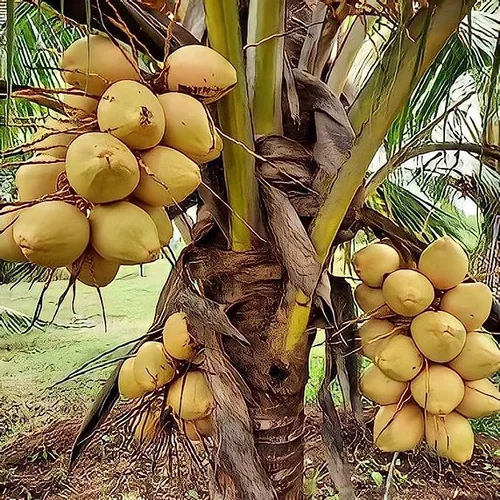
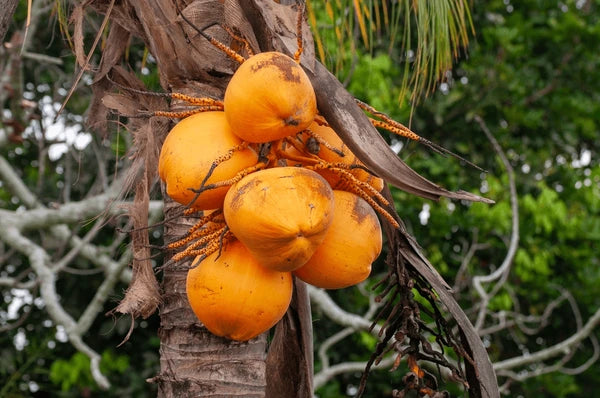
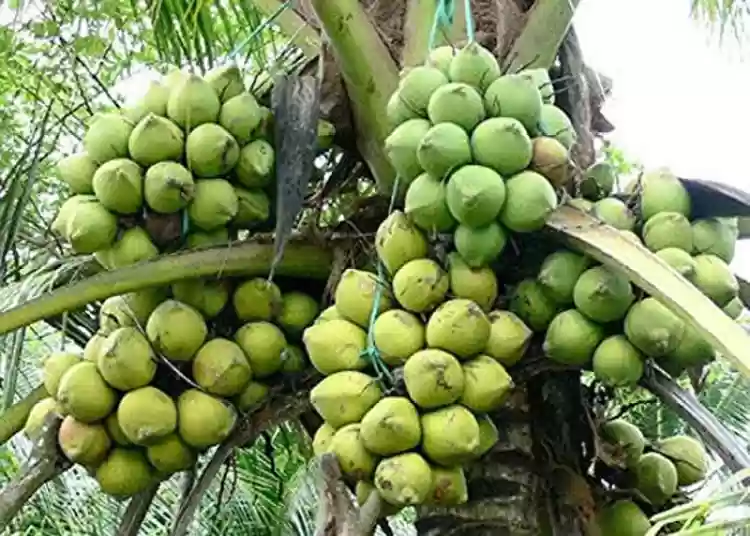
The Dhesivali coconut, a prized variety renowned for its exceptional taste and versatility, is a tropical delight that can elevate your culinary experiences. Cultivated in the fertile regions of India, this coconut offers a unique blend of sweetness and nuttiness.
Key Features & Benefits
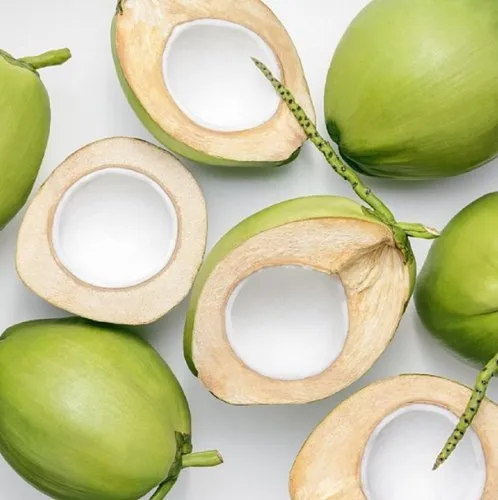
- Rich, Creamy Flesh: The Dhesivali coconut boasts a thick, creamy flesh that is perfect for grating, shredding, or drinking.
- Sweet, Refreshing Water: The clear, sweet water inside the coconut is a natural thirst quencher, rich in electrolytes.
- Versatile Culinary Uses: From curries and desserts to smoothies and cocktails, the Dhesivali coconut is a versatile ingredient that can enhance a wide range of dishes.
- Health Benefits: Coconuts are a good source of fiber, healthy fats, and essential minerals, promoting overall well-being.
- Eco-Friendly Packaging: Our Dhesivali coconuts are often packaged sustainably, minimizing environmental impact.
Plant Care Guide
Ideal Plantation Locations
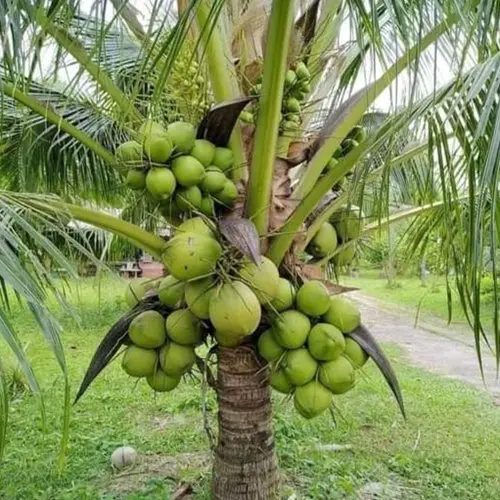
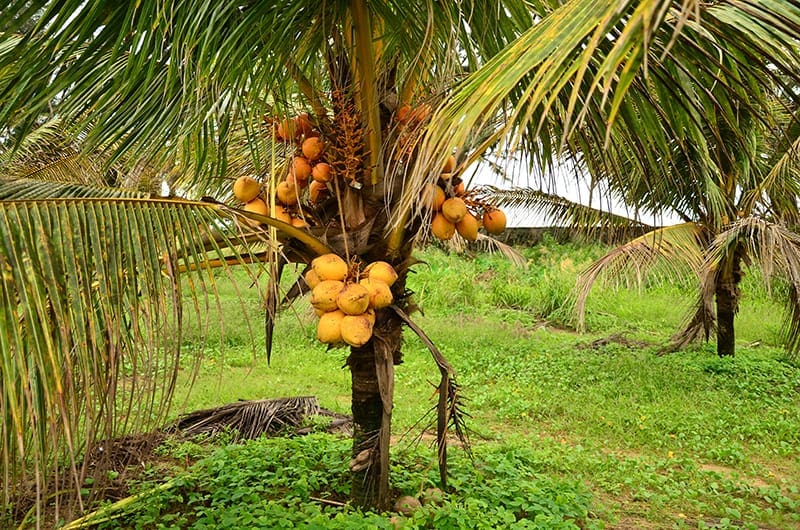
Dhesivali coconut trees thrive in tropical and subtropical climates with ample sunlight and well-drained soil. Coastal regions with high humidity are ideal for their growth.
Planting & Gardening Instructions
- Location: Choose a sunny location with well-drained soil.
- Soil Preparation: Prepare the soil by adding organic compost to improve its fertility and drainage.
- Planting: Plant the coconut seed or seedling at a depth of about 1 foot.
- Spacing: Plant the trees at a distance of 20-30 feet apart to allow for proper growth and development.
Watering
Water the young trees regularly, especially during dry periods. Once established, they can tolerate some drought.
Fertilizers
Apply a balanced fertilizer, such as a 10-10-10 NPK fertilizer, every 3-4 months during the growing season.
Repotting Instructions
Re-potting is generally not necessary for coconut trees, as they are typically grown outdoors. However, if you're growing a young coconut tree in a pot, repot it to a larger pot every 2-3 years.
Fruiting Season
Dhesivali coconut trees typically start fruiting 5-7 years after planting. The fruiting season varies depending on the specific cultivar and climatic conditions.
Usage Ideas
- Culinary: Use the flesh for cooking, baking, and drinking.
- Beauty: Coconut oil can be used for hair and skin care.
- Decorative: Coconut shells can be used for crafts and home decor.
Care Tips
- Pest Control: Monitor for pests like coconut scale and mealybugs. Treat infestations promptly with organic or chemical insecticides.
- Pruning: Prune the tree regularly to remove dead or diseased branches.
- Mulching: Apply a layer of organic mulch around the base of the tree to conserve moisture and suppress weeds.
Original: $1.77
-65%$1.77
$0.62Product Information
Product Information
Shipping & Returns
Shipping & Returns
Description
The Dhesivali coconut, a prized variety renowned for its exceptional taste and versatility, is a tropical delight that can elevate your culinary experiences. Cultivated in the fertile regions of India, this coconut offers a unique blend of sweetness and nuttiness.
Key Features & Benefits
- Rich, Creamy Flesh: The Dhesivali coconut boasts a thick, creamy flesh that is perfect for grating, shredding, or drinking.
- Sweet, Refreshing Water: The clear, sweet water inside the coconut is a natural thirst quencher, rich in electrolytes.
- Versatile Culinary Uses: From curries and desserts to smoothies and cocktails, the Dhesivali coconut is a versatile ingredient that can enhance a wide range of dishes.
- Health Benefits: Coconuts are a good source of fiber, healthy fats, and essential minerals, promoting overall well-being.
- Eco-Friendly Packaging: Our Dhesivali coconuts are often packaged sustainably, minimizing environmental impact.
Plant Care Guide
Ideal Plantation Locations
Dhesivali coconut trees thrive in tropical and subtropical climates with ample sunlight and well-drained soil. Coastal regions with high humidity are ideal for their growth.
Planting & Gardening Instructions
- Location: Choose a sunny location with well-drained soil.
- Soil Preparation: Prepare the soil by adding organic compost to improve its fertility and drainage.
- Planting: Plant the coconut seed or seedling at a depth of about 1 foot.
- Spacing: Plant the trees at a distance of 20-30 feet apart to allow for proper growth and development.
Watering
Water the young trees regularly, especially during dry periods. Once established, they can tolerate some drought.
Fertilizers
Apply a balanced fertilizer, such as a 10-10-10 NPK fertilizer, every 3-4 months during the growing season.
Repotting Instructions
Re-potting is generally not necessary for coconut trees, as they are typically grown outdoors. However, if you're growing a young coconut tree in a pot, repot it to a larger pot every 2-3 years.
Fruiting Season
Dhesivali coconut trees typically start fruiting 5-7 years after planting. The fruiting season varies depending on the specific cultivar and climatic conditions.
Usage Ideas
- Culinary: Use the flesh for cooking, baking, and drinking.
- Beauty: Coconut oil can be used for hair and skin care.
- Decorative: Coconut shells can be used for crafts and home decor.
Care Tips
- Pest Control: Monitor for pests like coconut scale and mealybugs. Treat infestations promptly with organic or chemical insecticides.
- Pruning: Prune the tree regularly to remove dead or diseased branches.
- Mulching: Apply a layer of organic mulch around the base of the tree to conserve moisture and suppress weeds.