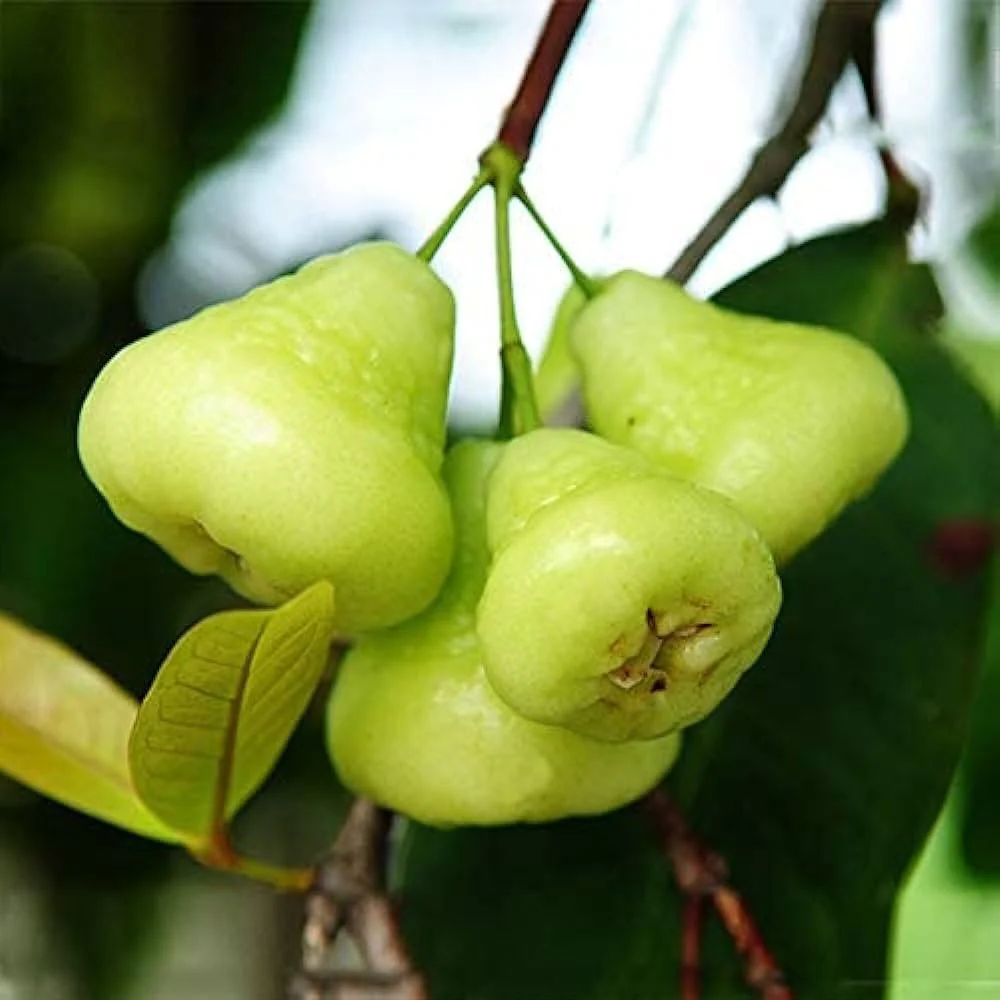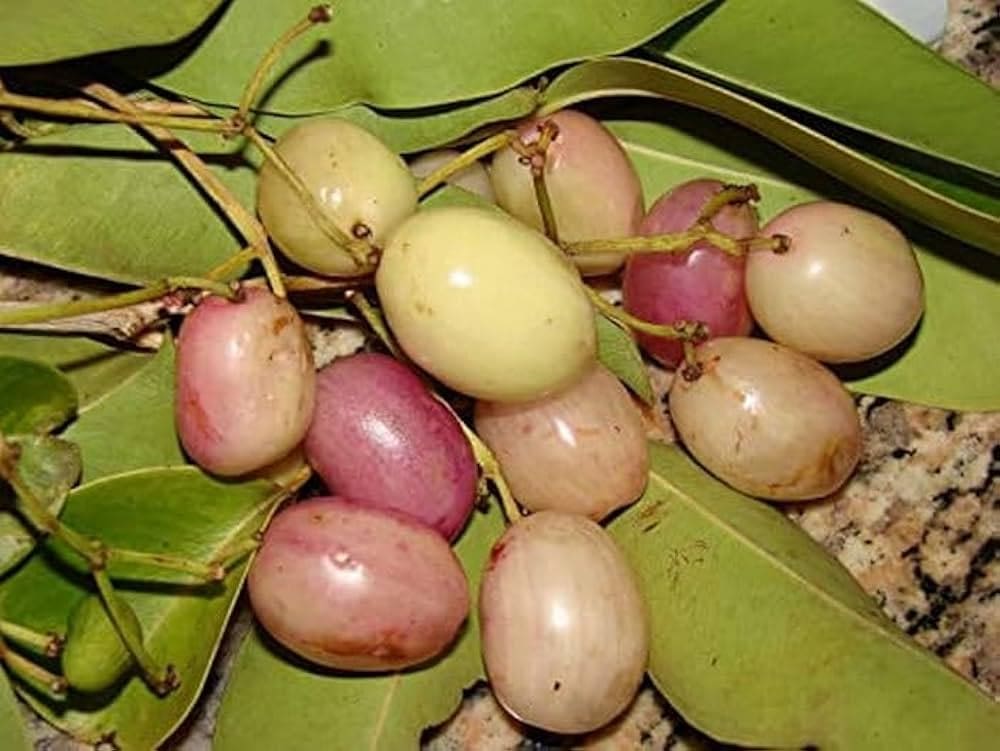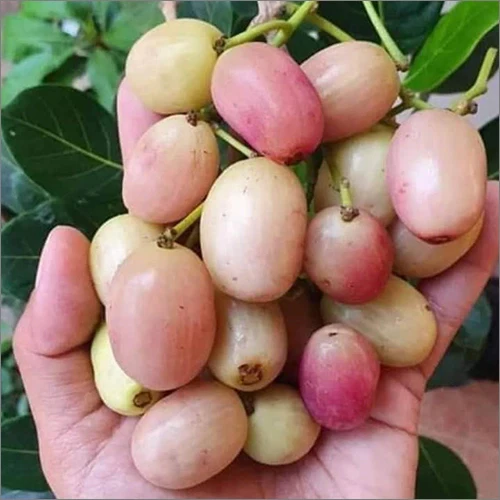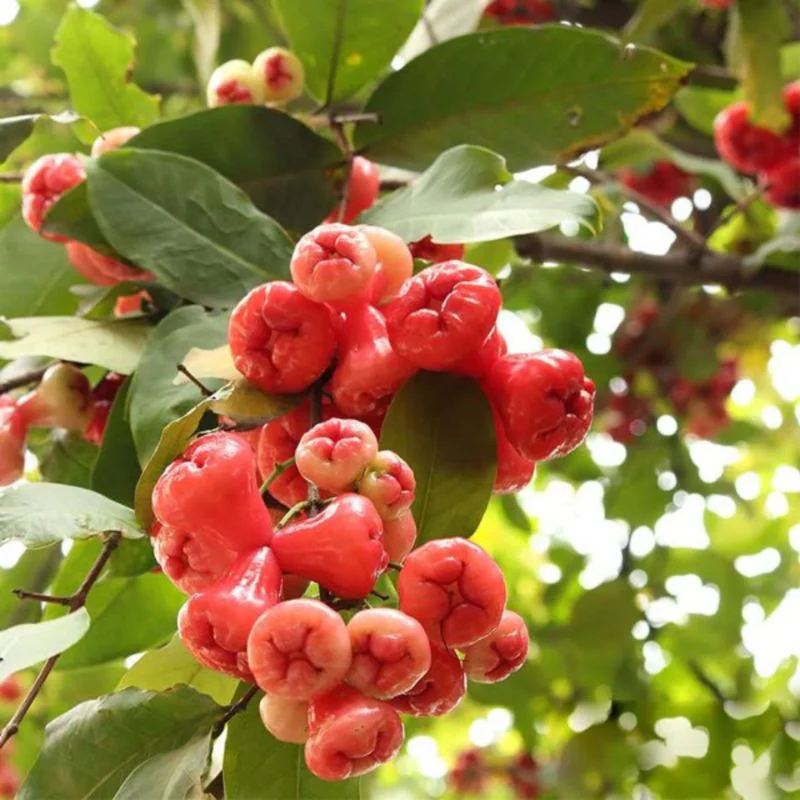
Dhalchina Chekka ( cinnamon ) Plant
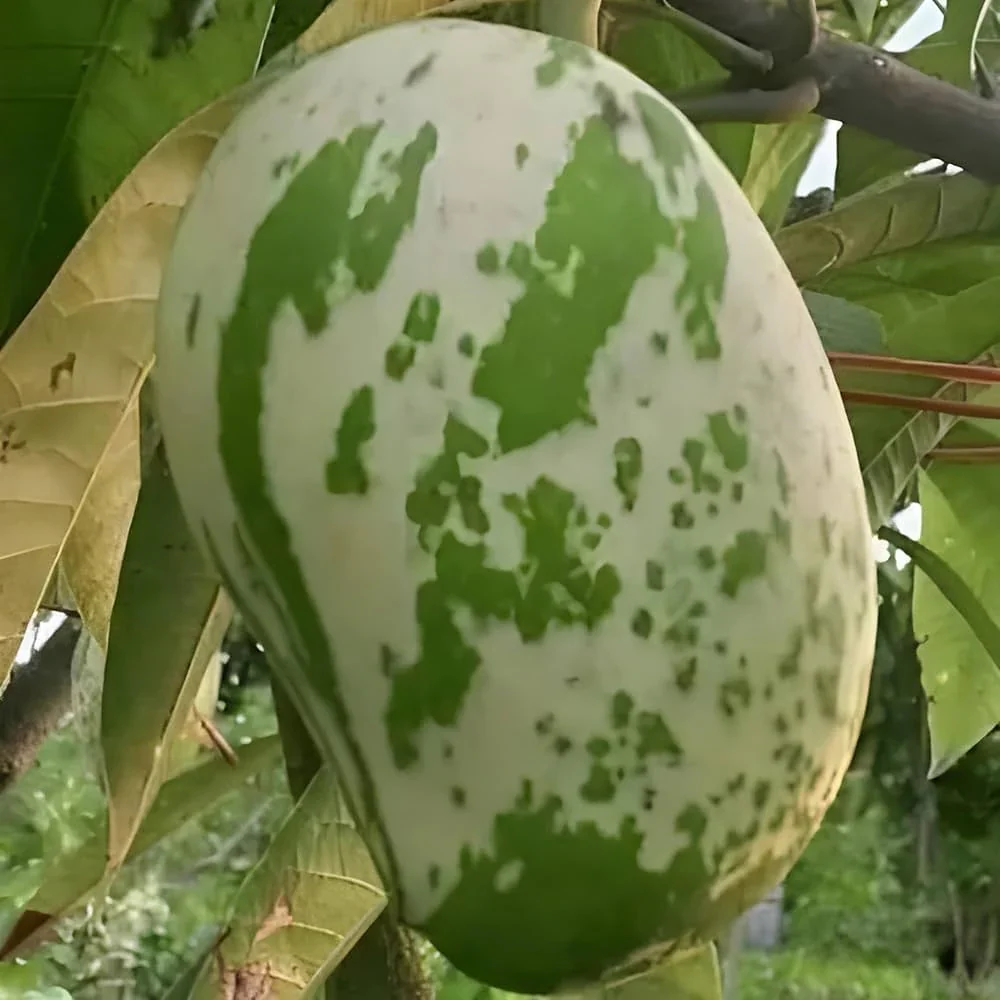
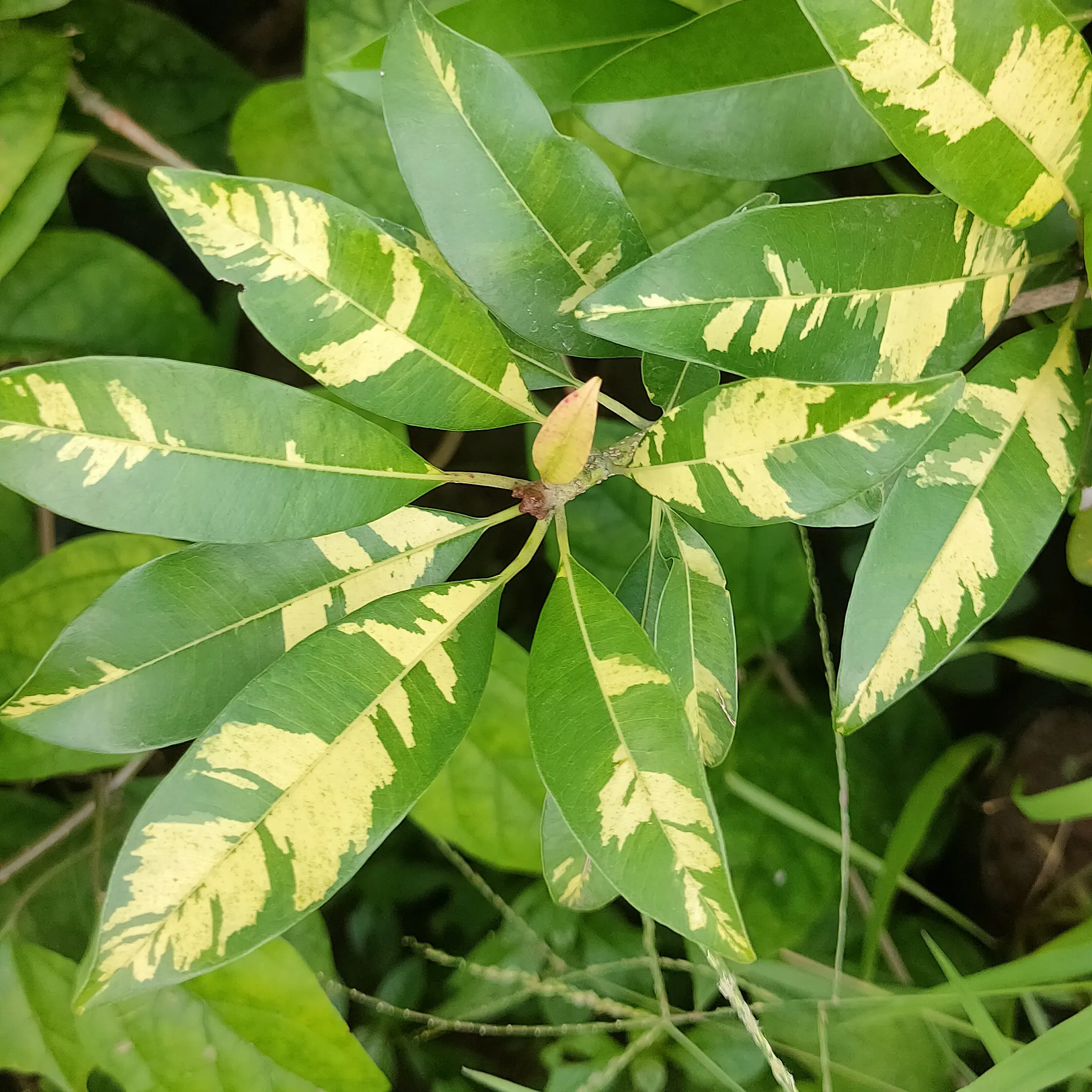
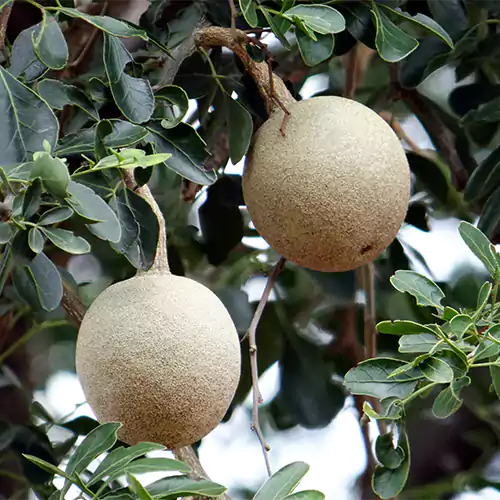
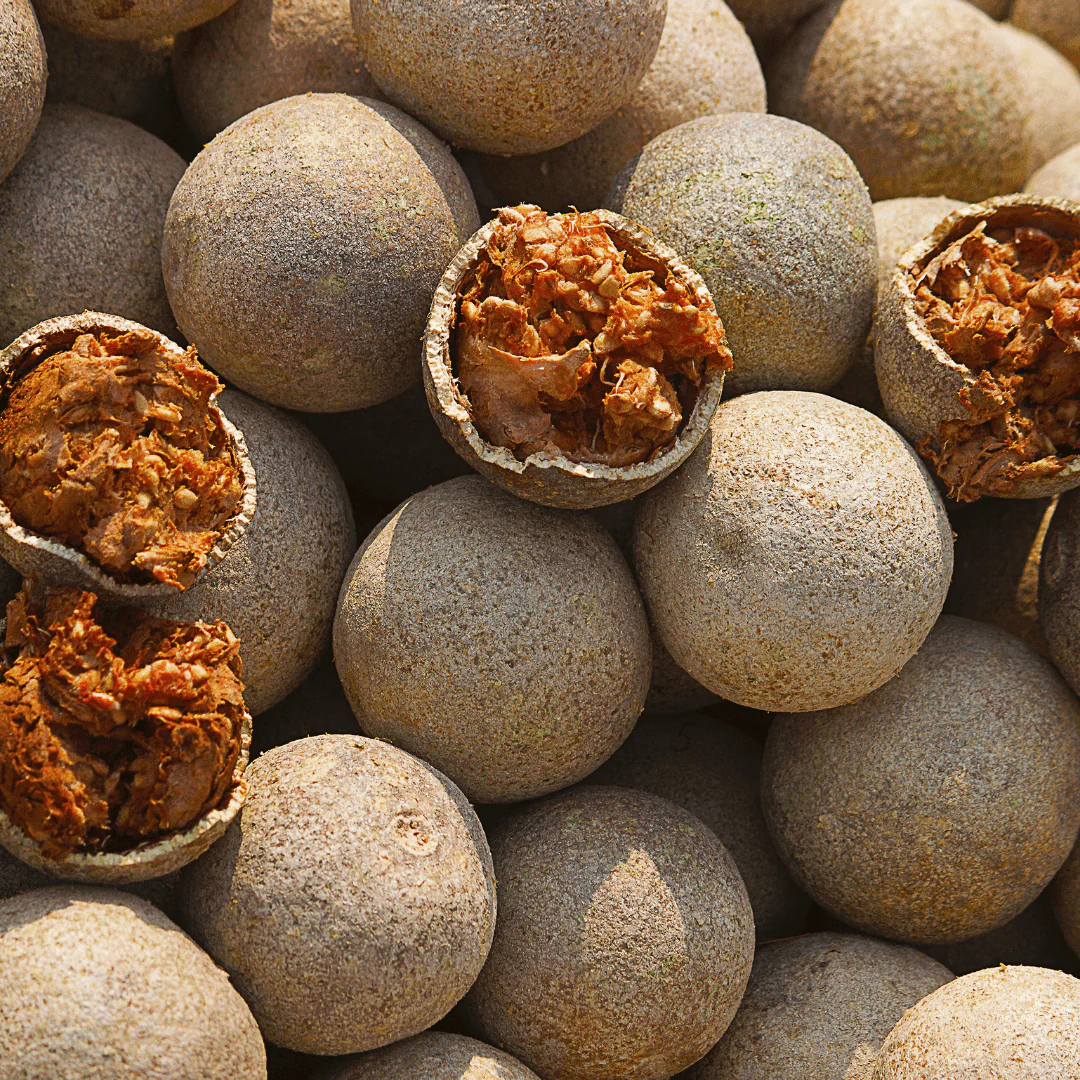
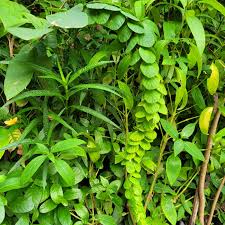
The Dhalchina Chekka (Cinnamon) Plant, scientifically known as Cinnamomum zeylanicum, is a captivating evergreen tree renowned for its aromatic bark, a beloved spice used globally. Cultivating this plant at home offers a unique opportunity to experience the magic of growing your own source of this flavorful and fragrant ingredient.
Key Features & Benefits
- Aromatic Beauty: The plant's lush green foliage and fragrant bark create a visually appealing and aromatically pleasing addition to any garden or indoor space.
- Culinary Versatility: Grow your own source of cinnamon for culinary delights, from baking and desserts to savory dishes and beverages.
- Medicinal Properties: Cinnamon is known for its potential health benefits, including anti-inflammatory and antioxidant properties.
- Decorative Appeal: The unique bark and foliage make it an attractive ornamental plant for landscaping and container gardening.
- Sustainable Living: Cultivating your own cinnamon promotes sustainable practices and reduces reliance on commercial sources.
Plant Care Guide
Ideal Plantation Locations
- Climate: Thrives in warm, humid tropical climates with ample rainfall.
- Soil: Prefers well-drained, fertile, and slightly acidic soil.
- Regions: Suitable for cultivation in tropical and subtropical regions.
Planting & Gardening Instructions
- Location: Choose a location with partial shade to full sun.
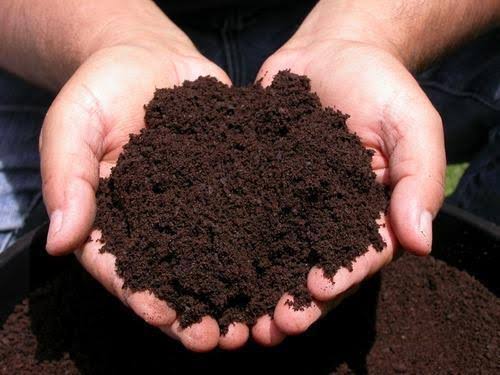
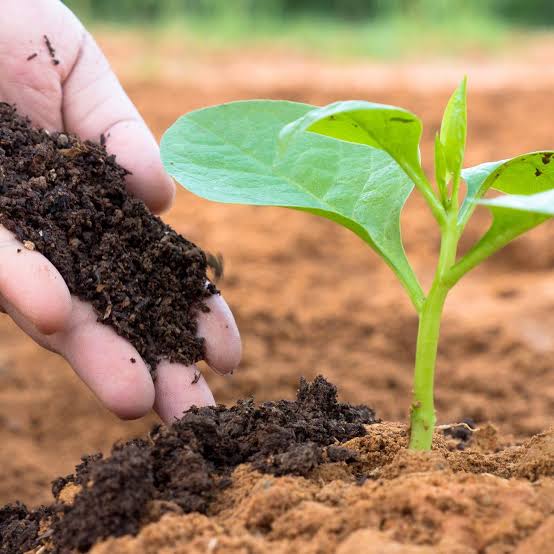
- Soil Preparation: Amend the soil with organic matter like compost or well-rotted manure to improve drainage and fertility.
- Planting: Plant the cinnamon seedling or sapling at the appropriate depth, ensuring the roots are well-covered.
- Spacing: Allow sufficient space between plants for proper growth and air circulation.
Watering
- Water regularly, especially during dry periods.
- Maintain consistent moisture but avoid overwatering, which can lead to root rot.
Fertilizers
- Fertilize with a balanced, slow-release fertilizer during the growing season.
- Organic fertilizers like compost tea or fish emulsion can also be beneficial.
Repotting Instructions
- Re-pot young plants annually into larger containers with fresh potting mix.
- For established plants, repot every 2-3 years as needed.
Fruiting Season
- Fruiting typically begins 3-5 years after planting.
- The peak fruiting season varies depending on the specific cultivar and climatic conditions.
Usage Ideas
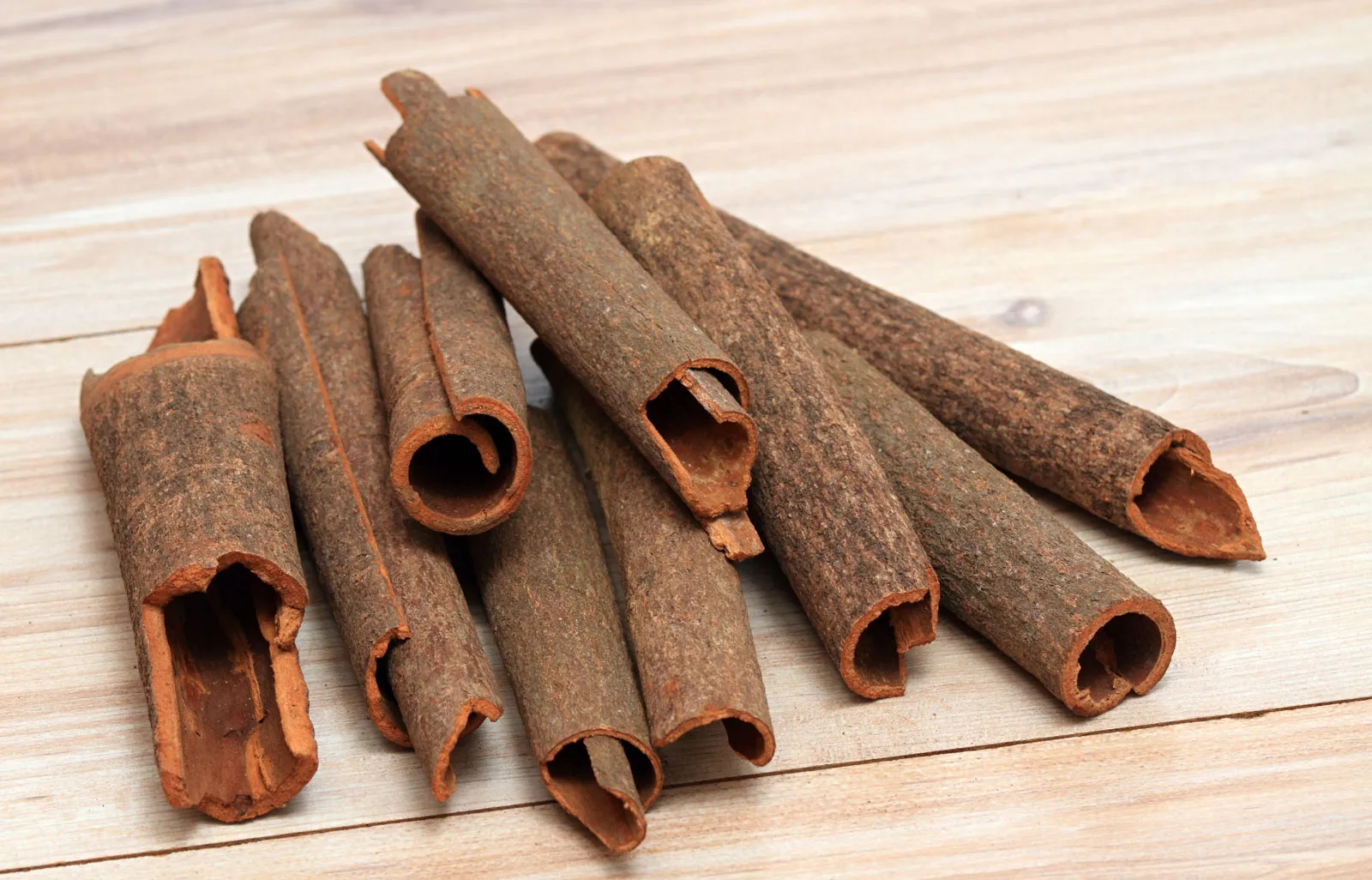
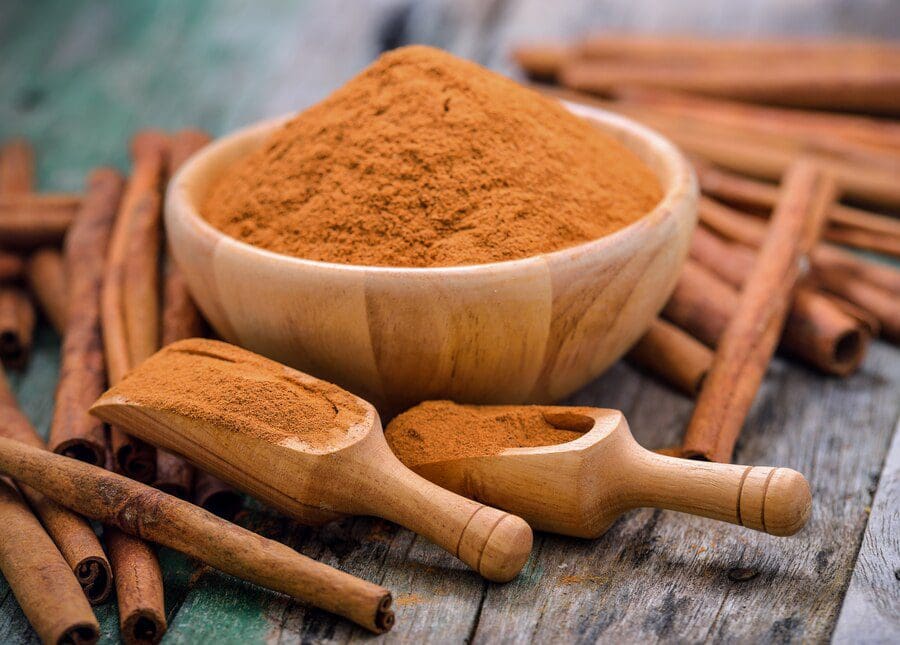
- Culinary: Use the bark to make cinnamon powder, sticks, or essential oil.
- Medicinal: Explore potential health benefits through traditional and modern applications.
- Ornamental: Cultivate as an attractive ornamental tree in gardens and landscapes.
- Gifting: Share cuttings or saplings with fellow gardening enthusiasts.
Care Tips
- Pest Control: Monitor for pests like scale insects and treat accordingly with organic or chemical methods.
- Pruning: Prune regularly to maintain shape and encourage healthy growth.
- Mulching: Apply a layer of organic mulch around the base of the plant to retain moisture and suppress weeds.
$0.80
Original: $2.29
-65%Dhalchina Chekka ( cinnamon ) Plant—
$2.29
$0.80Product Information
Product Information
Shipping & Returns
Shipping & Returns
Description
The Dhalchina Chekka (Cinnamon) Plant, scientifically known as Cinnamomum zeylanicum, is a captivating evergreen tree renowned for its aromatic bark, a beloved spice used globally. Cultivating this plant at home offers a unique opportunity to experience the magic of growing your own source of this flavorful and fragrant ingredient.
Key Features & Benefits
- Aromatic Beauty: The plant's lush green foliage and fragrant bark create a visually appealing and aromatically pleasing addition to any garden or indoor space.
- Culinary Versatility: Grow your own source of cinnamon for culinary delights, from baking and desserts to savory dishes and beverages.
- Medicinal Properties: Cinnamon is known for its potential health benefits, including anti-inflammatory and antioxidant properties.
- Decorative Appeal: The unique bark and foliage make it an attractive ornamental plant for landscaping and container gardening.
- Sustainable Living: Cultivating your own cinnamon promotes sustainable practices and reduces reliance on commercial sources.
Plant Care Guide
Ideal Plantation Locations
- Climate: Thrives in warm, humid tropical climates with ample rainfall.
- Soil: Prefers well-drained, fertile, and slightly acidic soil.
- Regions: Suitable for cultivation in tropical and subtropical regions.
Planting & Gardening Instructions
- Location: Choose a location with partial shade to full sun.
- Soil Preparation: Amend the soil with organic matter like compost or well-rotted manure to improve drainage and fertility.
- Planting: Plant the cinnamon seedling or sapling at the appropriate depth, ensuring the roots are well-covered.
- Spacing: Allow sufficient space between plants for proper growth and air circulation.
Watering
- Water regularly, especially during dry periods.
- Maintain consistent moisture but avoid overwatering, which can lead to root rot.
Fertilizers
- Fertilize with a balanced, slow-release fertilizer during the growing season.
- Organic fertilizers like compost tea or fish emulsion can also be beneficial.
Repotting Instructions
- Re-pot young plants annually into larger containers with fresh potting mix.
- For established plants, repot every 2-3 years as needed.
Fruiting Season
- Fruiting typically begins 3-5 years after planting.
- The peak fruiting season varies depending on the specific cultivar and climatic conditions.
Usage Ideas
- Culinary: Use the bark to make cinnamon powder, sticks, or essential oil.
- Medicinal: Explore potential health benefits through traditional and modern applications.
- Ornamental: Cultivate as an attractive ornamental tree in gardens and landscapes.
- Gifting: Share cuttings or saplings with fellow gardening enthusiasts.
Care Tips
- Pest Control: Monitor for pests like scale insects and treat accordingly with organic or chemical methods.
- Pruning: Prune regularly to maintain shape and encourage healthy growth.
- Mulching: Apply a layer of organic mulch around the base of the plant to retain moisture and suppress weeds.