Cannas
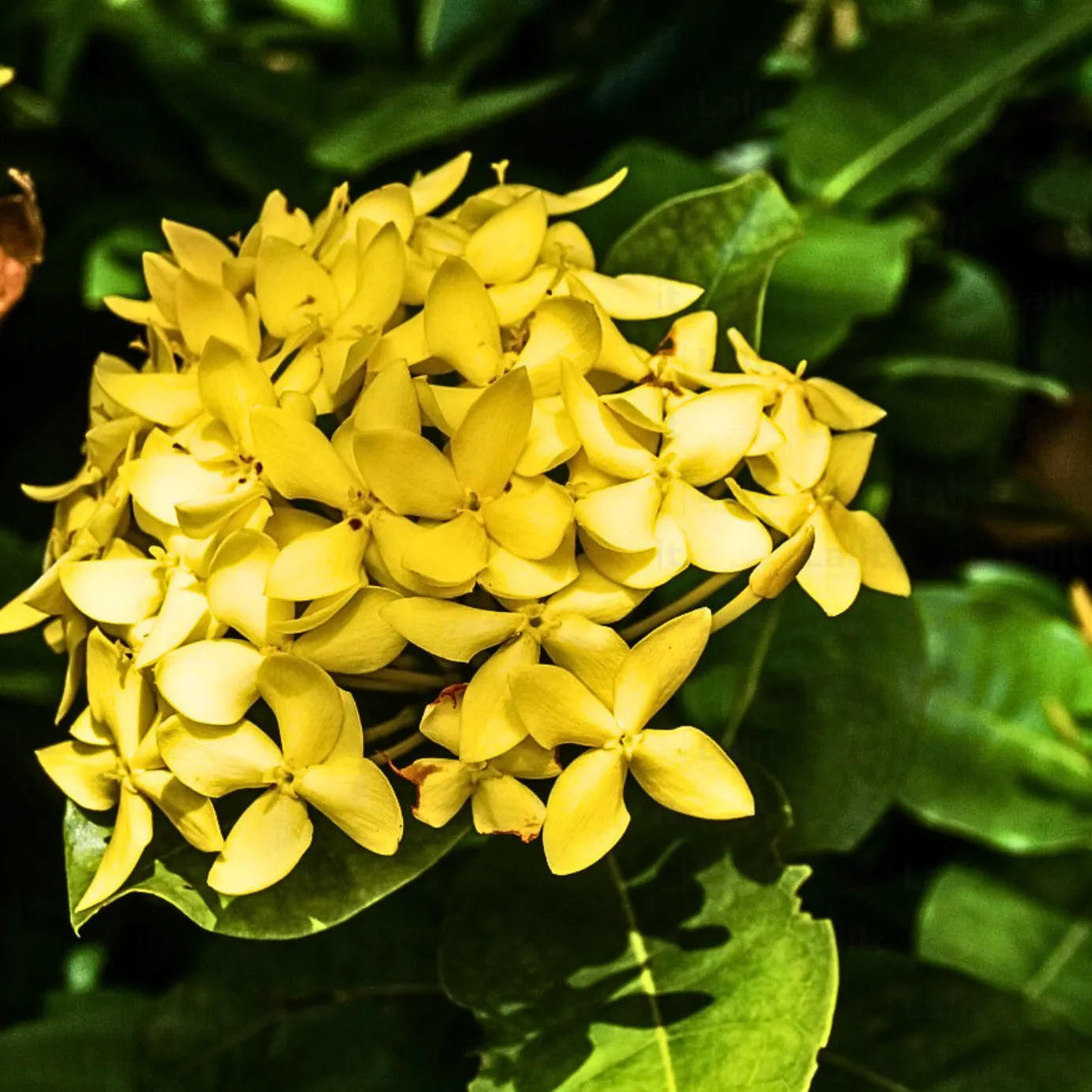
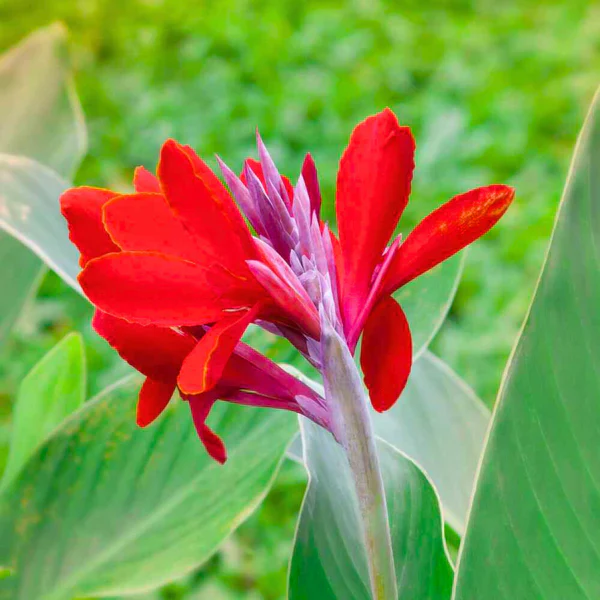
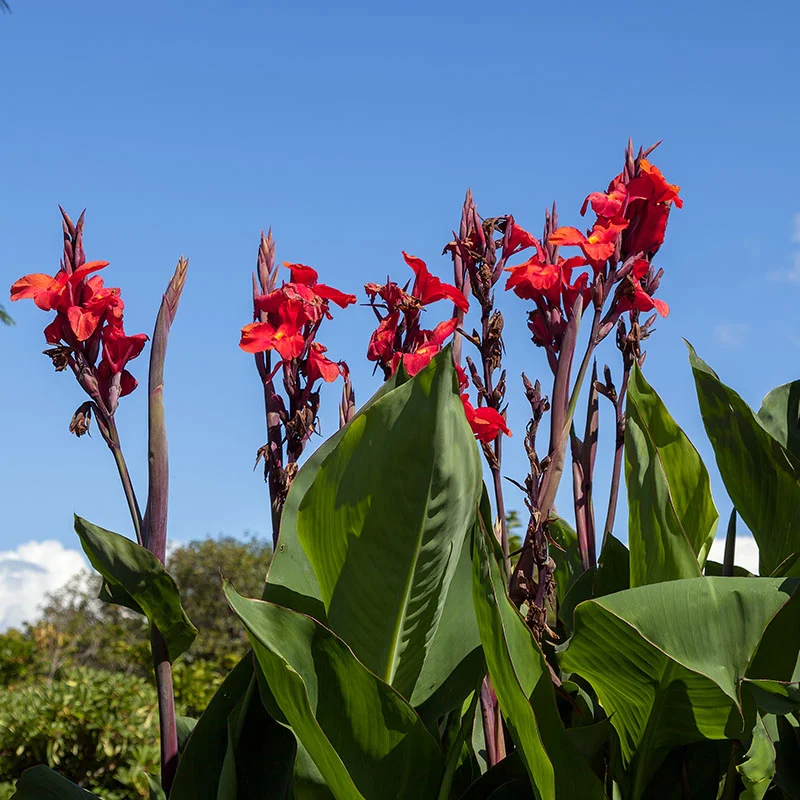
Cannas, with their bold, tropical foliage and vibrant flowers, are a stunning addition to any garden. These versatile plants are known for their adaptability and low-maintenance nature, making them a popular choice for both novice and experienced gardeners.
Key Features & Benefits
- Dramatic Foliage: Cannas boast large, showy leaves in various shades of green, red, and purple.
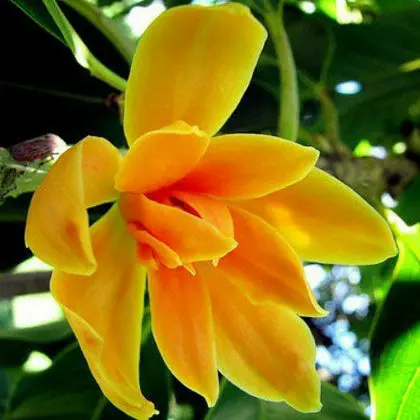
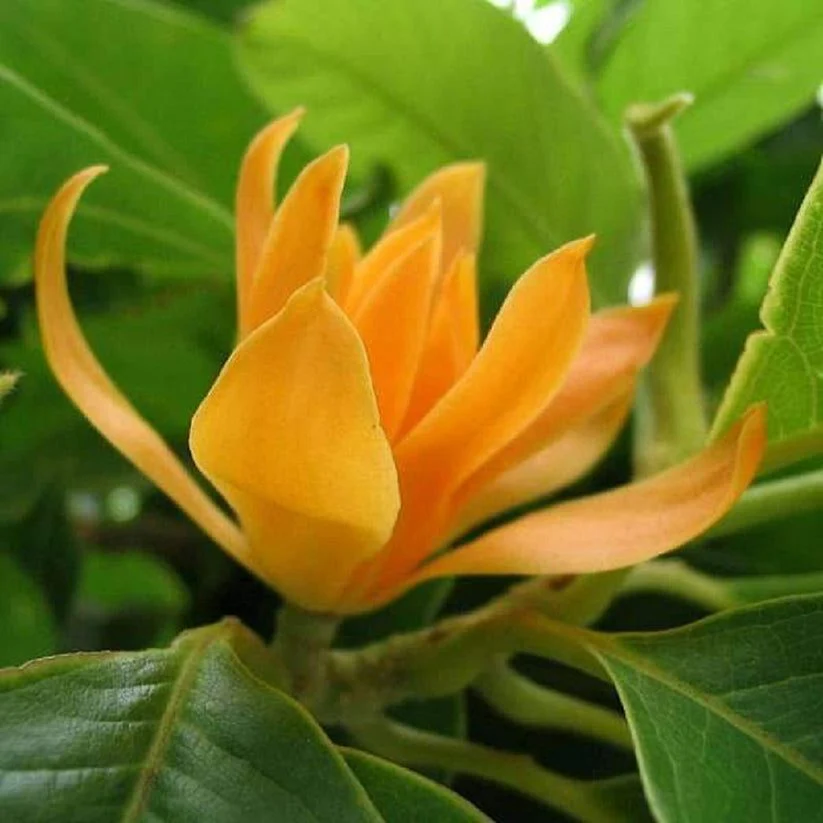
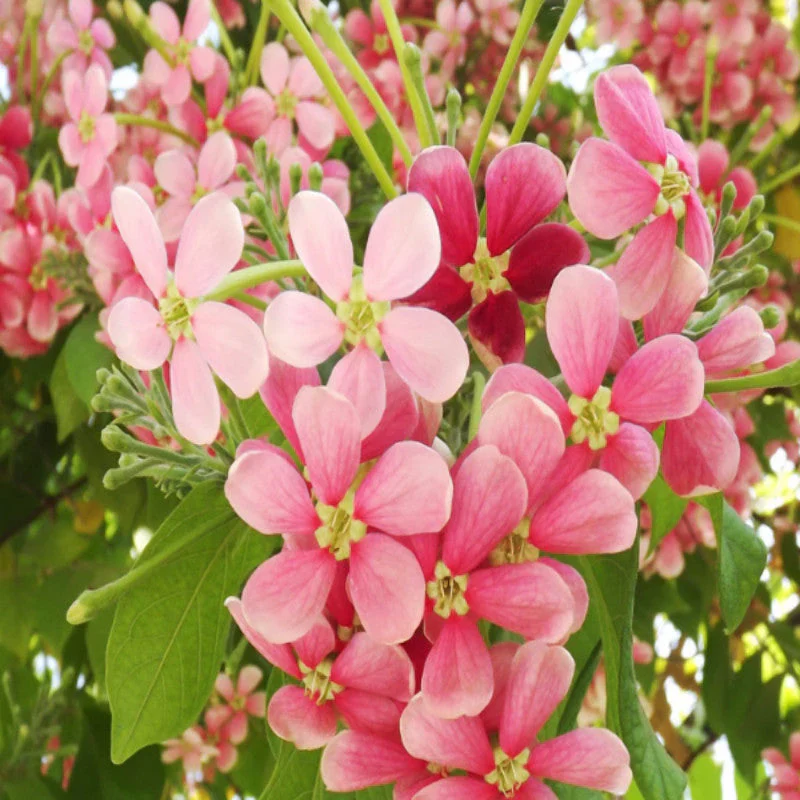
- Vibrant Flowers: The plant produces striking, colorful flowers in hues of red, pink, yellow, and orange.
- Easy Care: Cannas are relatively easy to grow and require minimal maintenance.
- Adaptability: These plants thrive in a wide range of climates, from tropical to temperate.
- Versatility: Cannas can be used as ornamental plants in gardens, containers, or as cut flowers.
Plant Care Guide
Ideal Plantation Locations
Cannas prefer full sun to partial shade and well-drained soil. They can be grown in tropical, subtropical, and temperate climates.
Planting & Gardening Instructions
- Location: Choose a sunny location with well-drained soil.
- Soil Preparation: Prepare the soil by adding compost or well-rotted manure to improve its fertility and drainage.
- Planting: Plant the canna rhizomes 6-8 inches deep and 18-24 inches apart.
- Spacing: Space the plants 2-3 feet apart.
Watering
Water the plants regularly, especially during dry periods. Allow the soil to dry slightly between waterings.
Fertilizers
Feed the plants with a balanced liquid fertilizer every 2-3 weeks during the growing season.
Repotting Instructions
Re-pot cannas rhizomes every 2-3 years, or when the pot becomes root-bound. Use a pot that is slightly larger than the current one and fresh, well-draining potting mix.
Fruiting Season
Cannas are primarily grown for their ornamental foliage and flowers, rather than fruit.
Usage Ideas
- Ornamental Plants: Cannas can be used as standalone plants or in mixed borders.
- Container Gardening: They can be grown in large containers on patios or balconies.
- Cut Flowers: The vibrant flowers can be cut and used in floral arrangements.
Care Tips
- Pest Control: Keep an eye out for pests like aphids and spider mites. Treat infestations with insecticidal soap or neem oil.
- Winter Protection: In colder climates, dig up the rhizomes before the first frost and store them in a cool, dry place.
- Pruning: Remove faded flowers and damaged foliage to encourage new growth.
- Mulching: Apply a layer of mulch around the plants to help retain moisture and suppress weeds.
Original: $1.46
-65%$1.46
$0.51Product Information
Product Information
Shipping & Returns
Shipping & Returns
Description
Cannas, with their bold, tropical foliage and vibrant flowers, are a stunning addition to any garden. These versatile plants are known for their adaptability and low-maintenance nature, making them a popular choice for both novice and experienced gardeners.
Key Features & Benefits
- Dramatic Foliage: Cannas boast large, showy leaves in various shades of green, red, and purple.
- Vibrant Flowers: The plant produces striking, colorful flowers in hues of red, pink, yellow, and orange.
- Easy Care: Cannas are relatively easy to grow and require minimal maintenance.
- Adaptability: These plants thrive in a wide range of climates, from tropical to temperate.
- Versatility: Cannas can be used as ornamental plants in gardens, containers, or as cut flowers.
Plant Care Guide
Ideal Plantation Locations
Cannas prefer full sun to partial shade and well-drained soil. They can be grown in tropical, subtropical, and temperate climates.
Planting & Gardening Instructions
- Location: Choose a sunny location with well-drained soil.
- Soil Preparation: Prepare the soil by adding compost or well-rotted manure to improve its fertility and drainage.
- Planting: Plant the canna rhizomes 6-8 inches deep and 18-24 inches apart.
- Spacing: Space the plants 2-3 feet apart.
Watering
Water the plants regularly, especially during dry periods. Allow the soil to dry slightly between waterings.
Fertilizers
Feed the plants with a balanced liquid fertilizer every 2-3 weeks during the growing season.
Repotting Instructions
Re-pot cannas rhizomes every 2-3 years, or when the pot becomes root-bound. Use a pot that is slightly larger than the current one and fresh, well-draining potting mix.
Fruiting Season
Cannas are primarily grown for their ornamental foliage and flowers, rather than fruit.
Usage Ideas
- Ornamental Plants: Cannas can be used as standalone plants or in mixed borders.
- Container Gardening: They can be grown in large containers on patios or balconies.
- Cut Flowers: The vibrant flowers can be cut and used in floral arrangements.
Care Tips
- Pest Control: Keep an eye out for pests like aphids and spider mites. Treat infestations with insecticidal soap or neem oil.
- Winter Protection: In colder climates, dig up the rhizomes before the first frost and store them in a cool, dry place.
- Pruning: Remove faded flowers and damaged foliage to encourage new growth.
- Mulching: Apply a layer of mulch around the plants to help retain moisture and suppress weeds.