California Sapota / Chiku ( Grafted )
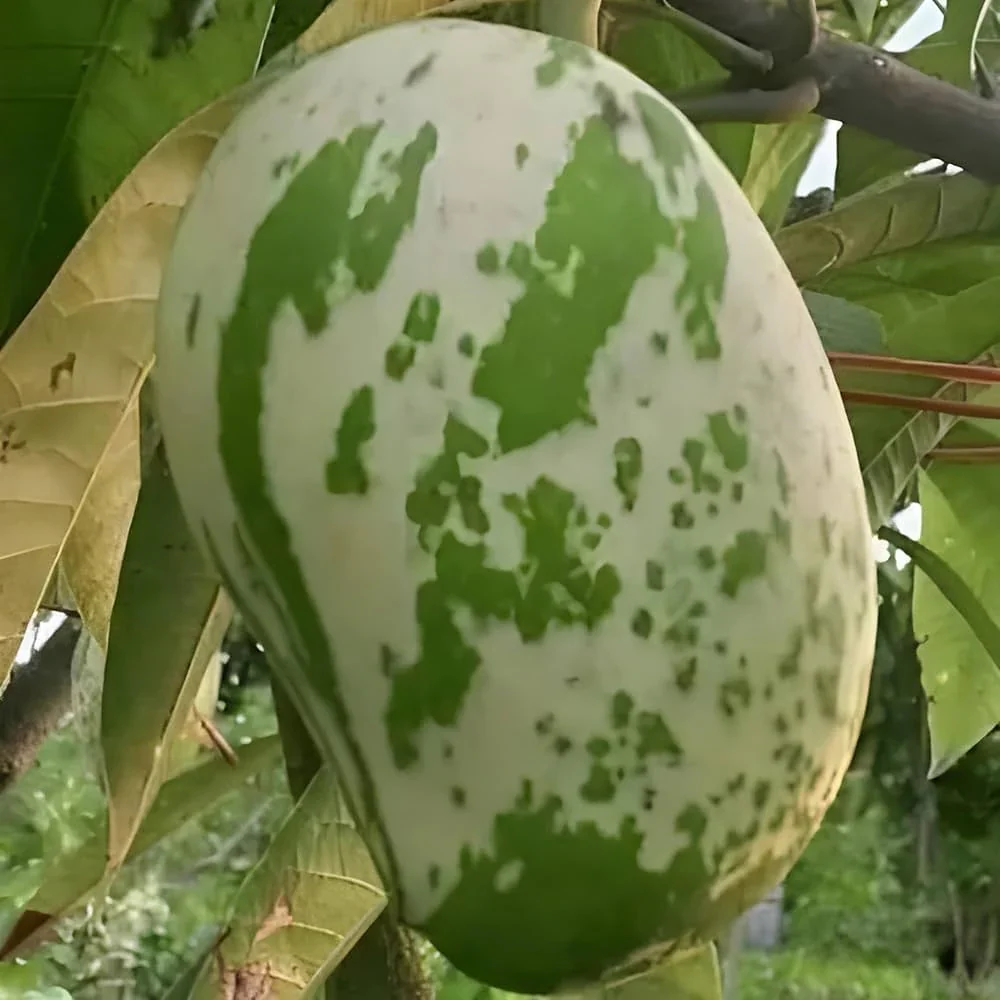
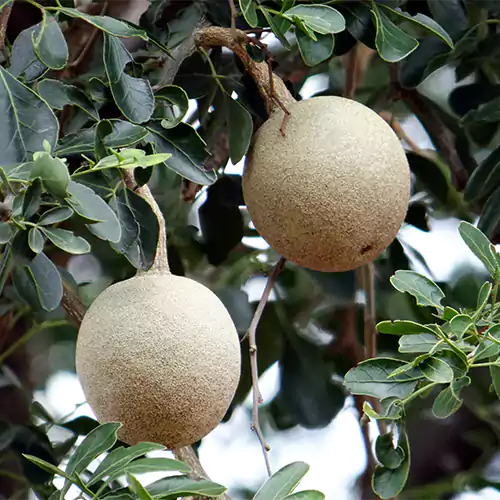
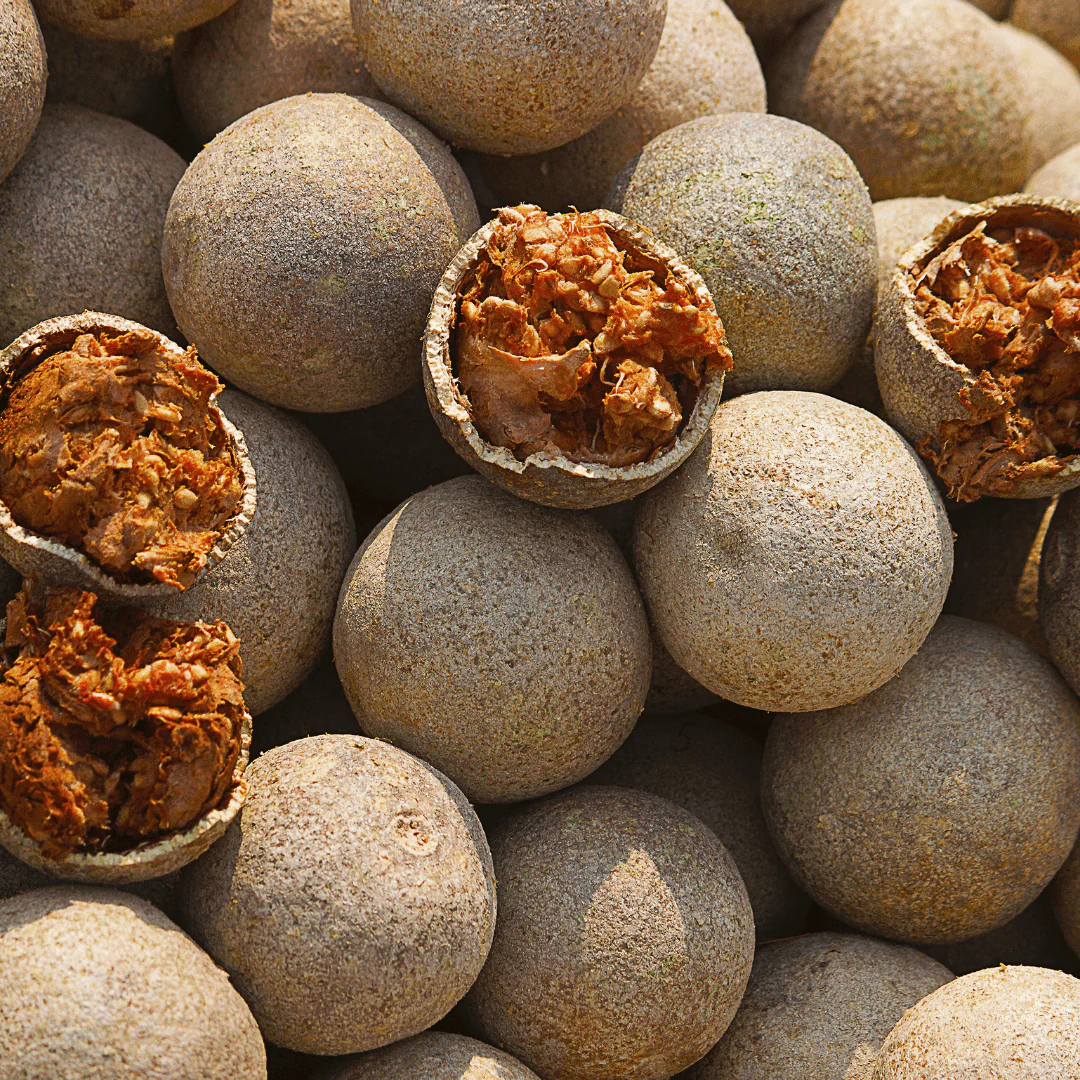
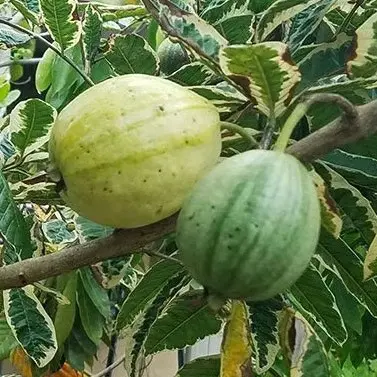
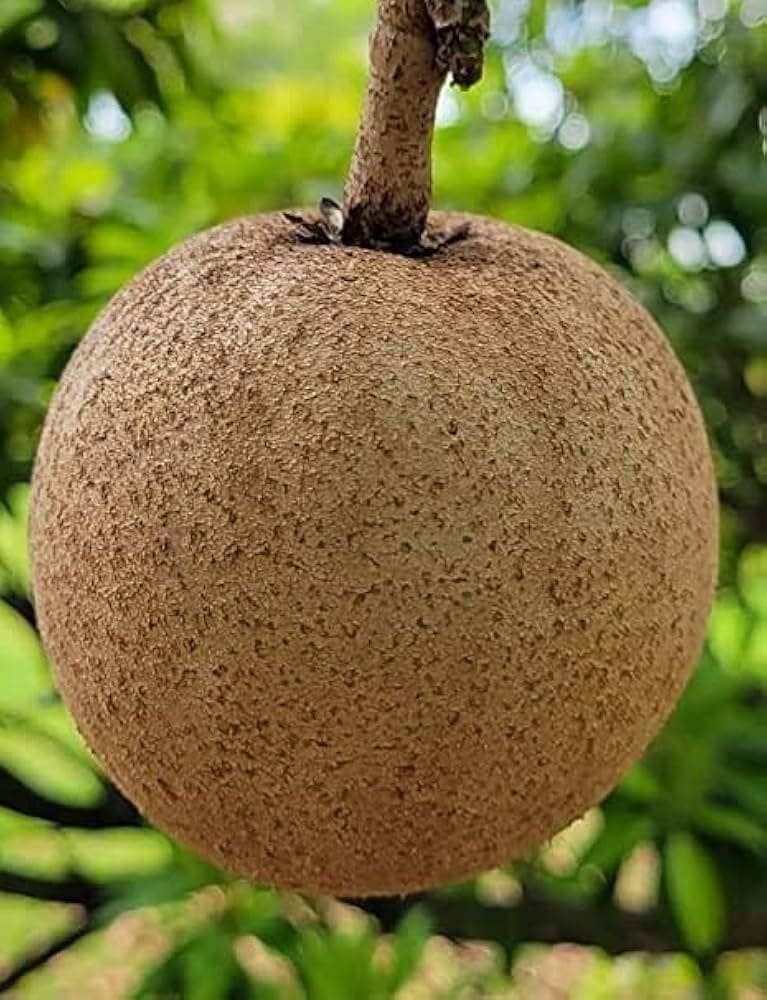
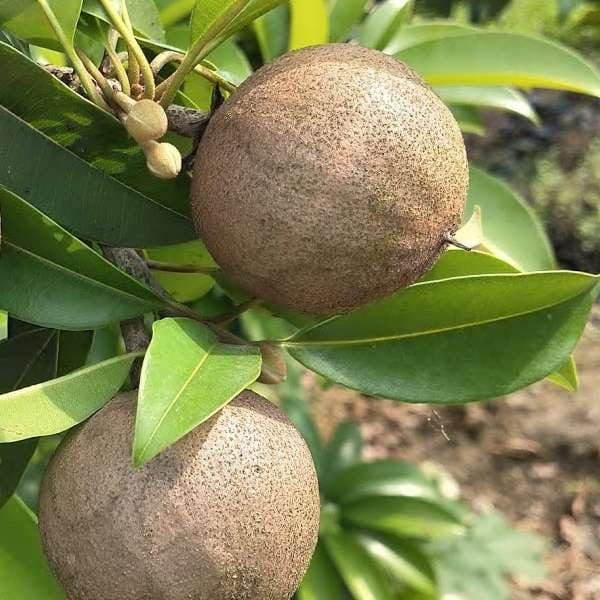
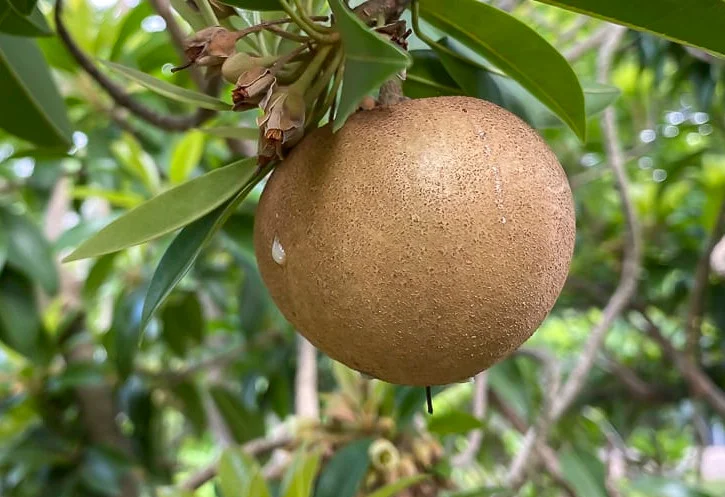
Experience the sweetness of the tropics with our premium California Sapota / Chiku (Graft) plant. This exquisite fruit tree is renowned for producing large, deep-brown fruits with a unique, creamy texture and a delightful, sweet flavor. Our grafted varieties ensure consistent fruiting and faster maturity, bringing you the joy of homegrown Chiku sooner.
Key Features & Benefits
- Grafting Advantage: Ensures consistent fruiting, faster maturity, and superior fruit quality compared to seed-grown plants.
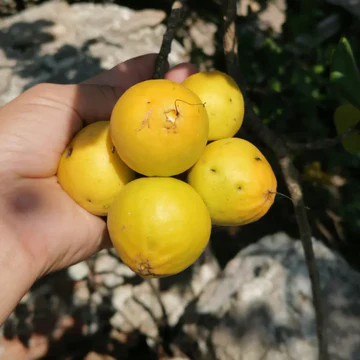
- Delicious Fruit: Produces large, sweet, and creamy Chiku fruits with a unique flavor.
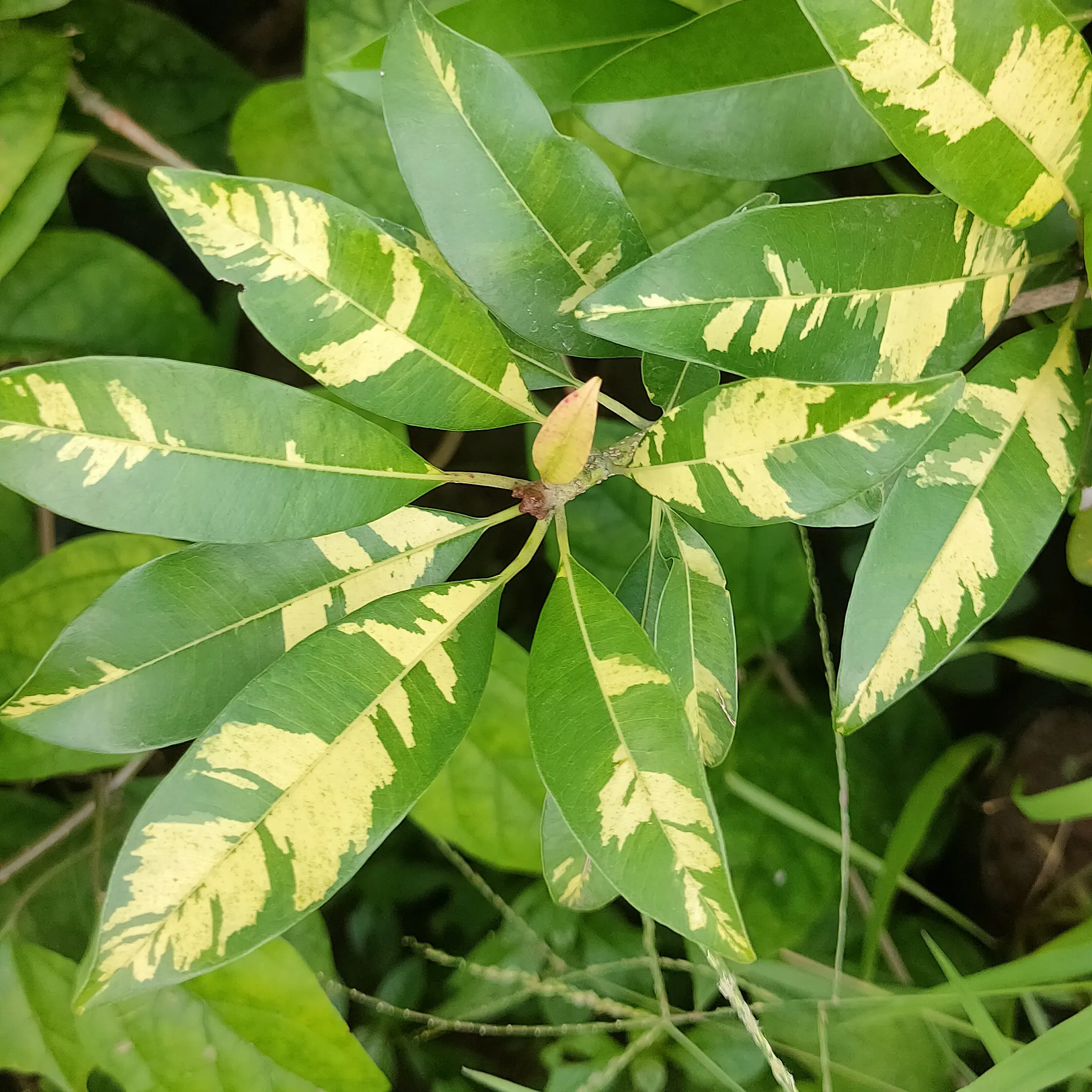
- Ornamental Value: Adds a touch of tropical elegance to your garden with its lush green foliage.
- Easy to Grow: Relatively low-maintenance and suitable for both experienced and novice gardeners.
- Homegrown Goodness: Enjoy the satisfaction of cultivating your own fresh and healthy Chiku fruits.
Plant Care Guide
Ideal Plantation Locations
California Sapota thrives in warm, tropical, and subtropical climates with ample sunshine. It prefers well-drained, fertile soil with a slightly acidic to neutral pH. Suitable regions include coastal areas and warm inland valleys.
Planting & Gardening Instructions
- Location: Choose a sunny location with at least 6-8 hours of direct sunlight per day.
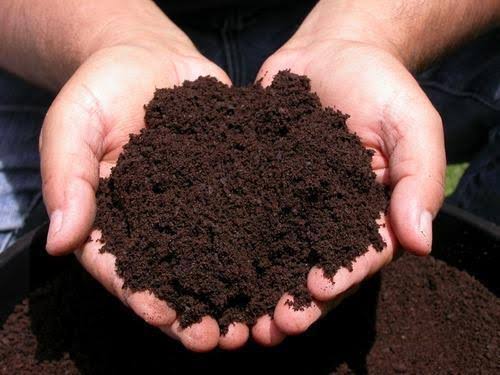
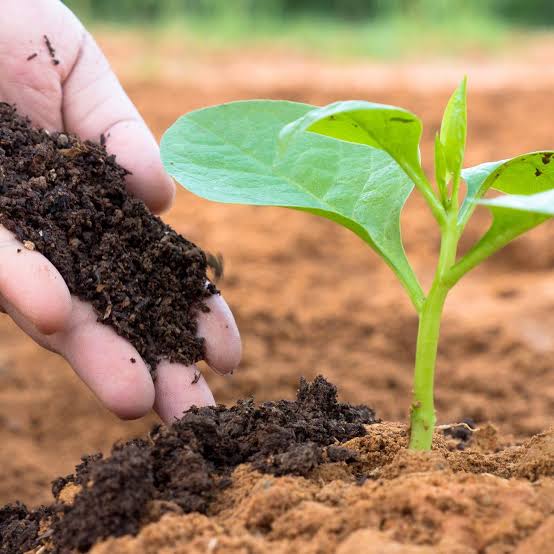
- Soil Preparation: Prepare the soil by digging a hole slightly larger than the root ball. Amend the soil with well-rotted organic matter like compost or manure.
- Planting: Gently place the grafted plant in the hole, ensuring the graft union is above the soil line. Back-fill with the prepared soil, firming it gently around the roots.
- Spacing: Plant California Sapota trees at a distance of 15-20 feet apart to allow for proper growth and air circulation.
Watering
Water the plant deeply and regularly, especially during the initial establishment phase. Reduce watering frequency as the tree matures, but ensure the soil remains consistently moist but not waterlogged.
Fertilizers
Fertilize the tree with a balanced, slow-release fertilizer during the growing season (spring and summer). Apply organic fertilizers like compost tea or fish emulsion to enhance soil health and promote healthy growth.
Repotting Instructions
Re-pot young California Sapota trees annually in slightly larger containers using well-draining potting mix. Repotting older trees is generally not necessary unless the roots are severely pot-bound.
Fruiting Season
Fruiting typically begins 2-3 years after planting, depending on the variety and growing conditions. The main fruiting season usually occurs during the summer months.
Usage Ideas
- Home Garden: Grow your own delicious Chiku fruits for fresh consumption, juices, or desserts.
- Ornamental Tree: Add a touch of tropical beauty to your landscape.
- Gifting: A perfect gift for gardening enthusiasts and fruit lovers.
Care Tips
- Pest and Disease Control: Monitor for common pests like mealybugs and scale insects. Control them using organic methods like neem oil or insecticidal soap.
- Pruning: Prune young trees to establish a strong central leader and maintain an open canopy. Light pruning can be done to remove dead or crossing branches.
-
Mulching: Apply a layer of organic mulch around the base of the tree to conserve moisture, suppress weeds, and regulate soil temperature.
Original: $6.28
-65%$6.28
$2.20Product Information
Product Information
Shipping & Returns
Shipping & Returns
Description
Experience the sweetness of the tropics with our premium California Sapota / Chiku (Graft) plant. This exquisite fruit tree is renowned for producing large, deep-brown fruits with a unique, creamy texture and a delightful, sweet flavor. Our grafted varieties ensure consistent fruiting and faster maturity, bringing you the joy of homegrown Chiku sooner.
Key Features & Benefits
- Grafting Advantage: Ensures consistent fruiting, faster maturity, and superior fruit quality compared to seed-grown plants.
- Delicious Fruit: Produces large, sweet, and creamy Chiku fruits with a unique flavor.
- Ornamental Value: Adds a touch of tropical elegance to your garden with its lush green foliage.
- Easy to Grow: Relatively low-maintenance and suitable for both experienced and novice gardeners.
- Homegrown Goodness: Enjoy the satisfaction of cultivating your own fresh and healthy Chiku fruits.
Plant Care Guide
Ideal Plantation Locations
California Sapota thrives in warm, tropical, and subtropical climates with ample sunshine. It prefers well-drained, fertile soil with a slightly acidic to neutral pH. Suitable regions include coastal areas and warm inland valleys.
Planting & Gardening Instructions
- Location: Choose a sunny location with at least 6-8 hours of direct sunlight per day.
- Soil Preparation: Prepare the soil by digging a hole slightly larger than the root ball. Amend the soil with well-rotted organic matter like compost or manure.
- Planting: Gently place the grafted plant in the hole, ensuring the graft union is above the soil line. Back-fill with the prepared soil, firming it gently around the roots.
- Spacing: Plant California Sapota trees at a distance of 15-20 feet apart to allow for proper growth and air circulation.
Watering
Water the plant deeply and regularly, especially during the initial establishment phase. Reduce watering frequency as the tree matures, but ensure the soil remains consistently moist but not waterlogged.
Fertilizers
Fertilize the tree with a balanced, slow-release fertilizer during the growing season (spring and summer). Apply organic fertilizers like compost tea or fish emulsion to enhance soil health and promote healthy growth.
Repotting Instructions
Re-pot young California Sapota trees annually in slightly larger containers using well-draining potting mix. Repotting older trees is generally not necessary unless the roots are severely pot-bound.
Fruiting Season
Fruiting typically begins 2-3 years after planting, depending on the variety and growing conditions. The main fruiting season usually occurs during the summer months.
Usage Ideas
- Home Garden: Grow your own delicious Chiku fruits for fresh consumption, juices, or desserts.
- Ornamental Tree: Add a touch of tropical beauty to your landscape.
- Gifting: A perfect gift for gardening enthusiasts and fruit lovers.
Care Tips
- Pest and Disease Control: Monitor for common pests like mealybugs and scale insects. Control them using organic methods like neem oil or insecticidal soap.
- Pruning: Prune young trees to establish a strong central leader and maintain an open canopy. Light pruning can be done to remove dead or crossing branches.
-
Mulching: Apply a layer of organic mulch around the base of the tree to conserve moisture, suppress weeds, and regulate soil temperature.