Bleeding Heart
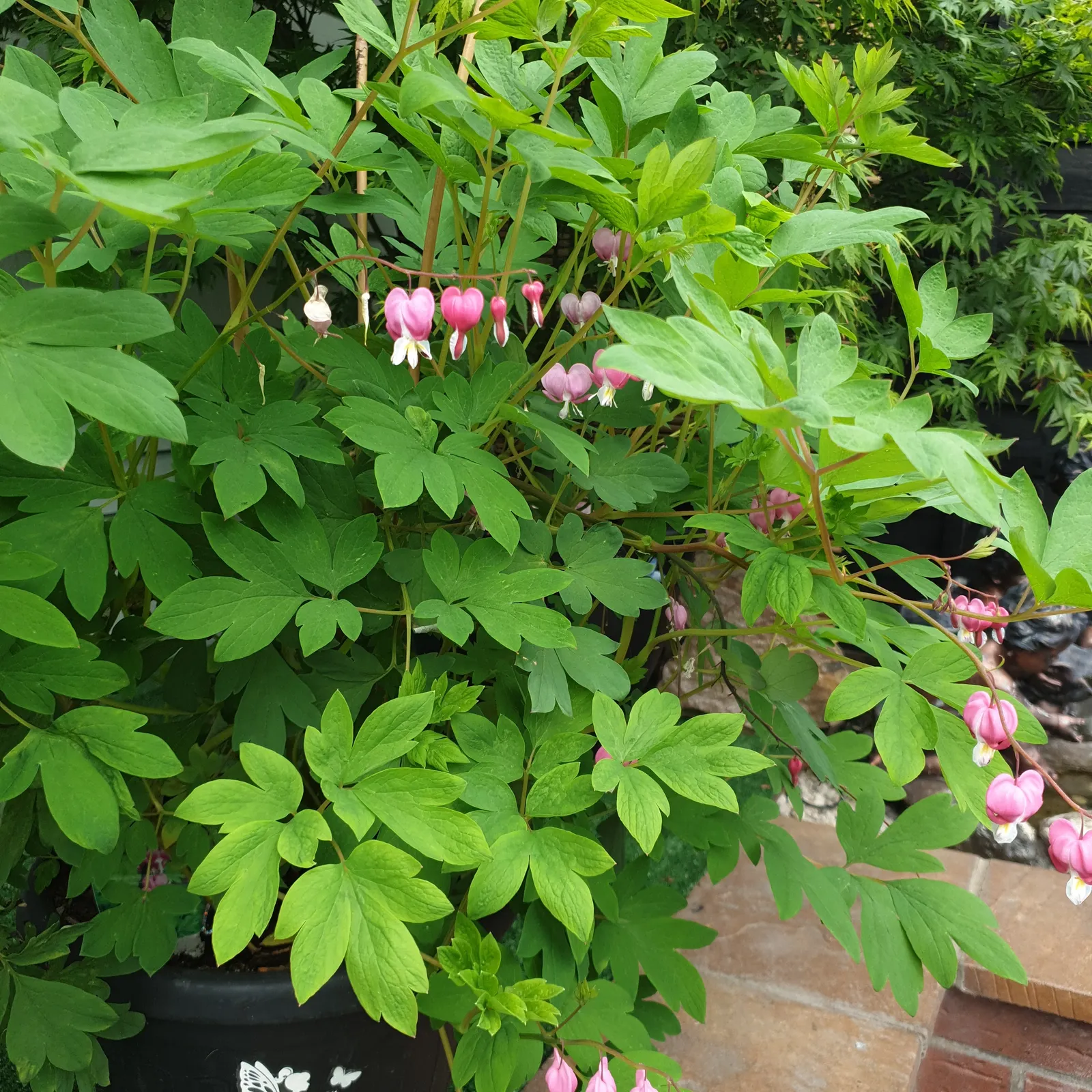
The Bleeding Heart (Lamprocapnos spectabilis) is a captivating perennial with unique, heart-shaped flowers that dangle gracefully from arching stems. This enchanting plant adds a touch of romance and elegance to any garden, making it a beloved choice for both novice and experienced gardeners.
Key Features & Benefits
- Stunning Visual Appeal: The delicate, heart-shaped flowers, often in shades of pink and white, create a truly mesmerizing display.
- Low Maintenance: Once established, Bleeding Hearts require minimal care, making them an ideal choice for busy gardeners.
- Shade Tolerance: Thrives in partial shade, making it perfect for gardens with limited sunlight.
- Attracts Pollinators: The nectar-rich flowers attract butterflies, bees, and hummingbirds to your garden.
- Versatile Use: Can be used in borders, woodland gardens, and as a beautiful ground cover.
Plant Care Guide
Ideal Plantation Locations
Bleeding Hearts thrive in cool, moist climates with partial shade. They prefer rich, well-drained soil that is consistently moist but not waterlogged.
Planting & Gardening Instructions
- Location: Choose a location with partial shade, such as under deciduous trees or along the edge of a woodland garden.
- Soil Preparation: Amend the soil with compost or well-rotted manure to improve drainage and fertility.
- Planting: Plant the Bleeding Heart crowns 6-8 inches deep in spring or fall.
- Spacing: Space plants 12-18 inches apart to allow for adequate air circulation.
Watering
Keep the soil consistently moist, especially during dry periods. Water deeply and infrequently to encourage deep root growth.
Fertilizers
Apply a balanced slow-release fertilizer in spring before new growth emerges.
Repotting Instructions
Re-pot in early spring every 2-3 years to refresh the soil and encourage vigorous growth. Use a well-draining potting mix.
Fruiting Season
Bleeding Hearts typically bloom in late spring and early summer.
Usage Ideas
- Plant in borders or along pathways.
- Create a stunning display in woodland gardens.
- Use as a ground cover in shady areas.
- Combine with other shade-loving plants like ferns and hostas.
Care Tips
- Remove spent flowers to encourage continuous blooming.
- Divide the plant every 3-4 years to rejuvenate and prevent overcrowding.
- Protect from strong winds and harsh winter conditions with a layer of mulch.
Original: $1.56
-65%$1.56
$0.55Product Information
Product Information
Shipping & Returns
Shipping & Returns
Description
The Bleeding Heart (Lamprocapnos spectabilis) is a captivating perennial with unique, heart-shaped flowers that dangle gracefully from arching stems. This enchanting plant adds a touch of romance and elegance to any garden, making it a beloved choice for both novice and experienced gardeners.
Key Features & Benefits
- Stunning Visual Appeal: The delicate, heart-shaped flowers, often in shades of pink and white, create a truly mesmerizing display.
- Low Maintenance: Once established, Bleeding Hearts require minimal care, making them an ideal choice for busy gardeners.
- Shade Tolerance: Thrives in partial shade, making it perfect for gardens with limited sunlight.
- Attracts Pollinators: The nectar-rich flowers attract butterflies, bees, and hummingbirds to your garden.
- Versatile Use: Can be used in borders, woodland gardens, and as a beautiful ground cover.
Plant Care Guide
Ideal Plantation Locations
Bleeding Hearts thrive in cool, moist climates with partial shade. They prefer rich, well-drained soil that is consistently moist but not waterlogged.
Planting & Gardening Instructions
- Location: Choose a location with partial shade, such as under deciduous trees or along the edge of a woodland garden.
- Soil Preparation: Amend the soil with compost or well-rotted manure to improve drainage and fertility.
- Planting: Plant the Bleeding Heart crowns 6-8 inches deep in spring or fall.
- Spacing: Space plants 12-18 inches apart to allow for adequate air circulation.
Watering
Keep the soil consistently moist, especially during dry periods. Water deeply and infrequently to encourage deep root growth.
Fertilizers
Apply a balanced slow-release fertilizer in spring before new growth emerges.
Repotting Instructions
Re-pot in early spring every 2-3 years to refresh the soil and encourage vigorous growth. Use a well-draining potting mix.
Fruiting Season
Bleeding Hearts typically bloom in late spring and early summer.
Usage Ideas
- Plant in borders or along pathways.
- Create a stunning display in woodland gardens.
- Use as a ground cover in shady areas.
- Combine with other shade-loving plants like ferns and hostas.
Care Tips
- Remove spent flowers to encourage continuous blooming.
- Divide the plant every 3-4 years to rejuvenate and prevent overcrowding.
- Protect from strong winds and harsh winter conditions with a layer of mulch.