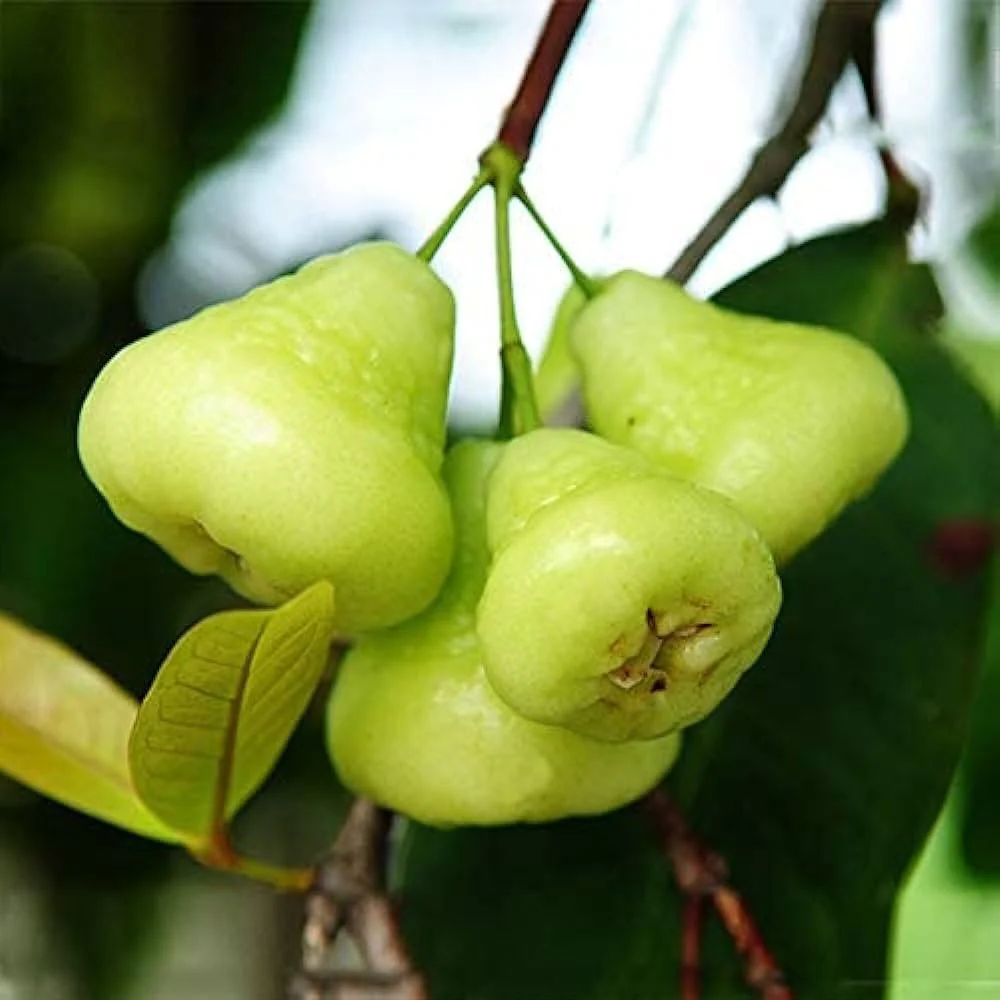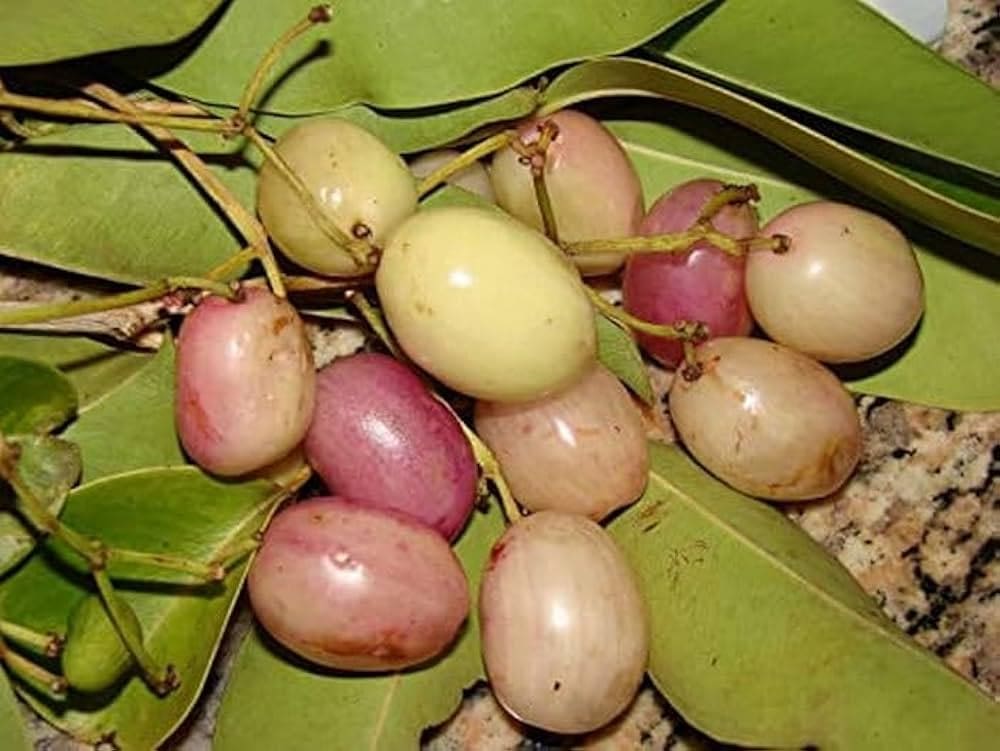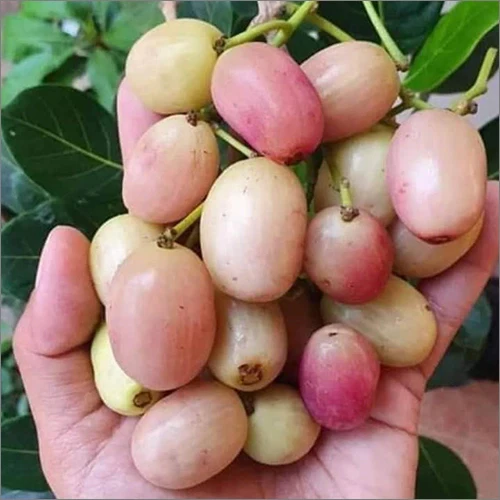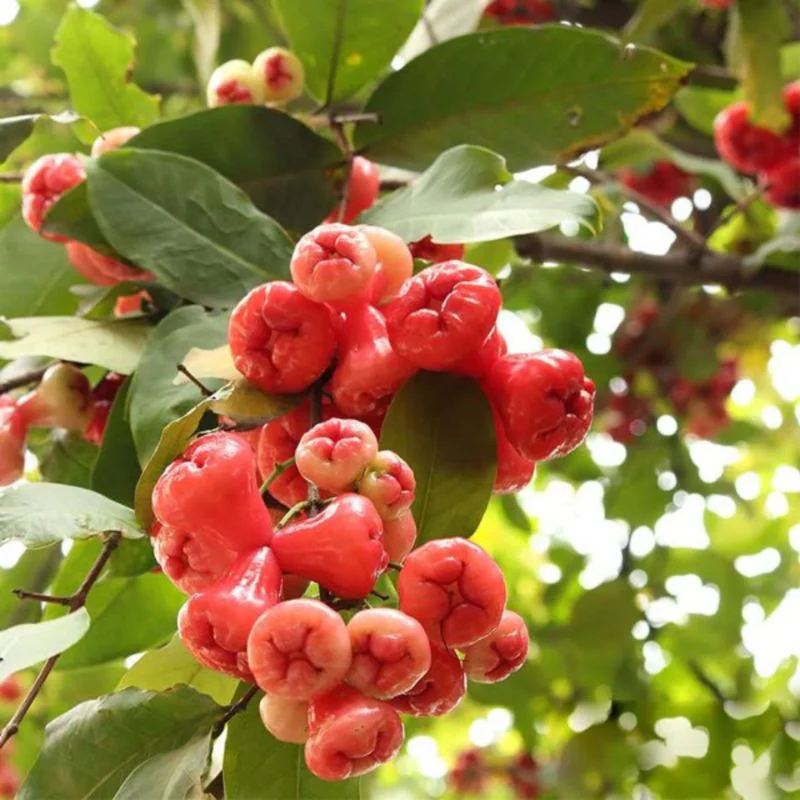
Big Anjeer
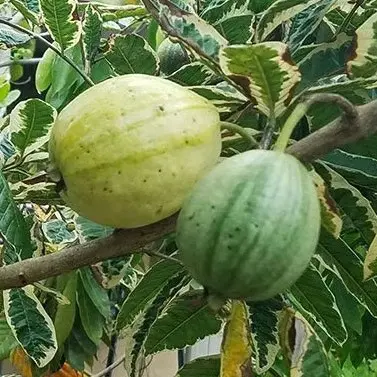
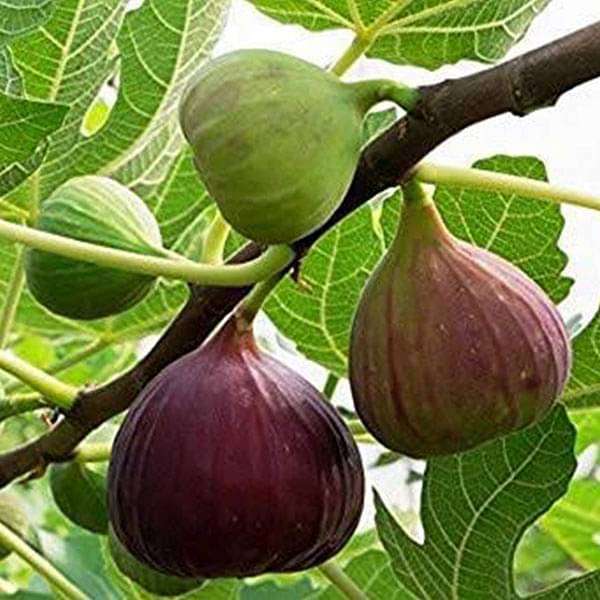
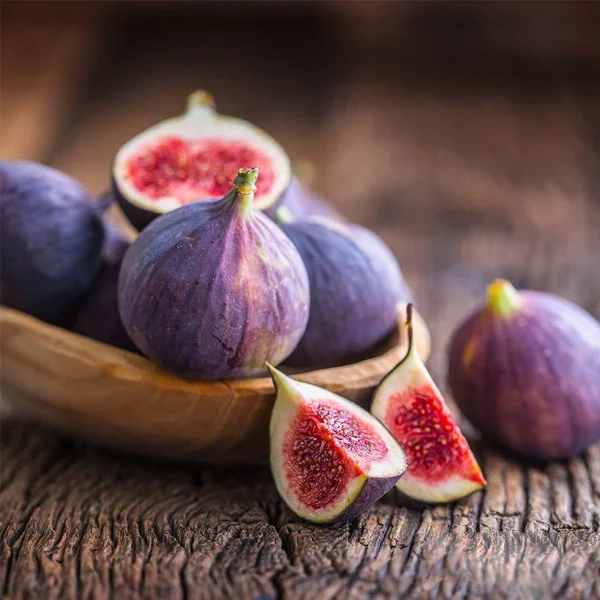
The Big Anjeer, also known as the Common Fig or Ficus carica, is a deciduous tree renowned for its sweet and flavorful fruits. This versatile plant offers a unique blend of ornamental beauty and delicious produce, making it a popular choice for home gardens, orchards, and even container gardening.
Key Features & Benefits
- Delicious Fruit: Produces abundant crops of large, sweet figs with a unique flavor profile.
- Ornamental Value: Features attractive, lobed leaves and a spreading growth habit, adding visual interest to any landscape.
- Drought Tolerance: Once established, the Big Anjeer is relatively drought-tolerant, making it suitable for various climates.
- Versatile Uses: Figs can be eaten fresh, dried, or used in various culinary creations like jams, preserves, and baked goods.
- Easy to Grow: Generally easy to cultivate with proper care, making it suitable for both experienced and novice gardeners.
Plant Care Guide
Ideal Plantation Locations
- Climate: Thrives in warm climates with full sun exposure. Tolerates moderate frost but may experience reduced fruit production in colder regions.
- Soil: Prefers well-drained, fertile soil with a slightly acidic to neutral pH.
- Regions: Suitable for Mediterranean climates, USDA hardiness zones 5-9.
Planting & Gardening Instructions
- Location: Select a sunny location with at least 6-8 hours of direct sunlight per day.
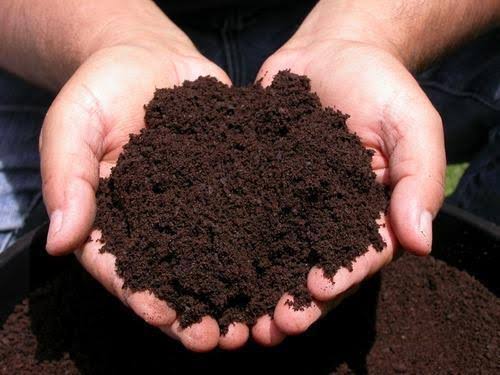
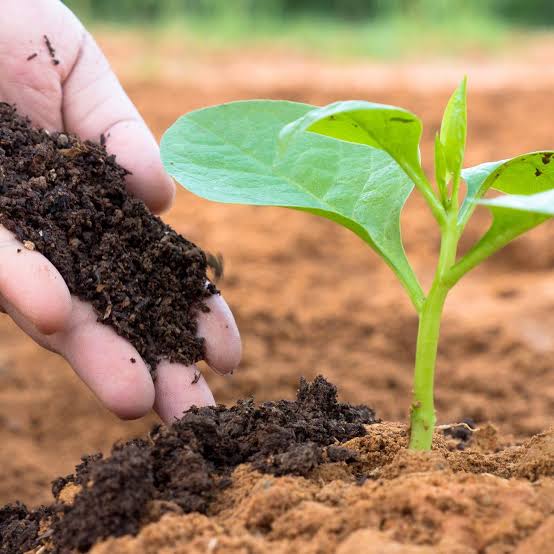
- Soil Preparation: Amend the soil with organic matter like compost to improve drainage and fertility.
- Planting: Plant the Big Anjeer in spring after the last frost. Dig a hole twice as wide as the root ball and plant at the same depth as it was growing in the container.
- Spacing: Space trees 15-20 feet apart to allow for adequate growth and air circulation.
Watering
- Frequency: Water deeply and regularly during the first growing season to establish a strong root system. Reduce watering frequency as the tree matures, allowing the soil to dry slightly between waterings.
- Techniques: Water deeply at the base of the tree to avoid wetting the foliage, which can increase the risk of fungal diseases.
Fertilizers
- Types: Use a balanced fertilizer (e.g., 10-10-10) in spring before new growth begins.
- Ratios: Apply fertilizer according to package directions, typically around 1-2 pounds per tree.
- Schedules: Fertilize young trees annually and mature trees every other year.
Repotting Instructions
- Frequency: Re-pot young trees annually in the spring to a larger container. Mature trees may not require frequent repotting.
- Materials: Use well-draining potting mix.
- Process: Gently remove the tree from the old container, loosen the roots, and place it in a new container with fresh potting mix.
Fruiting Season
- Time Frame: Typically fruits in late summer or early fall.
- Peak Production: Peak production occurs within a few years after planting, depending on the variety and growing conditions.
Usage Ideas
- Fresh Consumption: Enjoy ripe figs straight from the tree.
- Drying: Dry figs for long-term storage and a concentrated flavor.
- Culinary Uses: Use figs in jams, preserves, baked goods, salads, and more.
- Ornamental: Plant as a shade tree or ornamental specimen in the landscape.
Care Tips
- Pest Control: Monitor for common pests like fig wasps and scale insects. Use appropriate pest control methods as needed.
- Pruning: Prune lightly in late winter or early spring to remove dead or damaged wood and shape the tree.
-
Mulching: Apply a layer of organic mulch around the base of the tree to conserve moisture, suppress weeds, and regulate soil temperature.
$0.69
Original: $1.98
-65%Big Anjeer—
$1.98
$0.69Product Information
Product Information
Shipping & Returns
Shipping & Returns
Description
The Big Anjeer, also known as the Common Fig or Ficus carica, is a deciduous tree renowned for its sweet and flavorful fruits. This versatile plant offers a unique blend of ornamental beauty and delicious produce, making it a popular choice for home gardens, orchards, and even container gardening.
Key Features & Benefits
- Delicious Fruit: Produces abundant crops of large, sweet figs with a unique flavor profile.
- Ornamental Value: Features attractive, lobed leaves and a spreading growth habit, adding visual interest to any landscape.
- Drought Tolerance: Once established, the Big Anjeer is relatively drought-tolerant, making it suitable for various climates.
- Versatile Uses: Figs can be eaten fresh, dried, or used in various culinary creations like jams, preserves, and baked goods.
- Easy to Grow: Generally easy to cultivate with proper care, making it suitable for both experienced and novice gardeners.
Plant Care Guide
Ideal Plantation Locations
- Climate: Thrives in warm climates with full sun exposure. Tolerates moderate frost but may experience reduced fruit production in colder regions.
- Soil: Prefers well-drained, fertile soil with a slightly acidic to neutral pH.
- Regions: Suitable for Mediterranean climates, USDA hardiness zones 5-9.
Planting & Gardening Instructions
- Location: Select a sunny location with at least 6-8 hours of direct sunlight per day.
- Soil Preparation: Amend the soil with organic matter like compost to improve drainage and fertility.
- Planting: Plant the Big Anjeer in spring after the last frost. Dig a hole twice as wide as the root ball and plant at the same depth as it was growing in the container.
- Spacing: Space trees 15-20 feet apart to allow for adequate growth and air circulation.
Watering
- Frequency: Water deeply and regularly during the first growing season to establish a strong root system. Reduce watering frequency as the tree matures, allowing the soil to dry slightly between waterings.
- Techniques: Water deeply at the base of the tree to avoid wetting the foliage, which can increase the risk of fungal diseases.
Fertilizers
- Types: Use a balanced fertilizer (e.g., 10-10-10) in spring before new growth begins.
- Ratios: Apply fertilizer according to package directions, typically around 1-2 pounds per tree.
- Schedules: Fertilize young trees annually and mature trees every other year.
Repotting Instructions
- Frequency: Re-pot young trees annually in the spring to a larger container. Mature trees may not require frequent repotting.
- Materials: Use well-draining potting mix.
- Process: Gently remove the tree from the old container, loosen the roots, and place it in a new container with fresh potting mix.
Fruiting Season
- Time Frame: Typically fruits in late summer or early fall.
- Peak Production: Peak production occurs within a few years after planting, depending on the variety and growing conditions.
Usage Ideas
- Fresh Consumption: Enjoy ripe figs straight from the tree.
- Drying: Dry figs for long-term storage and a concentrated flavor.
- Culinary Uses: Use figs in jams, preserves, baked goods, salads, and more.
- Ornamental: Plant as a shade tree or ornamental specimen in the landscape.
Care Tips
- Pest Control: Monitor for common pests like fig wasps and scale insects. Use appropriate pest control methods as needed.
- Pruning: Prune lightly in late winter or early spring to remove dead or damaged wood and shape the tree.
-
Mulching: Apply a layer of organic mulch around the base of the tree to conserve moisture, suppress weeds, and regulate soil temperature.